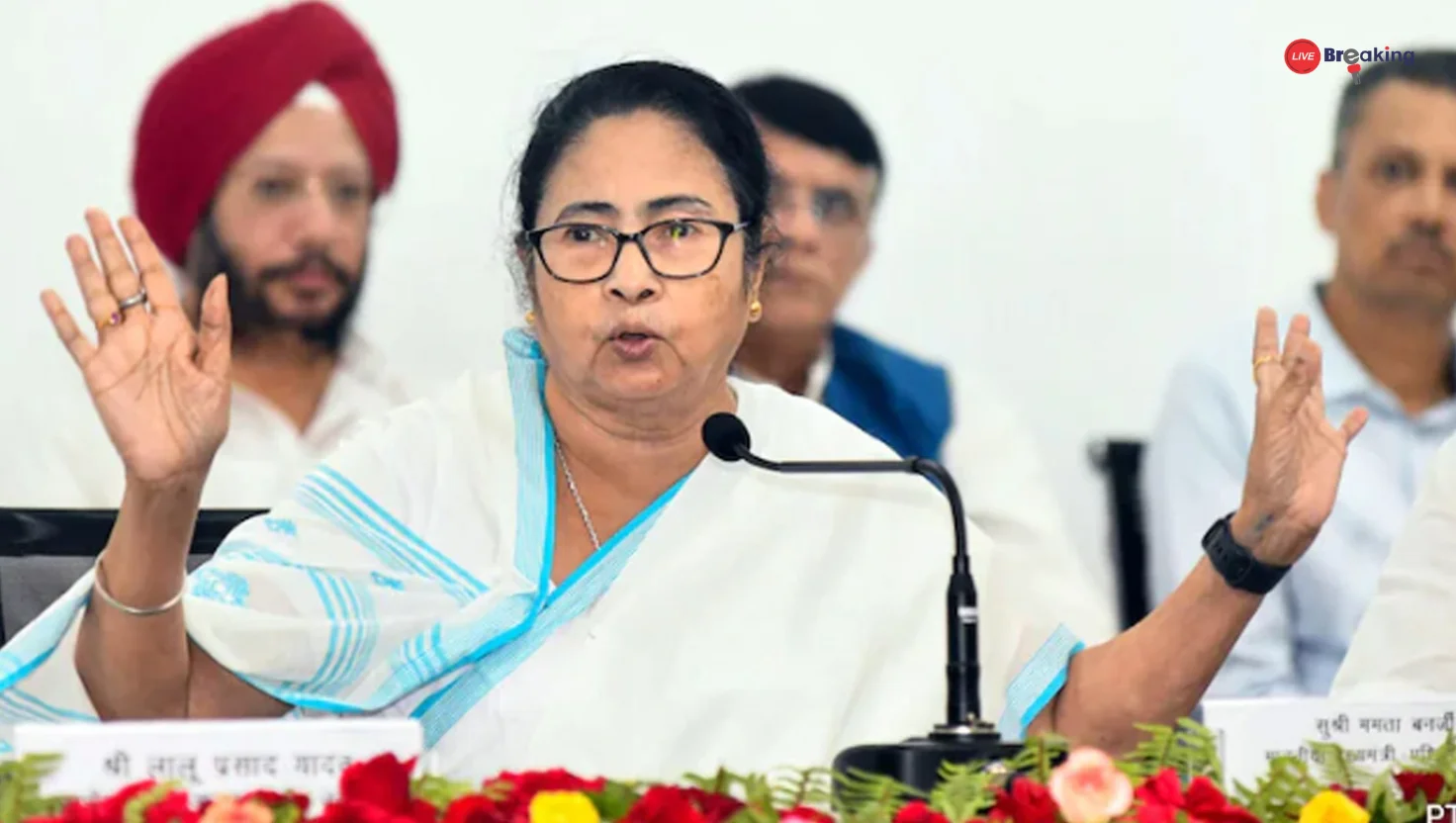
Mamata Banerjee 2026 Endgame: A 226 Target, And Kolkata Dare For Ex-Aide
Mamata Banerjee 2026 Endgame: As West Bengal gears up for the 2026 Assembly elections, the political landscape is already heating up. Chief Minister Mamata Banerjee has unveiled a bold electoral ambition—securing 226 seats out of 294—a target that signals not just confidence but a decisive attempt to consolidate dominance in the state.
At the same time, her decision to once again contest from Bhabanipur in Kolkata adds a layer of symbolic and strategic importance to the upcoming elections.
The 226-Seat Target: Strategy or Statement?
Mamata Banerjee’s declaration of aiming for 226 seats is not just a number—it’s a political message.
Key Implications:
-
Dominance Goal: Crossing 200 seats would solidify Trinamool Congress (TMC)’s near-total control.
-
Opposition Marginalization: It aims to significantly weaken the BJP and other parties in the state.
-
National Signaling: A landslide victory could position Mamata Banerjee as a stronger national opposition leader.
This ambitious figure also reflects confidence built on past victories, especially after the 2021 elections where TMC secured a comfortable majority.
Bhabanipur: The Symbolic Battlefield
Bhabanipur is not just another constituency—it’s Mamata Banerjee’s political stronghold. Her decision to contest from here again indicates:
-
Emotional Connect with Voters
-
Strategic Security Seat
-
High Visibility Battle
However, the twist in the story is the potential challenge from Suvendu Adhikari—once a trusted aide, now a fierce political rival.
From Ally to Rival: Mamata vs Suvendu
The political rivalry between Mamata Banerjee and Suvendu Adhikari has become one of the most dramatic narratives in West Bengal politics.
| Factor | Mamata Banerjee | Suvendu Adhikari |
|---|---|---|
| Political Base | Grassroots, rural + urban | Strong BJP backing |
| Image | Welfare-driven leader | Aggressive opposition face |
| Strength | Loyal voter base | Polarized support |
| Strategy | Development + welfare | Anti-incumbency + nationalism |
Suvendu Adhikari’s challenge is not just electoral—it is deeply personal and symbolic, given his past association with TMC.
Electoral Strategy Breakdown
1. Welfare Politics
Mamata Banerjee is expected to double down on schemes like:
-
Lakshmir Bhandar
-
Kanyashree
-
Swasthya Sathi
These have historically strengthened her voter base, especially among women and rural communities.
Read more: Supreme Court Rejects Menstrual Leave Plea in India: Concerns Over Women’s Employment
2. Bengali Identity Narrative
TMC is likely to revive the “Bengali pride” narrative to counter BJP’s nationalistic messaging.
3. Booth-Level Strengthening
Grassroots organization remains TMC’s strongest asset, and efforts are already underway to tighten booth management.
4. Urban vs Rural Balance
While rural support is strong, urban seats—especially in Kolkata—will be critical in achieving the 226 target.
Why Kolkata Matters More Than Ever
Kolkata is not just the capital—it is the political nerve center of West Bengal.
-
Media visibility is highest here
-
Swing voters influence narrative
-
Symbolic victories carry national weight
Winning Bhabanipur convincingly would reinforce Mamata Banerjee’s authority and send a strong message across India.
Challenges Ahead
Despite confidence, several hurdles remain:
Anti-Incumbency
After multiple terms, voter fatigue could emerge.
BJP’s Aggressive Campaign
The BJP is expected to intensify its campaign, especially targeting urban voters.
Read More: Iran War Triggers LPG Shortage in India: Restaurants Turn to Wood and Coal
Internal Party Dynamics
Managing internal dissent within TMC will be crucial.
National Political Climate
Central politics and alliances could influence voter sentiment in the state.
What This Means for 2026 Elections
The 2026 West Bengal elections are shaping up to be more than just a state contest:
-
A test of Mamata Banerjee’s long-term dominance
-
A battle for BJP’s expansion in eastern India
-
A potential launchpad for national leadership ambitions
If Mamata achieves her 226-seat target, it could redefine opposition politics at the national level.
FAQs
1. Why is Mamata Banerjee targeting 226 seats?
She aims to secure a decisive mandate that ensures political stability and strengthens her national standing.
2. Why is Bhabanipur important?
Bhabanipur is Mamata Banerjee’s stronghold and carries symbolic value, making it a high-profile electoral battleground.
3. Who is Suvendu Adhikari?
Suvendu Adhikari is a former TMC नेता turned BJP leader and one of Mamata Banerjee’s strongest political rivals.
4. What are the key issues in the 2026 elections?
Welfare schemes, governance, identity politics, and anti-incumbency are expected to dominate.
Read more: How Mossad Spies & Hacked Traffic Cameras Led to Khamenei Assassination – Deep Intel Report
5. Can Mamata Banerjee achieve the 226-seat target?
While challenging, her strong grassroots network and past performance make it a realistic, though ambitious, goal.
Conclusion
Mamata Banerjee’s 2026 strategy is a mix of ambition, symbolism, and calculated political moves. By setting a 226-seat target and choosing Bhabanipur as her battleground, she is not just contesting an election—she is shaping a narrative of dominance and resilience.
The clash with Suvendu Adhikari adds drama, intensity, and unpredictability to the elections, making it one of the most anticipated political contests in India.
As the countdown to 2026 begins, all eyes will remain on West Bengal—where strategy, legacy, and rivalry will collide in a defining electoral showdown.