Why Ghee is a Superfood for Postpartum Recovery: A Timeless Ayurvedic Secret for New Mothers
The arrival of a newborn brings immense happiness, but the journey of motherhood also places significant physical and emotional demands on a woman’s body. From recovering after childbirth to adjusting to breastfeeding, managing sleep deprivation and coping with hormonal changes, the postpartum period requires special attention to nutrition and overall well-being.
In Indian households, traditional postpartum diets have long included ghee as an important ingredient. Whether added to warm dal, khichdi, rotis or homemade panjiri and gond ke laddoos, ghee has traditionally been associated with nourishment and strength for new mothers.
Rooted in Ayurveda, this golden ingredient is often considered a valuable part of the recovery diet. But what makes ghee special, and does it really offer benefits during the postpartum period?
While ghee can provide energy and contribute to dietary fat intake, it is important to understand its nutritional role without assuming that it can independently accelerate healing, balance hormones or increase breast milk production.
Here is a closer look at the traditional significance and nutritional value of ghee for new mothers.
What Is Ghee and Why Is It Included in Traditional Postpartum Diets?
Ghee is a form of clarified butter prepared by heating butter to separate its water content and milk solids, leaving behind concentrated milk fat. It is widely used in Indian cooking and has an important place in traditional Ayurvedic food practices.
In Ayurveda, ghee is regarded as a nourishing food and is traditionally associated with supporting strength, digestion and overall nourishment.
From a nutritional perspective, ghee primarily provides fat, which is an important source of energy. It also contains small amounts of fat-soluble vitamins, depending on its preparation and source.
For mothers recovering after delivery, ghee can make meals more energy-dense and improve their taste and texture. However, it should complement a balanced diet rather than replace essential nutrients from fruits, vegetables, whole grains, pulses and protein-rich foods.
1. Provides Energy During the Postpartum Period
Childbirth and the initial weeks of motherhood can be physically exhausting. The body needs energy to recover, support daily activities and, for breastfeeding mothers, meet the additional nutritional demands of lactation.
Ghee is calorie-dense and provides approximately nine calories per gram of fat. Adding a modest quantity to meals can increase their energy content.
For mothers who have reduced appetites or are adjusting to new feeding schedules, incorporating small amounts of ghee into familiar meals may make food more satisfying.
However, energy requirements differ from person to person. Ghee should be included according to individual dietary needs rather than consumed excessively in the belief that more fat automatically means faster recovery.
2. Supports the Absorption of Fat-Soluble Vitamins
One nutritional advantage of dietary fats is their role in helping the body absorb fat-soluble vitamins.
Vitamins A, D, E and K require dietary fat for proper absorption. These nutrients contribute to several important bodily functions, including immune function, bone health, vision and normal blood clotting.
Including a moderate amount of fat in meals can therefore support the absorption of these vitamins from the overall diet.
Ghee can contribute dietary fat, but it should not be considered a complete source of these vitamins or a substitute for nutrient-rich foods and supplements prescribed by a healthcare professional.
3. Holds an Important Place in Ayurvedic Postpartum Care
Traditional Indian postpartum care often places emphasis on warm, freshly prepared meals, nourishing ingredients and adequate rest.
In Ayurveda, the postpartum period is traditionally associated with an increase in Vata dosha. Ghee is considered a nourishing food that helps counterbalance this state.
Many families incorporate ghee into traditional preparations such as panjiri, methi laddoos, gond ke laddoos and warm khichdi.
These foods are valued for their cultural significance and energy content. They also reflect the traditional practice of providing new mothers with familiar, comforting meals during recovery.
Read more: Best Ayurvedic Remedies for Menstrual Pain Relief
Although Ayurvedic traditions offer an important cultural perspective, claims about specific healing effects should be distinguished from benefits established through modern clinical research.
4. Can Ghee Help With Breastfeeding and Milk Production?
Breastfeeding requires additional energy and nutrients, making adequate maternal nutrition particularly important.
Dietary fat is a normal component of breast milk, and the types of fats in a mother’s diet can influence its fatty acid composition.
However, consuming more ghee does not automatically increase breast milk production or guarantee better milk quality.
Milk supply is influenced by several factors, including effective and frequent breastfeeding or milk expression, maternal health and the baby’s feeding patterns.
New mothers should focus on eating a varied diet containing healthy fats, proteins, whole grains, fruits and vegetables while staying adequately hydrated.
If milk supply is a concern, consulting a lactation specialist or healthcare professional is more helpful than relying on ghee or any single food.
5. May Make Traditional Meals More Satisfying
The postpartum period can involve irregular eating schedules, especially when mothers are caring for newborns around the clock.
Adding a small amount of ghee to dal, rice, roti or khichdi can improve flavour and make meals more satisfying.
Traditional Indian preparations also combine ghee with ingredients such as nuts, seeds, whole grains and edible gum.
When prepared thoughtfully, these foods can contribute energy and a variety of nutrients to the diet.
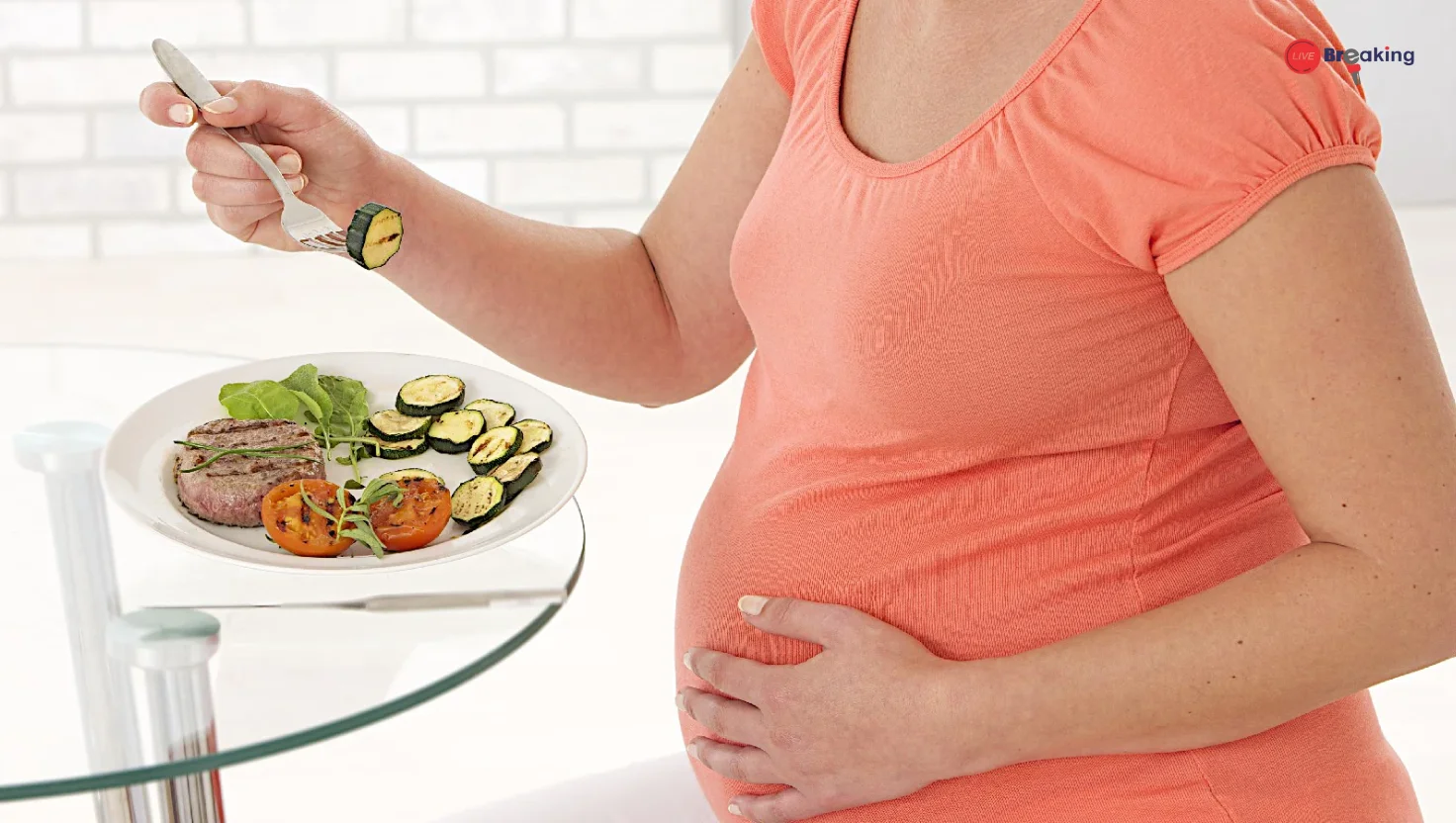
Read More: What Pregnant Women Should and Shouldn’t Eat in Winter, Healthy Winter Pregnancy Diet
Nevertheless, the nutritional value of a dish depends on all its ingredients. Laddoos containing substantial amounts of sugar and ghee should be enjoyed in moderation rather than treated as essential recovery foods.
6. Supports a Balanced Approach to Postpartum Nutrition
Recovery after childbirth requires more than adding one ingredient to the diet. New mothers need a combination of nutrients to support tissue recovery, energy levels, digestion and general health.
A balanced postpartum diet can include:
- Protein: Dal, paneer, eggs, fish, chicken, yoghurt and beans.
- Iron: Green leafy vegetables, pulses, beans and iron-rich foods recommended by a healthcare professional.
- Calcium: Milk, curd, paneer, fortified alternatives and suitable calcium-rich foods.
- Fibre: Fruits, vegetables, oats, whole grains and legumes.
- Healthy fats: Nuts, seeds, avocados and appropriate quantities of unsaturated vegetable oils.
- Hydration: Water and other suitable fluids throughout the day.
Ghee can be included as one component of this dietary pattern, but it should not become the primary source of dietary fat.
How Can New Mothers Include Ghee in Their Daily Diet?
There are several simple ways to incorporate ghee into familiar Indian meals without making the diet excessively rich.
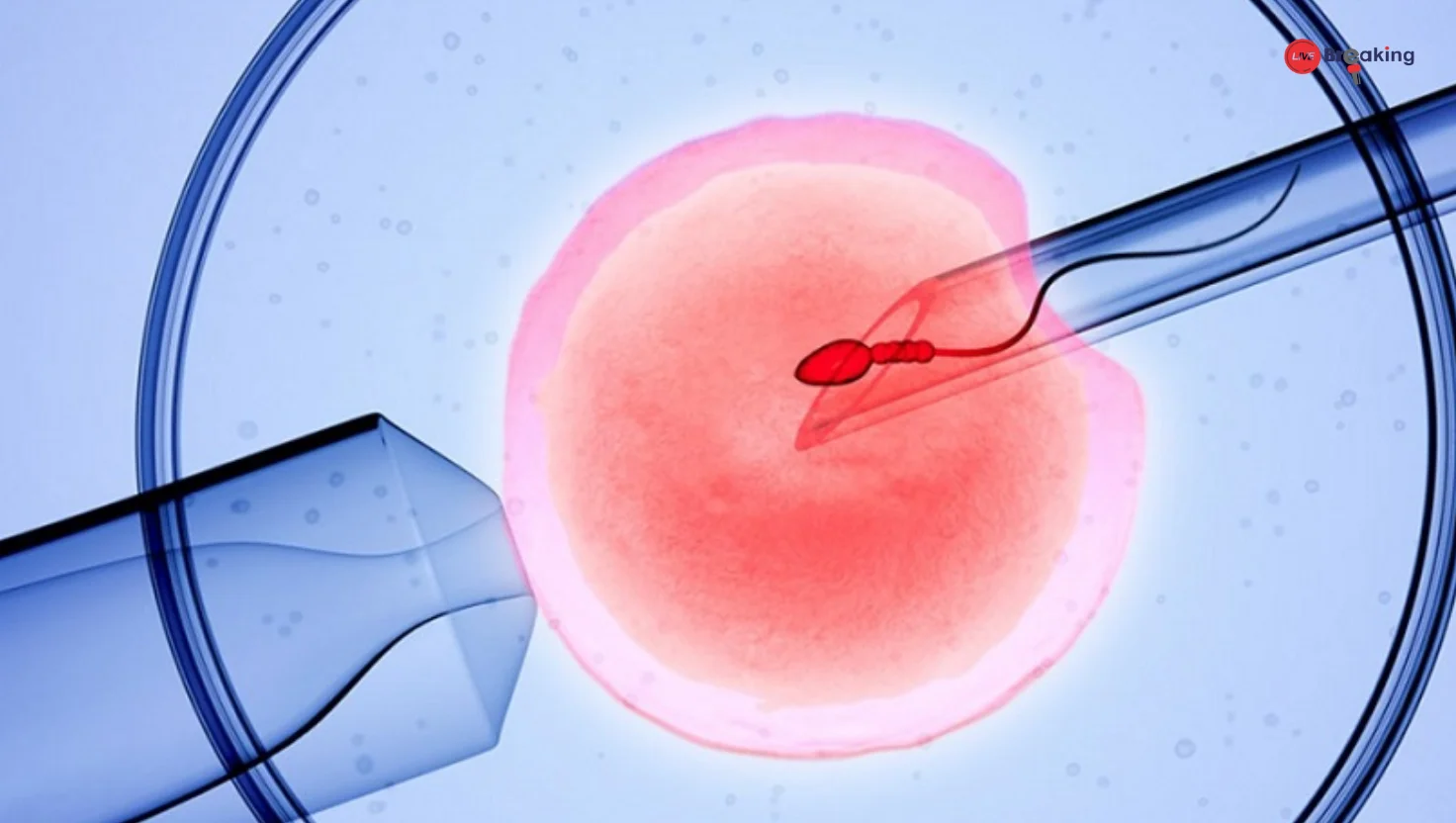
Read more: Understanding IVF Treatment, Costs and How to Choose the Right IVF Centre
Some commonly used options include:
- Adding a small amount of ghee to freshly prepared dal or khichdi.
- Using it in moderation while preparing homemade rotis.
- Including traditional panjiri or laddoos occasionally as part of a balanced diet.
- Adding a little ghee to cooked vegetables or rice for flavour.
- Using it in homemade meals instead of relying on heavily processed or deep-fried foods.
There is no universally recommended postpartum ghee dosage. The appropriate amount depends on total calorie intake, health conditions, other sources of saturated fat and individual nutritional requirements.
Is Eating Ghee After Delivery Safe for Every Mother?
Although ghee is a familiar ingredient in Indian kitchens, it is not necessarily suitable in unlimited quantities.
Ghee is relatively high in saturated fat. The World Health Organization recommends limiting saturated fat and prioritising unsaturated fats from sources such as nuts, seeds and vegetable oils.
Mothers with high cholesterol, cardiovascular risk factors, diabetes or other medical conditions may need individual dietary advice.
Women recovering from a C-section should also follow their medical team’s advice regarding their diet and recovery.
It is equally important to remember that postpartum recovery is not determined by food alone. Rest, emotional support, medical follow-ups and appropriate physical recovery all play important roles.
The Bottom Line: Ghee Can Be Part of a Nourishing Postpartum Diet
Ghee has a longstanding place in Indian food culture and Ayurvedic postpartum traditions. Its energy content and ability to contribute dietary fat explain why it is commonly included in meals prepared for new mothers.
Read More: Sister Nivedita: The Irish Woman Who Dedicated Her Life to India
However, it is not a miracle food that independently heals childbirth-related injuries, balances postpartum hormones or increases breast milk production.
The best approach is to enjoy ghee in moderation as part of a varied and nutrient-rich diet. Combining traditional foods with evidence-based nutritional guidance can help mothers make informed choices during one of the most important stages of their lives.
After all, postpartum care should focus not only on the newborn but also on ensuring that the mother receives the nourishment, rest and support she needs.
Nutritional Comparison: Ghee and Other Dietary Fat Sources
| Food source | Main nutritional contribution | How it fits into postpartum nutrition |
|---|---|---|
| Ghee | Energy and saturated fat | Use in moderate quantities for cooking |
| Almonds | Unsaturated fats, vitamin E and protein | Useful as part of a balanced snack |
| Walnuts | Unsaturated fats, including omega-3 ALA | Can contribute to dietary fat intake |
| Flaxseeds | Fibre and plant-based omega-3 ALA | Can be added to meals in ground form |
| Olive oil | Predominantly monounsaturated fat | Suitable for everyday cooking |
| Sunflower oil | Predominantly unsaturated fats | Can be used as part of a varied diet |
| Milk and curd | Protein and calcium | Support overall nutritional requirements |
Frequently Asked Questions (FAQs)
1. Is ghee good for postpartum recovery?
Ghee can be included in a postpartum diet because it provides energy and dietary fat. It is also traditionally used in Indian postpartum meals. However, it does not independently speed up healing, and it should be consumed in moderation alongside a balanced diet.
2. Can new mothers eat ghee after a C-section?
Many women can include moderate quantities of ghee in their diet after a C-section once they are able to eat normally. However, individual recovery, digestive tolerance and medical advice should guide dietary choices.
Read More: The Most Prominent Women CEOs in India
3. Does ghee increase breast milk production?
There is no strong clinical evidence that eating ghee directly increases breast milk production. Milk supply is more closely associated with effective and frequent milk removal, maternal health and breastfeeding support.
4. How much ghee should a new mother eat daily?
There is no universally established daily quantity of ghee for postpartum women. Intake should depend on overall dietary requirements, health conditions and other sources of saturated fat. A registered dietitian can provide personalised guidance.
5. Does ghee help balance hormones after childbirth?
Ghee provides dietary fat, which is essential for normal bodily functions. However, there is insufficient clinical evidence that consuming ghee specifically balances postpartum hormones or treats hormonal changes after delivery.
6. Can ghee help with postpartum constipation?
Ghee is not an established treatment for postpartum constipation. Adequate hydration, fibre-rich foods, gentle movement when medically appropriate and medical advice can help manage constipation.
7. Which foods should new mothers eat along with ghee?
New mothers should include protein-rich foods, whole grains, fruits, vegetables, pulses, dairy or suitable alternatives, nuts and seeds. A varied diet provides nutrients that ghee alone cannot supply.