Airlines In India Work On A-320 Fix After EU Agency’s Critical Alert
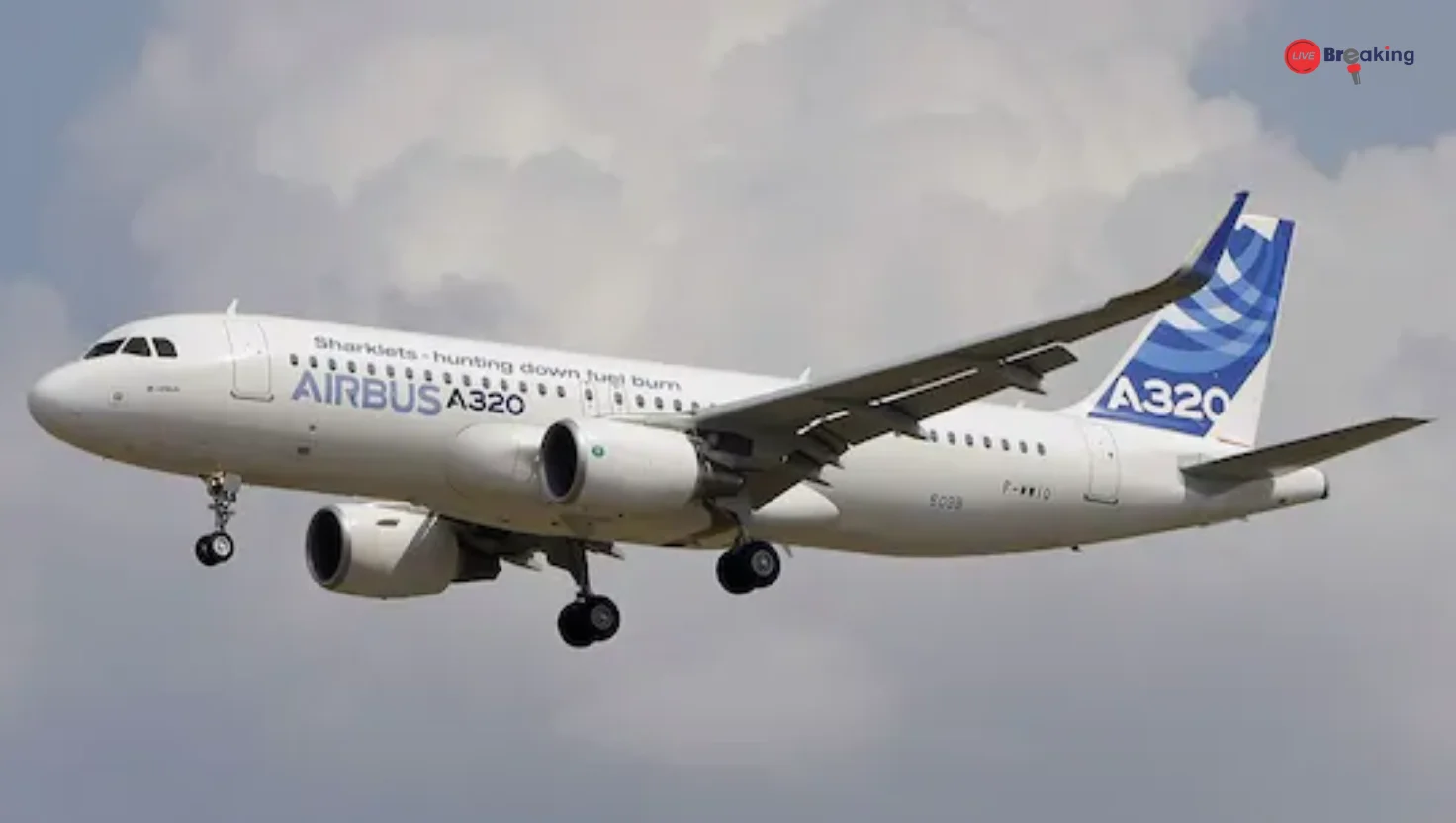
The Indian aviation sector has swung into action after a critical alert from a leading European aviation authority regarding a potential issue affecting Airbus A-320 aircraft. With the A-320 family forming the backbone of several Indian carriers’ fleets, the advisory has prompted a swift response to ensure passenger safety, operational stability, and regulatory compliance.
A-320 Advisory Triggers Immediate Action
Indian airlines, including major low-cost and full-service carriers, rely heavily on the Airbus A-320 and its newer variants for domestic and short-haul international routes. Following the alert issued by the European regulatory agency, airlines in India have begun comprehensive inspections to detect any technical anomalies associated with the identified component.
The advisory reportedly pertains to a specific system that, if left unchecked, could potentially affect aircraft performance under certain conditions. While no incidents have been reported in India so far, the alert has been taken with utmost seriousness. Airlines have pledged to follow all recommended procedures and adopt corrective measures within the prescribed timelines.
Maintenance Teams on High Alert
Aircraft maintenance engineering teams across the country have been put on accelerated schedules. Detailed technical checks, component replacements, and software updates have been initiated to comply with the advisory. Airports in Delhi, Mumbai, Bengaluru, and Hyderabad—where major maintenance bases are located—have witnessed a surge in overnight engineering activity.
Airlines are also in close coordination with Airbus technical experts to monitor progress and ensure that repairs and upgrades meet the highest safety standards. Some carriers may temporarily adjust flight schedules or deploy alternative aircraft models to accommodate maintenance requirements.
Passenger Safety Remains Top Priority
While the technical issue under scrutiny is considered manageable with timely intervention, airlines have reassured passengers that there is no immediate safety threat. Operational protocols remain robust, and all aircraft will only be deployed after undergoing the mandated inspection and clearance procedures.
Industry analysts have noted that aviation safety protocols are designed to detect and resolve potential risks before they escalate. The rapid response exhibited by Indian carriers reflects the maturity of the sector and its adherence to global safety benchmarks.
Read more: PM Modi Ayodhya Visit: Historic Flag Hoisting Marks a Grand Celebration
Regulatory Oversight Strengthened
The Directorate General of Civil Aviation (DGCA), India’s aviation regulator, has taken cognizance of the EU agency’s alert and has directed all operators using A-320 family aircraft to comply with the required safety checks. The DGCA is also monitoring compliance reports and may conduct random inspections to verify corrective actions.
Regulators and airlines often work collaboratively on such advisories, ensuring that preventive measures are implemented without causing undue disruption to flight operations. Officials have indicated that the timelines set for the inspections are reasonable and should not significantly impact passenger travel.
Global Aviation Industry Responds
This advisory has not only affected India but also airlines operating A-320 aircraft across Europe, Asia, and other regions. International carriers have begun similar checks, reflecting a coordinated global response to aviation safety alerts. The industry’s swift and unified action underlines the importance of preventive maintenance and constant vigilance.
Airbus, meanwhile, has issued technical documentation to guide airlines through the required processes. The aircraft manufacturer maintains that with compliance, the risk associated with the flagged component remains minimal.
Ensuring Fleet Reliability Amid Rapid Growth
India remains one of the world’s fastest-growing aviation markets, with an expanding fleet and rising passenger numbers. The A-320 family has been a crucial element in enabling this growth due to its fuel efficiency, reliability, and suitability for high-frequency routes.
Advisories such as this, though challenging, strengthen the industry’s commitment to safety. They also highlight the importance of robust maintenance infrastructure, qualified engineering personnel, and seamless coordination between regulators, aircraft manufacturers, and airline operators.
Read more: Delhi Blast Triggers Panic After Massive Explosives Cache Found in Faridabad
Looking Ahead: Restoring Normalcy
As inspections progress, Indian carriers are expected to complete the required fixes in the coming weeks. Once the maintenance checks are finalized and certified, the affected aircraft will return to regular operations. Passengers may experience minor scheduling adjustments, but airlines are striving to minimize inconvenience.
The proactive approach by the aviation community ensures that India’s skies remain safe and operationally efficient. With the issue being addressed swiftly and systematically, normalcy is expected to be fully restored without long-term impact.