A Strand of Hair that Changed History: Ajit Doval’s Spy Breakthrough
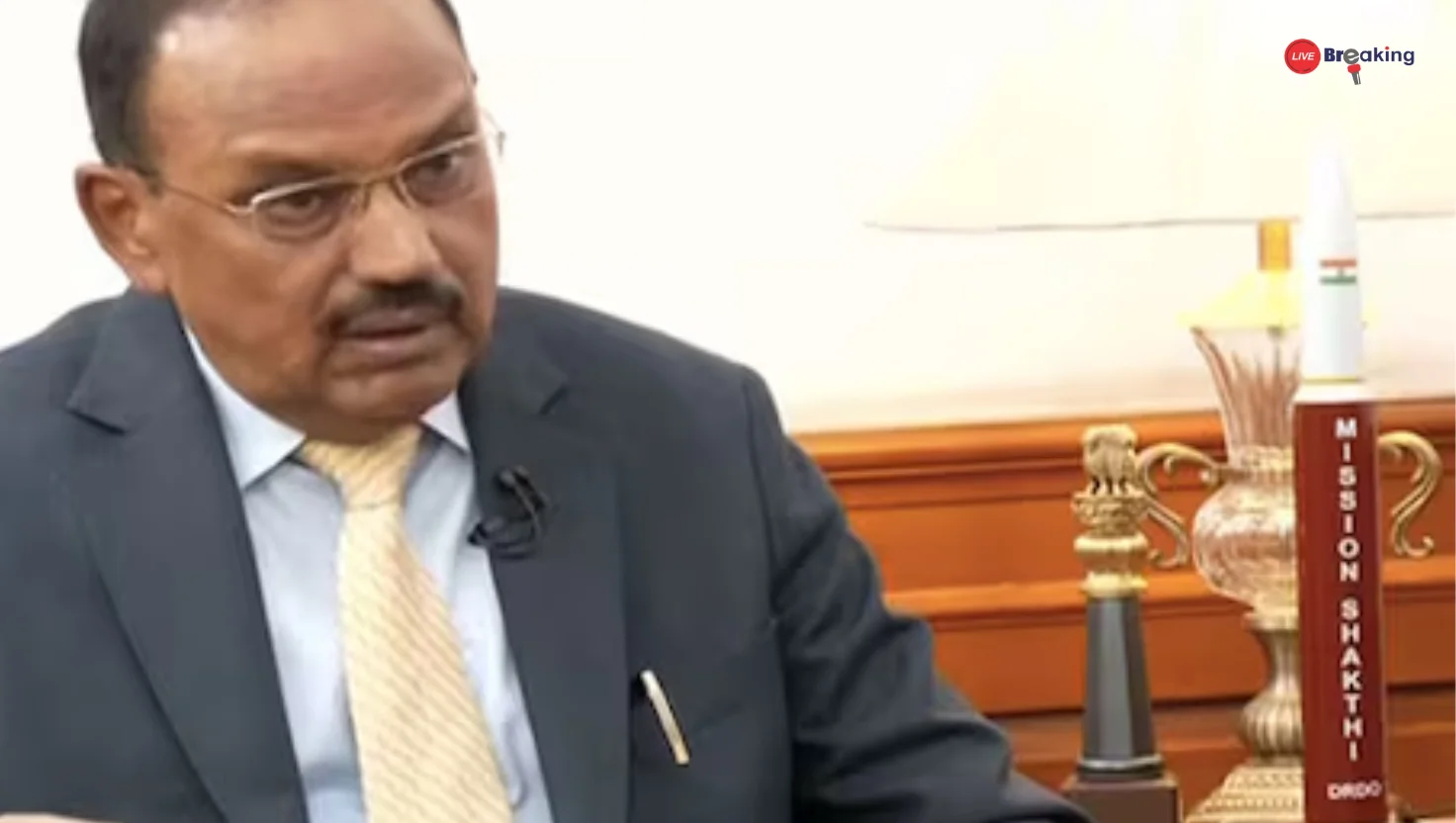
When it comes to intelligence gathering, even the smallest details can turn into the sharpest weapons. In the world of espionage, what appears insignificant to the untrained eye can unravel a nation’s deepest secrets. This was proven by Ajit Doval, India’s National Security Advisor and legendary spymaster, whose sharp instincts once helped uncover Pakistan’s nuclear plans — all from a single strand of hair.
The Early Days of Espionage
Ajit Doval has long been known as India’s most daring intelligence officer, with a career marked by courage, patience, and extraordinary skill. During his time with India’s Intelligence Bureau, he operated in some of the toughest regions — from Pakistan and the Middle East to the insurgency-hit areas of India. His reputation as the “James Bond of India” was not earned overnight; it was built on stories of ingenuity, where unconventional clues often led to groundbreaking intelligence.
Among these stories, one stands out: how a strand of hair became the unlikely key to confirming Pakistan’s nuclear ambitions.
The Context: A Race for Nuclear Power
During the late 20th century, South Asia was embroiled in a tense nuclear rivalry. India had already demonstrated its capabilities, and Pakistan, feeling the pressure, was secretly advancing its own nuclear weapons program. For Indian intelligence, uncovering the scale and speed of this program was critical. The smallest piece of evidence could make the difference between guesswork and certainty.
It was in this environment that Ajit Doval displayed his brilliance — by focusing on a detail so minute that others might have overlooked it.
The Hair That Spoke Volumes
According to accounts within India’s security circles, Doval managed to obtain a sample — a simple strand of hair — linked to an individual working closely with Pakistan’s nuclear program. To an ordinary observer, this would mean nothing. But for an intelligence officer trained to see beyond the obvious, this was a goldmine.
Read more: TikTok may be back in India 5 years after ban: Website opens but app unavailable
Hair carries with it traces of chemicals and isotopes that can reveal exposure to radioactive elements. By analyzing it, scientists could determine whether the person had been working in or around nuclear facilities. This tiny biological clue became the decisive evidence confirming Pakistan’s active pursuit of nuclear weapons.
In the cloak-and-dagger world of espionage, such indirect methods were often the safest way to gather proof without raising alarms. The strand of hair was not just a clue — it was a doorway into Pakistan’s most sensitive secret.
A Masterstroke of Intelligence Craft
Ajit Doval’s ability to turn this overlooked detail into actionable intelligence highlighted his genius. Instead of relying solely on traditional surveillance or risky on-ground operations, he brought scientific analysis into play. The results helped India’s leadership better understand the timeline and seriousness of Pakistan’s nuclear drive, shaping policies and security strategies in the years to come.
What makes the episode even more remarkable is how it demonstrates the philosophy Doval is known for: in intelligence, nothing is too small to matter. A fragment, a whisper, or even a strand of hair can, under the right hands, rewrite the course of history.
Legacy of a Spymaster
This story is just one chapter in Ajit Doval’s long and decorated career. From infiltrating militant groups in the Northeast to spending years undercover in Pakistan, Doval’s methods have always been marked by sharp observation and fearless execution. His hair-raising discovery, quite literally, remains a symbol of how unconventional thinking can outmatch even the most secretive adversaries.
Read more: Everything Matched Body For Body, Gun For Gun: Trump-Putin Alaska Summit
Today, as India’s National Security Advisor, Doval continues to apply the same razor-sharp instincts at the highest levels of decision-making. For him, intelligence is not just about gathering information but about interpreting the invisible threads that connect small details to the bigger picture.
Conclusion: The Power of Small Clues
The story of the strand of hair serves as a reminder that in the world of espionage, size does not determine significance. For Ajit Doval, the smallest clue was enough to expose an adversary’s greatest secret. It is a tale that blends science, strategy, and sheer brilliance — a lesson for future generations of intelligence officers that sometimes, the tiniest trace can safeguard a nation.