‘Conditions on FIRs Against Protesters Unacceptable’: CJP Reacts to Supreme Court Ruling
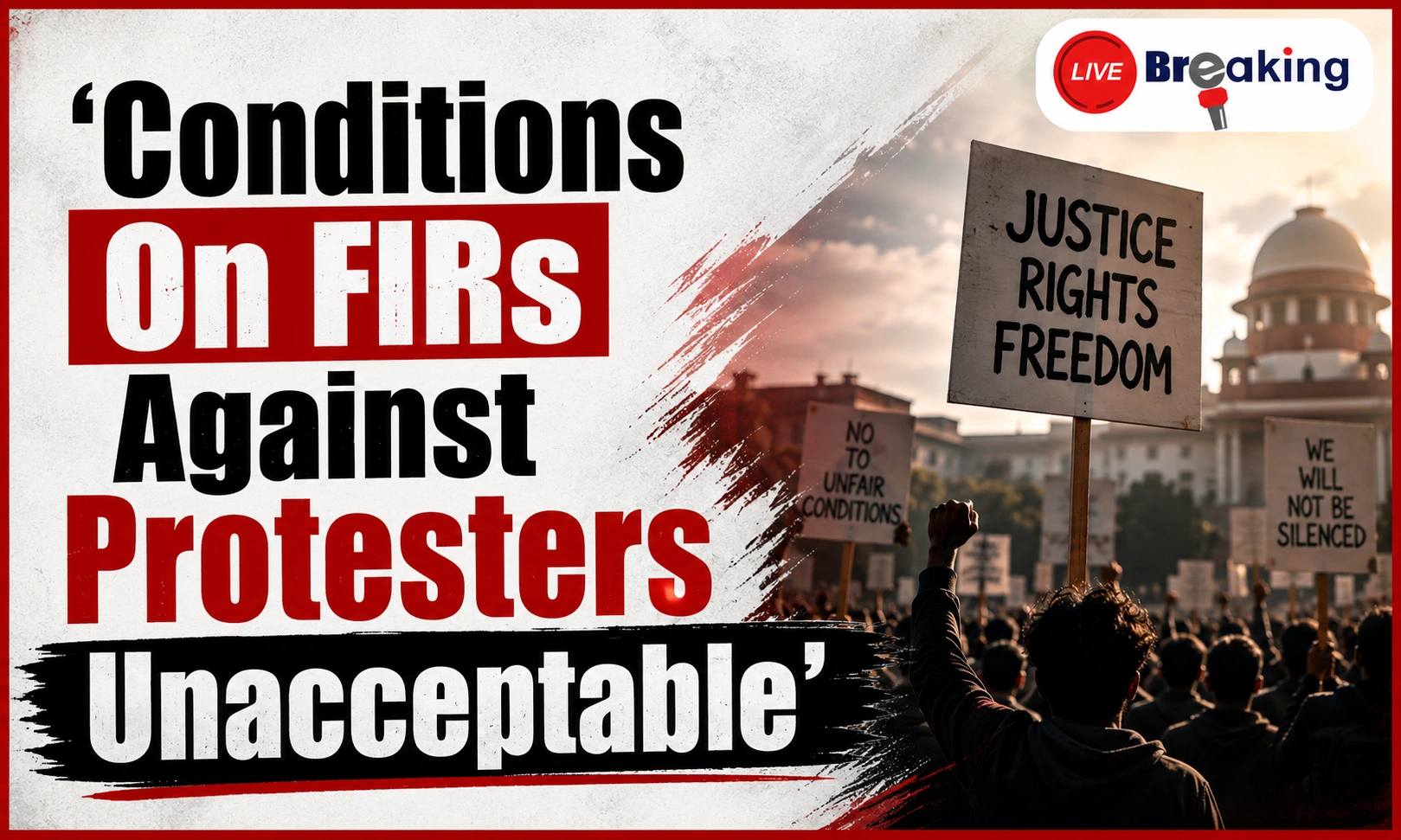
A fresh legal and political debate has emerged after the Supreme Court issued significant directions regarding police action against protesters involved in the nationwide demonstrations linked to the NEET-UG controversy. While the apex court ordered that no coercive action should be taken against peaceful protesters and directed the release of detainees without prior criminal records, it also clarified that police may still register First Information Reports (FIRs) where legally required.
The response from the Cockroach Janta Party (CJP), which led many of the demonstrations, was immediate. The organization described the condition permitting FIR registration as “unacceptable,” arguing that it contradicts earlier assurances allegedly provided during discussions with the Centre and could discourage citizens from exercising their democratic right to peaceful protest.
What Did the Supreme Court Say?
The Supreme Court reiterated that the right to peaceful protest is constitutionally protected and emphasized that authorities cannot resort to excessive force merely because demonstrations are taking place.
Among the court’s major observations were:
- Police may register FIRs where required by law.
- No coercive action should be taken against peaceful protesters during the ongoing proceedings.
- Protesters without previous criminal records should be released if detained.
- Allegations of excessive police force deserve an independent and impartial examination.
- Authorities must preserve relevant evidence, including surveillance footage where applicable.
The court stressed that maintaining public order and protecting constitutional freedoms must go hand in hand.
Why Is CJP Opposing the FIR Condition?
According to CJP leaders, allowing FIRs to remain—even without immediate arrests—creates legal uncertainty for protesters.
The organization argues that:
- FIRs can continue to affect individuals long after protests end.
- Students and young participants may face future employment or educational complications.
- Previous discussions with government representatives allegedly included assurances that peaceful protesters would not face legal consequences.
- The latest judicial position, while offering protection from immediate coercive action, falls short of completely safeguarding protesters.
CJP has maintained that all FIRs against individuals who participated peacefully should eventually be withdrawn.
Balancing Protest Rights and Law Enforcement
Legal experts note that the Supreme Court attempted to balance two important constitutional principles:
| Constitutional Right | State Responsibility |
|---|---|
| Freedom of speech | Maintaining law and order |
| Right to peaceful assembly | Investigating genuine offences |
| Democratic participation | Preventing violence |
| Civil liberties | Ensuring public safety |
Read More: Home Visits, WhatsApp Location: How Mumbai Police Are Trying To Curb Protests
The court did not prohibit police investigations altogether. Instead, it distinguished between registering an FIR and taking coercive measures, indicating that investigations may continue while protecting individuals from unnecessary arrests during judicial review.
Background of the Protest Movement
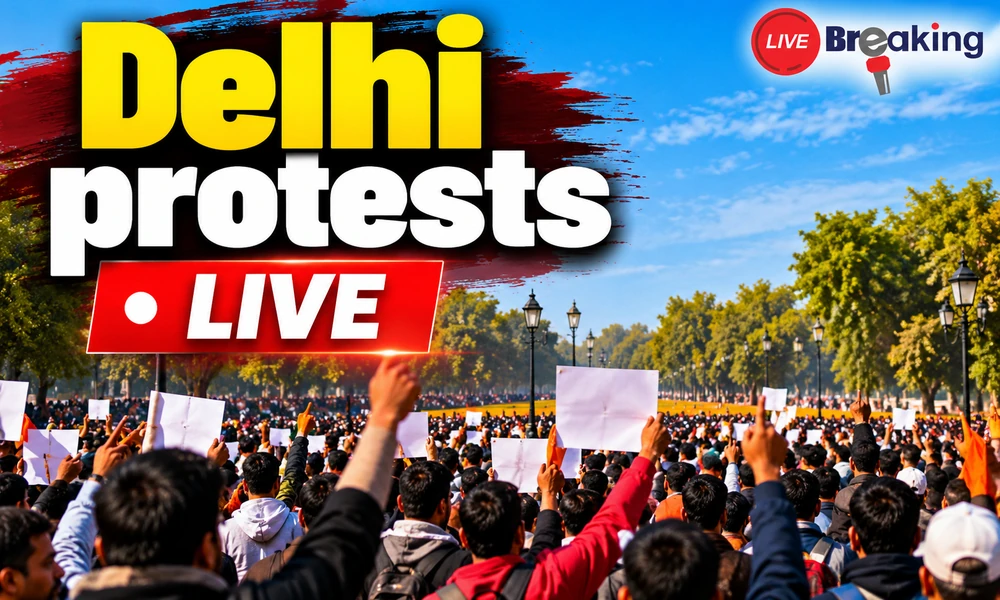
The controversy began after widespread demonstrations over the alleged NEET-UG examination paper leak and demands for accountability from government authorities.
Thousands of students and supporters participated in protests across several states. During the demonstrations:
- Multiple protesters were detained.
- Allegations of excessive police force surfaced.
- Civil rights concerns were raised before the Supreme Court.
- Several petitions sought independent investigations into police conduct.
The matter eventually reached the apex court, resulting in the latest interim directions.
Why FIRs Remain a Sensitive Issue
Legal experts explain that an FIR is only the beginning of a criminal investigation and does not establish guilt.
However, concerns remain because FIRs can:
- Lead to lengthy investigations.
- Require repeated court appearances.
- Create administrative challenges for students and professionals.
- Cause psychological stress even without eventual conviction.
Read More: CJP Protesters’ Passports To Be Cancelled? Delhi Cops Fact-Check Viral Claim
This explains why organizations representing protesters continue demanding complete withdrawal of cases involving peaceful participants.
Possible Impact of the Supreme Court’s Order
The ruling may influence how future protests are handled across India.
Possible implications include:
- Greater judicial scrutiny of police action.
- Stronger emphasis on protecting peaceful demonstrations.
- More accountability in crowd-control measures.
- Continued legal debate over the registration of FIRs during protests.
The court’s observations could also contribute to future discussions regarding standardized national guidelines for managing demonstrations while safeguarding constitutional rights.
What’s Next?
The matter is expected to remain under judicial consideration.
Future hearings may address:
- Independent investigation into allegations of police excesses.
- Status of FIRs registered during the protests.
- Protection of constitutional rights.
- Accountability for any unlawful use of force.
Read More: Education Minister Dharmendra Pradhan Resigns Amid CJP Protests
Meanwhile, CJP has indicated that it will continue pressing for complete withdrawal of FIRs against peaceful protesters while extending legal assistance to affected individuals.
Conclusion
The Supreme Court’s latest order attempts to strike a balance between protecting democratic freedoms and allowing lawful investigations. By preventing coercive action while permitting FIR registration, the court has provided temporary relief but also left unresolved questions about the long-term legal status of peaceful protesters.
CJP’s criticism highlights the continuing debate over how constitutional rights should be protected during large public demonstrations. As the case proceeds, the court’s future directions may shape how governments, police authorities, and citizens approach protests in the years ahead.
Frequently Asked Questions (FAQs)
1. What did the Supreme Court rule regarding protesters?
The court said police may register FIRs where legally necessary but directed that no coercive action should be taken against peaceful protesters while the matter is under consideration.
2. Why is CJP unhappy with the ruling?
CJP believes permitting FIRs against protesters contradicts earlier assurances and may discourage citizens from exercising their democratic rights.
3. Does an FIR mean someone is guilty?
No. An FIR only begins a criminal investigation and does not establish guilt.
Read More: Dubai-Mumbai IndiGo Flight With 194 Onboard Makes Emergency Landing In Rajkot
4. What constitutional rights are involved?
The case involves the right to peaceful protest, freedom of speech, and the state’s responsibility to maintain law and order.
5. What happens next?
The Supreme Court is expected to continue hearing petitions related to police action, FIRs, and allegations of excessive force during the protests.
Key Developments at a Glance
| Topic | Details |
|---|---|
| Court Direction | No coercive action against peaceful protesters |
| FIR Status | Police may register FIRs where legally justified |
| CJP’s Position | Calls FIR condition “unacceptable” |
| Main Concern | Protection of democratic protest rights |
| Future Action | Further hearings and possible investigations |