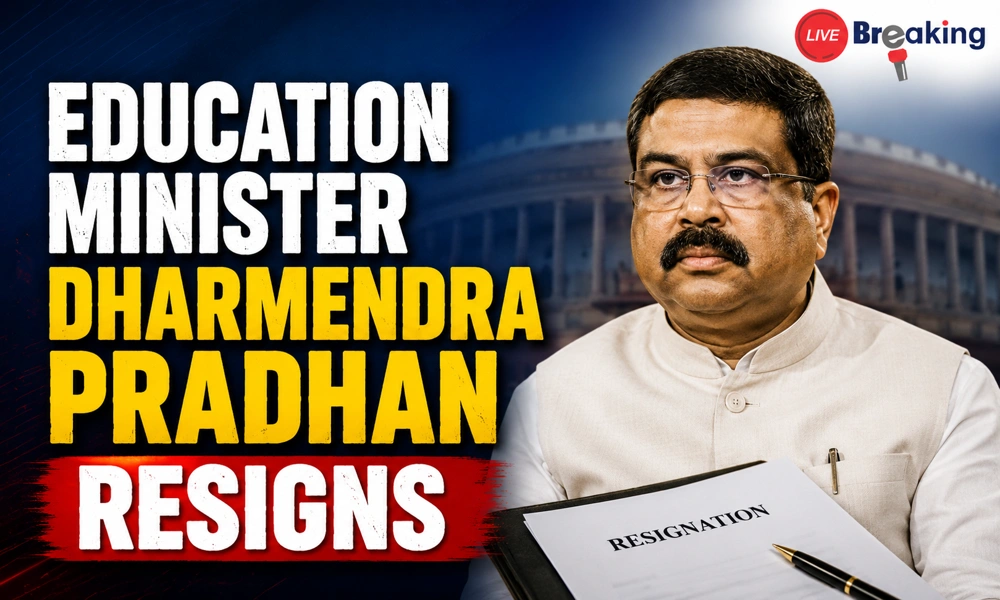
Education Minister Dharmendra Pradhan Resigns Amid CJP Protests: What Happened and What Comes Next
In a major political development, Union Education Minister Dharmendra Pradhan has resigned after weeks of intense nationwide protests led by the Cockroach Janta Party (CJP) and thousands of students demanding accountability over alleged examination irregularities. The resignation comes amid growing public pressure, widespread demonstrations, and increasing political attention surrounding the management of national entrance examinations and education reforms.
The protests, which began as a student movement against alleged paper leaks and examination system failures, evolved into a nationwide campaign calling for transparency, accountability, and structural reforms in India’s education system. Protesters argued that repeated controversies surrounding competitive examinations had severely affected the future of millions of students.
Why Did Dharmendra Pradhan Resign?
According to reports, Dharmendra Pradhan submitted his resignation to Prime Minister Narendra Modi following sustained public protests and increasing political pressure. In his public statement, he acknowledged students’ concerns and indicated that stepping down was intended to prevent further escalation of unrest.
The resignation follows several weeks of demonstrations centered on allegations of examination mismanagement, including concerns over leaked examination papers and demands for greater transparency in recruitment and testing processes.
Although the government has announced multiple measures aimed at strengthening examination security, protest groups maintained that ministerial accountability remained necessary before ending their agitation.
What Sparked the CJP Protests?
The Cockroach Janta Party (CJP), initially emerging as an online youth movement, rapidly transformed into a nationwide protest campaign.
The movement gained momentum after repeated concerns regarding competitive examinations including NEET and other recruitment tests. Students alleged that repeated examination controversies were damaging careers and reducing confidence in India’s educational institutions.
What started as online campaigns soon expanded into:
- Peaceful marches
- Student gatherings
- Social media campaigns
- Public demonstrations
- Sit-ins at Jantar Mantar
- Nationwide solidarity protests
The movement attracted participation from students, education activists, professionals, and civil society members.
Government’s Response Before the Resignation
Before accepting the resignation, the government initiated multiple rounds of discussions with protest leaders.
Authorities also announced several measures aimed at restoring confidence in the examination system, including:
| Government Action | Purpose |
|---|---|
| Meetings with protest representatives | Resolve ongoing agitation |
| Proposal for stronger anti-paper leak measures | Improve examination security |
| Discussions on education reforms | Restore public confidence |
| Administrative changes within the ministry | Strengthen oversight |
Despite these announcements, protesters continued demanding ministerial accountability, stating that structural reforms alone were insufficient.
Read More: Civilian Clothes, White Sheets: How Cops Took Sonam Wangchuk From Protest Site
Why This Resignation Matters
Political analysts describe the resignation as one of the biggest victories for youth-led public movements in recent years.
Several factors make this development significant:
Student Voices Were Heard
For many students, the resignation represents recognition of their concerns regarding examination fairness and transparency.
Accountability in Public Office
The episode reinforces expectations that public officials remain accountable during major governance controversies.
Focus on Education Reform
Attention is now shifting toward long-term reforms that could strengthen examination systems and reduce future irregularities.
Political Impact
The resignation is expected to influence discussions during Parliament sessions while prompting broader debates on education policy and governance.
Read More: What The Cameras Missed At Students’ Protest March In Delhi
Public Reaction Across India
The announcement generated immediate reactions across social media and protest sites.
Supporters of the movement celebrated the decision as an important milestone, while many education experts emphasized that leadership changes alone would not solve deeper systemic issues.
Several observers stressed that sustainable reforms would require:
- Improved examination security
- Transparent investigation mechanisms
- Better digital monitoring
- Faster action against paper leak networks
- Greater accountability within examination authorities
Meanwhile, government representatives reiterated their commitment to strengthening examination processes and restoring public trust.
What Happens Next?
With the resignation now official, attention shifts toward the future leadership of the Education Ministry.
Key questions include:
- Who will become the next Education Minister?
- Will new examination reforms be announced?
- How will pending investigations progress?
- Will protest groups suspend demonstrations?
- Can public confidence in national examinations be fully restored?
Read More: ‘Ready For Debate On NEET Paper Leak, Students Our Top Priority’: Kiren Rijiju
Many experts believe the coming weeks will be crucial in determining whether this political development leads to meaningful institutional reforms.
Impact on Students
For millions of students preparing for competitive examinations, the resignation has renewed hopes for stronger safeguards.
Education experts suggest the next phase should focus on:
- Transparent examination scheduling
- Technology-driven security systems
- Independent oversight mechanisms
- Faster grievance redressal
- Better communication with students
Students continue to emphasize that restoring trust in India’s examination system remains the ultimate objective.
Conclusion
Dharmendra Pradhan’s resignation marks a significant chapter in India’s ongoing debate over education governance and public accountability. While many protesters view the development as an important victory, experts caution that the resignation alone cannot address long-standing structural challenges within the country’s examination ecosystem.
Read More: Home Visits, WhatsApp Location: How Mumbai Police Are Trying To Curb Protests
The coming months will determine whether the political transition results in lasting reforms that improve transparency, strengthen examination security, and rebuild confidence among millions of students.
For now, the resignation stands as a reminder of the growing influence of youth-led civic engagement and the importance of responsive governance in addressing public concerns.
Frequently Asked Questions (FAQ)
1. Why did Dharmendra Pradhan resign?
He resigned following sustained nationwide protests over alleged examination irregularities and growing public pressure for accountability.
2. What is the Cockroach Janta Party (CJP)?
The Cockroach Janta Party (CJP) is a youth-led protest movement that gained prominence by demanding accountability and reforms in India’s education system.
3. What were the protesters demanding?
The protesters called for ministerial accountability, stronger action against paper leaks, greater transparency in examinations, and comprehensive education reforms.
4. Has the government announced any reforms?
Yes. The government has discussed stronger anti-paper leak measures, administrative changes, and reforms intended to improve examination integrity.
Read More: CJP Protesters’ Passports To Be Cancelled? Delhi Cops Fact-Check Viral Claim
5. What could happen next?
The government is expected to appoint a new Education Minister and continue discussions on examination reforms while addressing students’ concerns.
Key Highlights Table
| Topic | Details |
|---|---|
| Event | Dharmendra Pradhan Resigns |
| Reason | Student protests and accountability demands |
| Protest Group | Cockroach Janta Party (CJP) |
| Main Issue | Alleged examination irregularities and paper leaks |
| Government Response | Talks, reform proposals, administrative changes |
| Public Reaction | Mixed, with celebrations among protesters and calls for deeper reforms |
| Future Focus | Education reforms and restoring trust in examinations |