What the Cameras Missed at Students’ Protest March in Delhi: Voices, Emotions, and the Fight for Education Reform
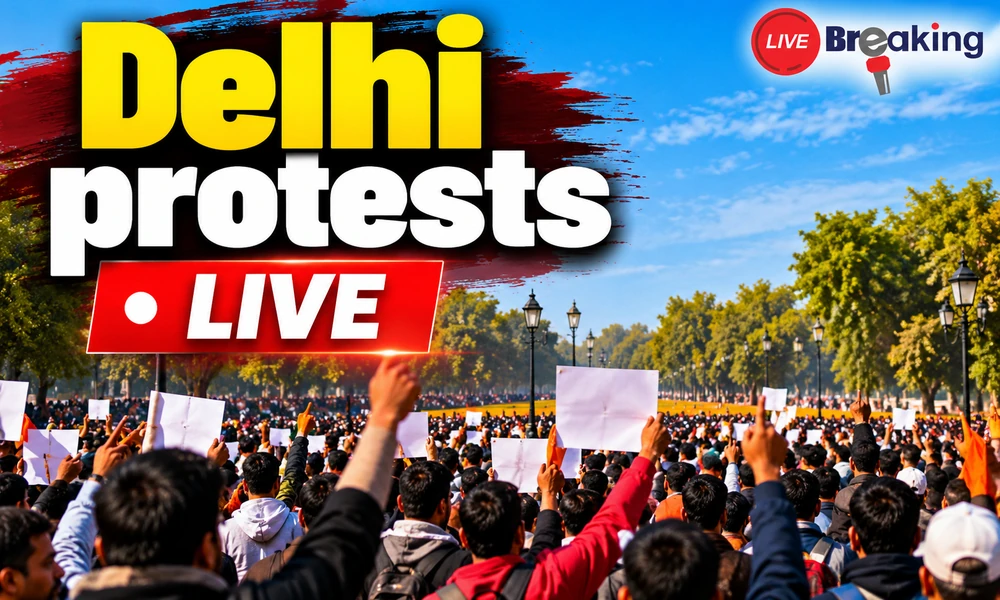
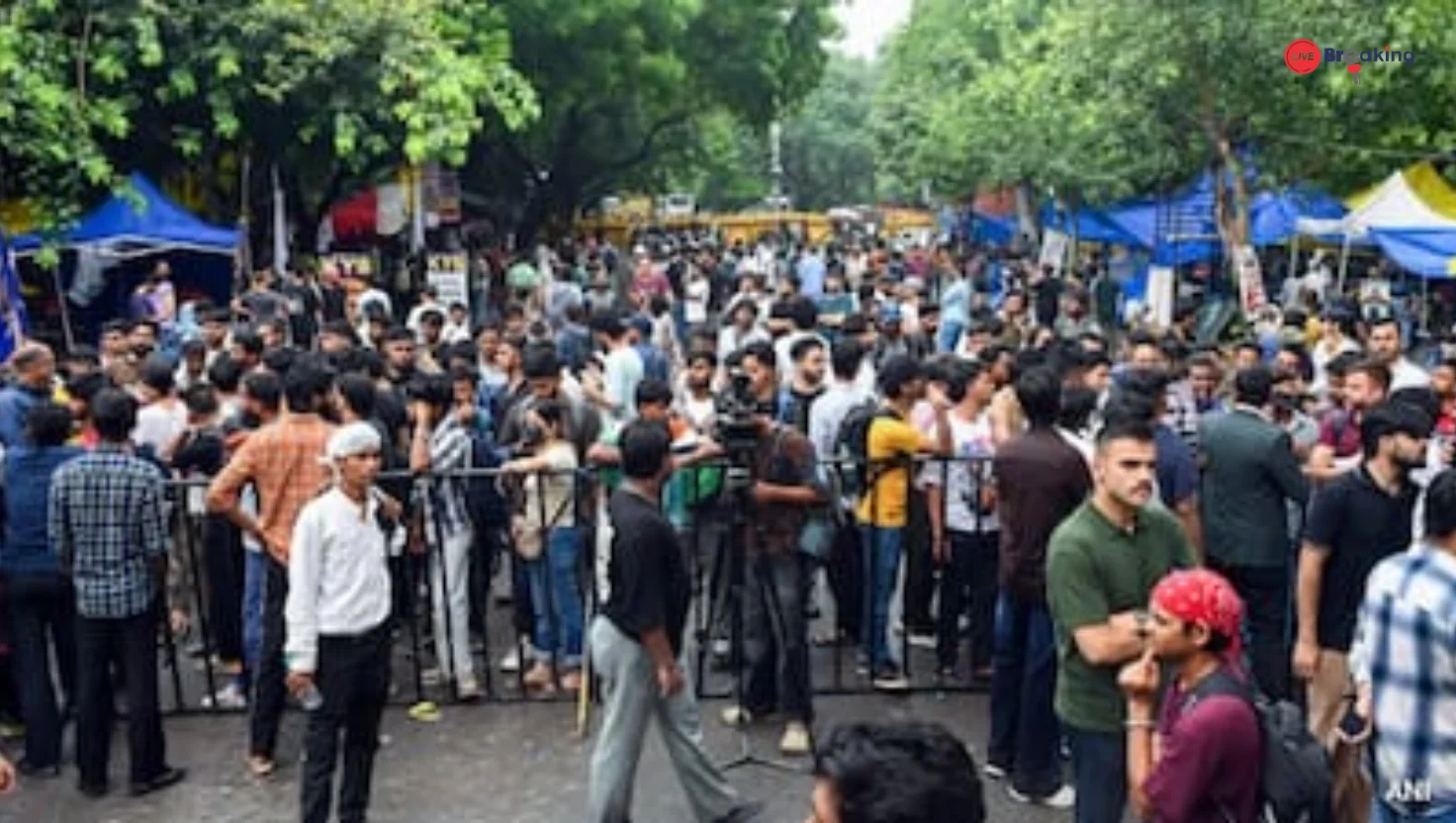
Thousands of students gathered in Delhi to demand accountability, transparency, and reforms in India’s education system. While television cameras largely focused on clashes, barricades, and political statements, the real story unfolded among ordinary students carrying handwritten placards, parents standing beside their children, volunteers distributing water, and young people determined to make their voices heard.
The protest became one of the largest youth-led demonstrations in recent years, fueled by growing anger over alleged examination irregularities, repeated paper leaks, and concerns about the future of millions of aspirants. Reports suggest that the demonstrations centered around demands for systemic education reforms and accountability from authorities.
What the Cameras Missed at Students’ Protest March in Delhi
The images broadcast across television screens showed barricades, police deployment, and crowds marching through the streets of Delhi. But behind those visuals was another story—one that captured determination, hope, frustration, and unity among thousands of students who believe that India’s education system deserves urgent reforms.
For many participants, the protest was never just about one examination or one government department. It represented years of accumulated anxiety over competitive examinations, delayed results, paper leaks, and the uncertainty that follows every disruption in the academic calendar.
Students from different universities, coaching institutes, and states travelled to Delhi carrying one common message: their future should not become the cost of administrative failures.
Why Students Took to the Streets
India’s competitive examinations determine the careers of millions of young people every year. Medical, engineering, civil services, and university entrance examinations shape educational opportunities and professional futures.
Repeated allegations regarding examination management, paper leaks, and administrative lapses have increased frustration among aspirants.
Many students participating in the march argued that every cancelled examination costs candidates months—or even years—of preparation, emotional stress, and financial burden.
Several protesters also highlighted issues such as:
- Fair examination processes
- Better transparency
- Faster investigations into irregularities
- Greater accountability from authorities
- Long-term reforms to restore trust in the system
These concerns transformed the demonstration into a broader youth movement rather than a single-issue protest.
The Human Stories Behind the Headlines
Television coverage often highlights dramatic visuals, but the strongest moments came from ordinary people standing quietly in the crowd.
Many students held handwritten placards instead of professionally printed banners.
Some had travelled overnight by train to reach Delhi.
Others carried copies of admit cards and examination hall tickets as symbols of months of hard work.
Parents accompanied several aspirants, saying they wanted to support children who had spent years preparing for competitive exams.
Volunteers distributed drinking water, food packets, masks, and first-aid supplies throughout the day.
Groups of students were seen comforting each other after tense moments during the march.
These scenes reflected solidarity rather than political spectacle.
Unity Beyond Colleges
One remarkable aspect of the protest was the diversity of participants.
Students came from:
- Medical coaching institutes
- Engineering aspirants
- University students
- Research scholars
- Recent graduates
- Civil service aspirants
Participants represented different regions, languages, and educational backgrounds.
Despite these differences, nearly everyone shared one concern—the need for a reliable education system where merit is protected.
Voices That Rarely Reached the Cameras
Many students expressed concerns that rarely became prime-time headlines.
Some spoke about:
- Financial pressure on families
- Mental stress after examination cancellations
- Fear of losing another academic year
- Growing uncertainty about career planning
Several students said repeated disruptions had affected their confidence more than their examination performance.
Others emphasized that the protest was intended to remain peaceful while drawing national attention to educational reforms.
Police Presence and Security Arrangements
Authorities deployed heavy security across central Delhi to manage the gathering.
Barricades were placed at multiple locations, while police personnel monitored movement near sensitive government areas.
Reports indicated that tensions escalated in certain locations as demonstrators attempted to march further, leading to clashes between protesters and police.
Despite these developments, many sections of the protest remained peaceful, with students continuing to raise slogans and submit their demands.
Read More: TCS Overhauls Leadership, Creates 5 New Business Units Amid AI Disruption
Social Media Became the Second Protest Ground
While television channels focused on confrontations, social media platforms showed another perspective.
Students uploaded:
- Personal videos
- Live streams
- Interviews
- Volunteer activities
- Peaceful marches
- Emotional speeches
Hashtags supporting educational reforms began trending as more young people shared their experiences online.
The digital conversation helped amplify voices that many participants believed had been overlooked by traditional media.
A Movement Larger Than One Issue
Observers noted that the protest gradually expanded beyond examination-related concerns.
Young participants increasingly discussed:
- Employment opportunities
- Quality of higher education
- Institutional accountability
- Student mental health
- Equal opportunities
For many, education represented the first step toward financial stability.
Any disruption in examinations therefore carried consequences far beyond academic performance.
Government Response
Government representatives stated that investigations and corrective measures were underway regarding examination-related concerns.
Authorities also initiated discussions with protest representatives while appealing for peaceful dialogue.
Read More: IRCTC New Website: Check Features To Make Train Ticket Booking Easier for Indian Railways Passengers
At the same time, student groups continued demanding stronger institutional reforms and long-term structural changes rather than temporary assurances.
Why This Protest Matters
India has one of the world’s largest student populations.
Every competitive examination impacts millions of aspirants and their families.
When trust in examination systems weakens, the consequences extend beyond classrooms—they influence careers, employment, and public confidence.
The Delhi protest demonstrated that today’s youth are increasingly willing to organize peacefully and collectively when they believe their future is at stake.
Regardless of political viewpoints, the march highlighted one clear message:
Students want a transparent, fair, and dependable education system.
Conclusion
The Delhi students’ protest was more than a political event or a breaking news headline.
It was a reminder that behind every examination form is a student who has invested years of preparation, hope, and sacrifice.
While television cameras captured barricades and confrontations, they often missed the quieter moments—students sharing water bottles, parents encouraging their children, volunteers helping strangers, and thousands of young people united by a common belief that education deserves fairness.
As discussions around education reforms continue, these voices may ultimately become the most important part of the story.
Key Highlights Table
| Topic | Details |
|---|---|
| Event | Students’ Protest March in Delhi |
| Main Issue | Education reforms and examination transparency |
| Participants | Students, parents, activists, volunteers |
| Major Demands | Accountability, fair exams, systemic reforms |
| Security | Heavy police deployment and barricades |
| Broader Concern | Student welfare and future opportunities |
| Public Response | Significant discussion on social media |
| Importance | Highlights growing youth engagement in education policy |
Frequently Asked Questions (FAQ)
Q1. Why did students protest in Delhi?
Students protested to demand greater transparency, accountability, and reforms in India’s examination and education system following concerns over examination irregularities.
Q2. What were the main demands of the protesters?
The protesters called for fair examination processes, stronger institutional accountability, timely investigations into alleged irregularities, and comprehensive education reforms.
Read More: Civilian Clothes, White Sheets: How Cops Took Sonam Wangchuk From Protest Site
Q3. Was the protest peaceful?
Large sections of the protest remained peaceful, although clashes were reported in certain areas during attempts to move toward restricted zones.
Q4. Why is this protest considered significant?
It highlighted widespread concerns among India’s youth regarding education, employment, and the credibility of competitive examinations.
Q5. What happened after the protest?
Government representatives initiated dialogue with protest leaders while student groups continued pressing for long-term reforms.