Twisha Sharma Case: CBI To Decode Husband Samarth Singh’s Bipolar Disorder Claims
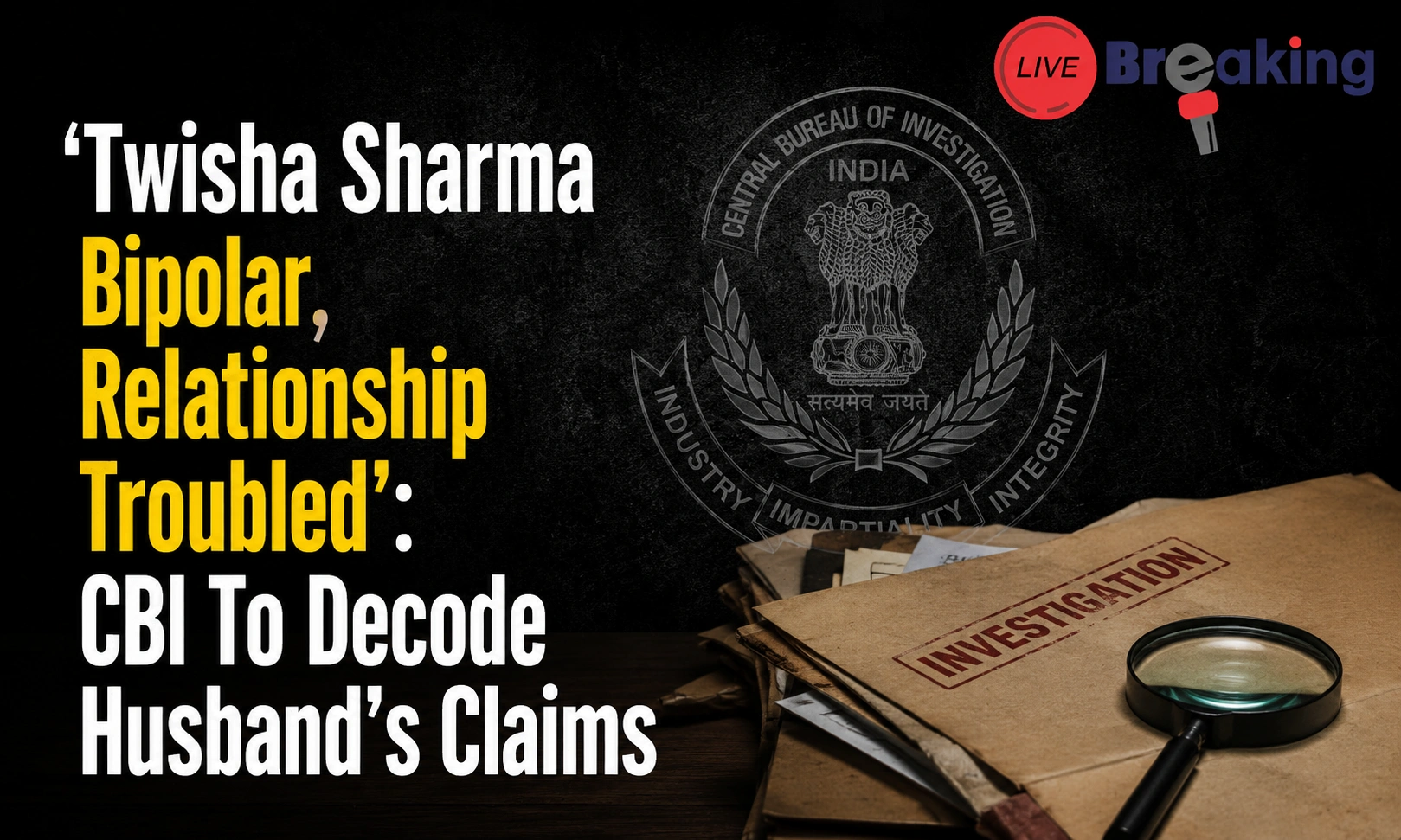
The death case involving Twisha Sharma has now taken a significant turn as the Central Bureau of Investigation (CBI) begins closely examining statements made by her husband, Samarth Singh. According to recent developments, Singh allegedly claimed that Twisha Sharma suffered from bipolar disorder and that the couple’s relationship had been facing serious difficulties.
The high-profile case has sparked nationwide attention, especially on social media, where discussions around mental health, marital stress, and accountability continue to intensify. Investigators are now expected to verify every claim made by the husband, including medical history, communication records, and personal testimonies from family members and close associates.
The case has become one of the most talked-about national investigations, with people demanding transparency and justice.
CBI Focuses on Husband Samarth Singh’s Statements
As the investigation progresses, the CBI is reportedly analyzing whether the claims made by Samarth Singh hold any factual basis. Officials are expected to gather evidence related to:
| Investigation Focus | Details |
|---|---|
| Medical Records | Verification of alleged bipolar disorder diagnosis |
| Digital Evidence | Chats, emails, phone records, and social media activity |
| Family Testimonies | Statements from relatives and friends |
| Relationship History | Nature of marital disputes and emotional stress |
| Timeline Reconstruction | Events leading up to the incident |
Authorities are also looking into whether the statements were made as part of a defense strategy or if they genuinely reflect the circumstances surrounding the relationship.
What Is Bipolar Disorder?
Bipolar disorder is a mental health condition characterized by extreme mood swings that include emotional highs (mania or hypomania) and lows (depression). Experts caution that mental health conditions should never be casually used in public discourse without verified medical evidence.
Mental health advocates have expressed concern over the rapid spread of unverified claims online. Many experts argue that attaching psychiatric labels during sensitive investigations can influence public opinion unfairly.
Relationship Troubles Under Scanner
One of the central aspects of the investigation is the alleged troubled relationship between Twisha Sharma and Samarth Singh. Sources suggest that investigators are examining whether there were recurring disputes, emotional stress, or external pressures affecting the couple.
Read More: In Big Order, Supreme Court Allows Killing Of Rabid, Aggressive Stray Dogs
Several questions are now being investigated:
- Were there prior complaints or reports of marital conflict?
- Did family members know about ongoing disputes?
- Were there signs of emotional or psychological distress?
- Did the couple seek counseling or medical support?
- Could relationship pressure have contributed to the tragic developments?
The CBI is expected to cross-check statements from both families while carefully reconstructing the events leading to the incident.
Public Reaction and Social Media Debate
The case has ignited intense debate across digital platforms. While some people believe the investigation should remain evidence-based, others have criticized the public discussion surrounding mental health allegations.
Read More: Video: PM Modi Cashes In On Internet Memes With Melody Gift For Meloni
Social media users have highlighted the importance of:
- Responsible reporting
- Mental health awareness
- Avoiding speculation
- Respecting privacy during investigations
- Waiting for official findings
Public discourse around high-profile cases often shapes narratives before investigations conclude, which is why authorities are expected to handle the matter cautiously.
Why the Case Has Drawn National Attention
The Twisha Sharma case has become a major national story for several reasons:
1. Celebrity and Public Interest Angle
The involvement of known personalities has amplified public curiosity and media coverage.
2. Mental Health Discussion
The mention of bipolar disorder has sparked larger conversations around mental health stigma in India.
Read More: Tamil Nadu Congress MLA Mentions Rahul Gandhi During Oath, Governor Objects
3. Questions Around Marriage and Emotional Pressure
The investigation has reopened debates on relationship stress, emotional well-being, and support systems.
4. CBI Involvement
Whenever the CBI takes over a case, public scrutiny naturally increases due to expectations of a deeper and more transparent investigation.
Mental Health Experts Urge Caution
Psychologists and mental health professionals have urged both media organizations and the public to avoid drawing conclusions before official verification.
Experts emphasize that:
- Mental illnesses should not be used to assign blame.
- A diagnosis alone cannot explain complex personal situations.
- Public assumptions may negatively impact families and ongoing investigations.
- Responsible journalism is essential during emotionally sensitive cases.
Many specialists have also called for greater awareness around how mental health is discussed in mainstream media.
Possible Next Steps in the Investigation
According to reports, investigators may proceed with:
Read More: Shashi Tharoor Advice To Opposition Amid ‘Cockroach Janata Party’ Rage
- Detailed forensic analysis
- Examination of hospital and therapy records
- Interviews with friends and relatives
- Analysis of financial and digital communication trails
- Timeline-based reconstruction of key events
The findings from these investigations are expected to play a crucial role in determining the accuracy of the claims made by Samarth Singh.
Impact on Public Conversations Around Mental Health
Beyond the investigation itself, the case has highlighted how mental health conversations in India remain deeply sensitive and often misunderstood.
Activists believe the situation could become an opportunity to encourage:
- Better emotional support systems
- More awareness about psychiatric conditions
- Reduced stigma around therapy and counseling
- Responsible social media discussions
- Stronger legal sensitivity in personal cases
Read More: How Urban India Weekend Obsession Became A $50 Million Market
The outcome of the investigation may significantly influence future public narratives around mental health and accountability.
FAQs
Why is the CBI investigating the Twisha Sharma case?
The CBI is investigating the circumstances surrounding Twisha Sharma’s death and verifying claims made by her husband regarding mental health issues and marital problems.
What claims did Samarth Singh reportedly make?
Samarth Singh allegedly claimed that Twisha Sharma suffered from bipolar disorder and that their relationship was troubled.
What is bipolar disorder?
Bipolar disorder is a mental health condition involving severe mood swings ranging from emotional highs to depressive lows.
Has the CBI confirmed the husband’s claims?
No official confirmation has been made yet. Investigators are currently verifying all claims through evidence and testimonies.
Read More: In Twisha Sharma Case, Supreme Court’s Big ‘Narrative As Accused Ex-Judge’ Remark
Why has the case gained national attention?
The case involves emotional allegations, mental health discussions, marital issues, and a high-profile CBI investigation, all of which have attracted widespread public interest.
Key Takeaways
- CBI is verifying Samarth Singh’s claims regarding bipolar disorder and marital conflict.
- Investigators are analyzing medical records, digital evidence, and testimonies.
- Mental health experts are urging responsible reporting.
- Public debate continues around emotional stress and accountability.
- Official findings are still awaited.