Home Visits, WhatsApp Location: How Mumbai Police Are Trying to Curb Student Protests, Latest News
Mumbai has witnessed a fresh wave of student-led protests over the past few days, with demonstrations spreading across key parts of the city in solidarity with ongoing nationwide protests. Amid growing concerns over law and order, Mumbai Police have reportedly adopted a series of preventive measures, including home visits, phone calls, WhatsApp live location requests, and digital notices, to discourage students from participating in repeated demonstrations.
The development has sparked a debate over the balance between maintaining public order and protecting citizens’ constitutional rights. While police officials describe these actions as preventive steps intended to safeguard students’ futures, legal experts and civil rights activists have raised concerns about privacy, surveillance, and freedom of movement.
Why Are Students Protesting?
The recent demonstrations in Mumbai are linked to nationwide protests over alleged irregularities in competitive examinations, particularly NEET-UG 2026, and demands for greater accountability in the education system. Student groups, activists, and several political organizations have organized rallies, sit-ins, and peaceful demonstrations across various cities.
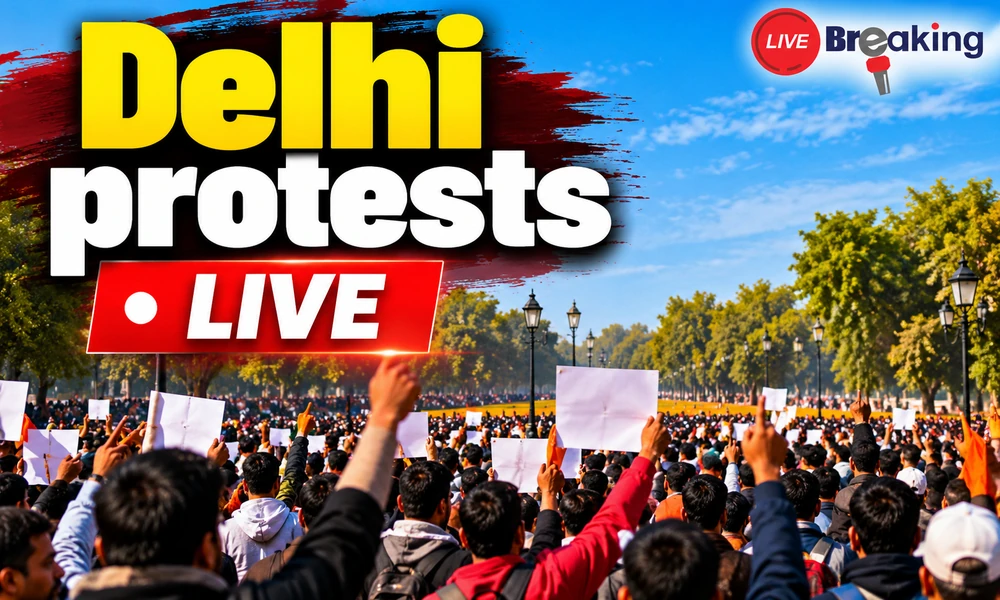
Mumbai has become one of the key centres of these protests, with gatherings reported at locations such as Shivaji Park, Chembur, Azad Maidan, and Dadar. Similar protests have also continued in Delhi’s Jantar Mantar.
How Mumbai Police Are Preventing Repeat Protests
According to reports, Mumbai Police have implemented several preventive measures designed to discourage repeat participation in demonstrations.
These include:
- Direct phone calls to students who were previously detained or named in FIRs.
- Requests to continuously share WhatsApp live location.
- Home visits by police officials.
- Digital legal notices sent through messaging applications.
- Deployment of police teams near metro stations and railway stations.
- Monitoring individuals who had previously participated in protests.
- Quick identification of protesters through shared police records.
Police officials have maintained that these actions are preventive rather than punitive.
Home Visits to Student Protesters
One of the most discussed measures has been police officers visiting the homes of student protesters.
According to reports, officers informed families about ongoing investigations and advised students against joining further protests. These visits were reportedly carried out across multiple parts of Mumbai and nearby municipal areas.
Authorities claim these visits are meant to ensure that young people do not inadvertently acquire criminal records that could affect their future careers or education.
WhatsApp Live Location Requests Raise Privacy Questions
Another controversial aspect of the police strategy involves asking certain protesters to share their WhatsApp live location continuously.
Screenshots circulating on social media reportedly show police personnel instructing individuals to remain at home while keeping their live location active.
Civil liberties groups argue that such requests raise serious questions about:
- Personal privacy
- Digital surveillance
- Constitutional freedoms
- Legal authority for such monitoring
Police, however, have defended these measures as temporary preventive actions during a sensitive law-and-order situation.
Digital Notices and Legal Action
Several students reportedly received notices under the Bharatiya Nagarik Suraksha Sanhita (BNSS) through messaging platforms during early morning hours.
The notices directed recipients to appear before police authorities regarding previous demonstrations.
Officials say digital delivery enables quicker communication and helps avoid delays in investigations.
Increased Security Across Mumbai
Apart from direct communication with protesters, Mumbai Police have significantly strengthened security arrangements.
Authorities have:
- Increased police deployment across sensitive locations.
- Positioned officers near railway stations and metro stations.
- Restricted public gatherings in several areas.
- Shared records of previously detained protesters with police stations for quicker identification.
These measures are intended to prevent escalation while ensuring public safety.
Police Explain the Reason Behind Their Actions
Senior police officials have stated that their objective is not to suppress democratic protests but to protect young students from long-term consequences.
According to officials, criminal cases can affect:
- Passport applications
- Government job opportunities
- Private employment
- University admissions
- Overseas education prospects
Read More: Civilian Clothes, White Sheets: How Cops Took Sonam Wangchuk From Protest Site
Authorities argue that preventive engagement may help students avoid legal complications that could impact their futures.
Legal Experts Raise Constitutional Concerns
Despite the police explanation, legal experts and civil rights advocates have questioned whether certain practices exceed permissible limits.
Some of the concerns include:
- Whether police can legally request continuous location sharing.
- Whether home visits amount to intimidation.
- The legality of digital surveillance without judicial authorization.
- Potential impact on the constitutional right to peaceful assembly.
Several lawyers have indicated that these issues could eventually be examined by courts if challenged legally.
Public Reaction
Public opinion remains divided.
Supporters of the police believe preventive measures help maintain peace and prevent violence.
Critics argue that the steps could discourage peaceful democratic participation and create fear among students.
The debate has intensified on social media, where discussions continue over balancing national security, law enforcement, and individual freedoms.
What Happens Next?
With protests continuing in Mumbai and Delhi, authorities are expected to maintain heightened security in the coming days.
Read More: What The Cameras Missed At Students’ Protest March In Delhi
Student organizations have indicated that they will continue peaceful demonstrations while demanding accountability over examination-related issues.
Meanwhile, legal observers expect continued debate over the extent of police powers in monitoring and preventing public protests.
Quick Facts Table
| Topic | Details |
|---|---|
| City | Mumbai |
| Main Issue | Student protests over examination-related concerns |
| Police Measures | Home visits, phone calls, WhatsApp live location requests, digital notices |
| Legal Notices | Issued under BNSS provisions |
| Protest Locations | Shivaji Park, Chembur, Azad Maidan, Dadar |
| Security Measures | Increased police deployment and monitoring |
| Concerns Raised | Privacy, surveillance, constitutional rights |
| Police Position | Preventive action to protect students from long-term legal consequences |
FAQ
Q1. Why is Mumbai Police asking students to share their WhatsApp live location?
According to reports, police have requested live locations from some protesters as part of preventive monitoring to discourage repeat participation in demonstrations.
Read More: ‘Ready For Debate On NEET Paper Leak, Students Our Top Priority’: Kiren Rijiju
Q2. Why are police visiting the homes of protesters?
Police officials say home visits are intended to inform families about ongoing investigations and advise students against participating in further protests.
Q3. What are the concerns raised by legal experts?
Legal experts have questioned whether continuous digital monitoring, home visits, and live-location requests comply with privacy rights and constitutional protections.
Q4. Why are students protesting?
The demonstrations are linked to demands for accountability over alleged irregularities in competitive examinations, including NEET-UG 2026, and broader education reforms.
Q5. What has been the police’s official response?
Police officials maintain that the measures are preventive and intended to prevent students from acquiring criminal records that could affect their education, employment, or passport applications.