Supreme Court Rebukes DMK Over Plea Against Tamil Nadu CM Vijay Visits and Speeches in Karur Stampede Case
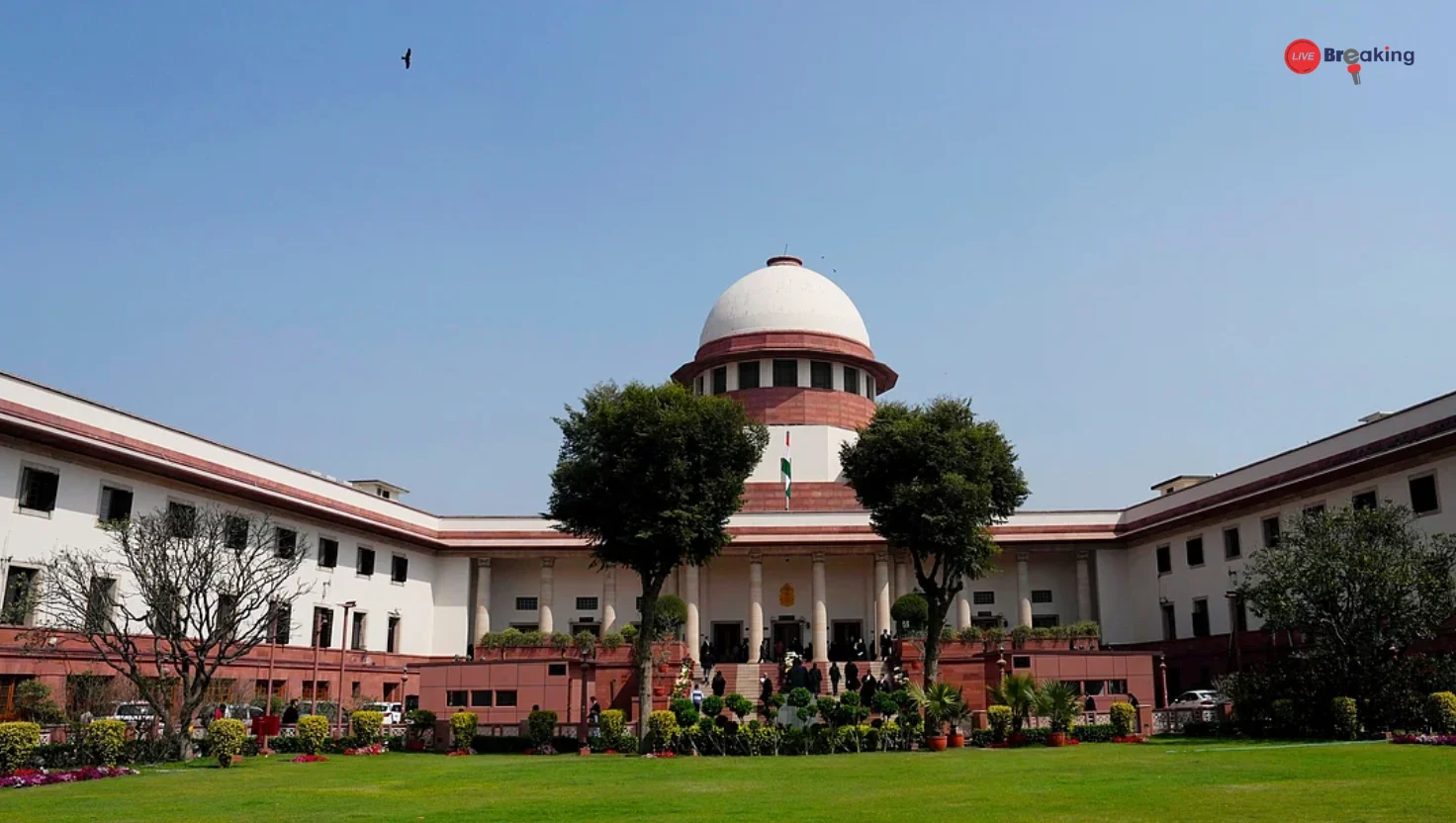
The Supreme Court on Tuesday delivered sharp remarks while hearing a plea filed by the DMK seeking restrictions on Tamil Nadu Chief Minister C. Joseph Vijay’s public speeches and visits in connection with the Karur stampede case. The apex court questioned the very basis of the application, asking whether it was expected to regulate a Chief Minister’s movements and political speeches.
The court observed that judicial intervention cannot be used to settle political disputes and reminded the petitioner that Chief Minister Vijay is not an accused in the Karur stampede investigation. Following the court’s observations, the DMK withdrew its application.
What Was the DMK’s Petition About?
The Dravida Munnetra Kazhagam (DMK) approached the Supreme Court with concerns regarding statements made by Tamil Nadu Chief Minister C. Joseph Vijay and leaders of the ruling Tamilaga Vettri Kazhagam (TVK). The opposition party argued that public speeches, meetings with victims’ families, and comments regarding the Karur stampede investigation could influence witnesses and potentially impact the ongoing probe.
The petition sought directions from the Supreme Court to restrain the Chief Minister and other government leaders from making public remarks or undertaking visits that, according to the DMK, could interfere with the investigation or judicial proceedings.
Supreme Court’s Strong Response
During the hearing, the bench comprising Justice K.V. Viswanathan and Justice Alok Aradhe expressed serious reservations about the nature of the plea.
The judges questioned whether the Supreme Court should regulate a democratically elected Chief Minister’s movements or public speeches simply because a political rival objected to them.
The bench remarked that if a political party disagrees with another party’s statements, the appropriate response is through public discourse rather than judicial intervention. The court also highlighted that Chief Minister Vijay is not an accused in the Karur stampede case, making such restrictions legally difficult to justify.
Court Defends Free Speech Principles
One of the central themes during the hearing was the importance of freedom of speech in a democratic system.
The Supreme Court observed that courts cannot ordinarily prevent political leaders from expressing their opinions unless there is a clear legal violation. Seeking an injunction against political speeches merely because they concern an ongoing issue could set an undesirable precedent.
The judges suggested that political disagreements should be resolved through democratic debate rather than through court-imposed restrictions.
This observation reinforces the judiciary’s long-standing position that constitutional freedoms cannot be curtailed without compelling legal justification.
DMK Withdraws Its Application
After the court’s pointed questions and criticism, senior representatives of the DMK requested permission to withdraw the application.
Read More: How Sister’s Suspicion Helped Unravel Ketan Agarwal Murder Plot By Fiancee
The Supreme Court allowed the withdrawal, effectively ending the matter without passing any directions against the Chief Minister.
As a result, no restrictions have been imposed on CM Vijay’s public appearances or speeches in connection with the Karur stampede case.
Background: The Karur Stampede Case
The controversy stems from the tragic Karur stampede that occurred during a political event in September 2025.
The incident claimed several lives and left many others injured, triggering public outrage across Tamil Nadu. The Supreme Court had earlier directed a Central Bureau of Investigation (CBI) probe into the incident to ensure an impartial investigation.
Since then, the case has remained politically sensitive, with both the ruling TVK government and the opposition DMK accusing each other of attempting to influence public perception surrounding the tragedy.
Political Implications
The Supreme Court’s remarks are likely to have political implications beyond the courtroom.
The ruling TVK may view the court’s observations as a validation of its position that the opposition attempted to use judicial proceedings for political purposes.
Read More: Videos Show Panic, Damage In Venezuela After 2 Earthquakes 39 Seconds Apart
Meanwhile, the DMK may continue to raise concerns regarding witness protection and the fairness of the ongoing investigation through other legal or political avenues.
Political analysts believe the episode highlights the increasingly adversarial political environment in Tamil Nadu following the recent change in government.
Legal Significance of the Judgment
Although the Supreme Court did not issue a formal judgment on the merits of the application, its observations carry significant legal value.
The hearing reaffirmed several constitutional principles:
- Courts are reluctant to regulate political speech without strong legal grounds.
- Democratic disagreements should primarily be addressed through political processes.
- Judicial intervention should not become a mechanism for resolving political rivalries.
- Restrictions on public representatives require substantial legal justification.
These observations may influence similar petitions in future where political parties seek judicial restrictions against elected leaders.
Public and Political Reactions
The Supreme Court’s remarks have generated widespread discussion among legal experts and political observers.
Read More: WhatsApp Username Feature: What It Is, How It Works, And Why It Matters
Supporters of the ruling government welcomed the court’s observations, arguing that elected leaders should not face unnecessary judicial restrictions while interacting with citizens.
Opposition voices, however, continue to stress the need to protect witnesses in sensitive criminal investigations and maintain the integrity of the legal process.
Legal experts note that while witness protection remains important, blanket restrictions on political speeches are generally difficult to justify under constitutional law.
Key Highlights
| Topic | Details |
|---|---|
| Case | Karur Stampede Investigation |
| Petitioner | DMK |
| Respondent | Tamil Nadu CM C. Joseph Vijay and TVK leaders |
| Court | Supreme Court of India |
| Main Issue | Restrict CM’s speeches and visits |
| Court’s Observation | Judiciary cannot regulate political speeches without legal basis |
| Chief Minister’s Status | Not an accused in the case |
| Outcome | DMK withdrew its application |
Read More: Ram Mandir Donation Theft: First Picture Of Accused Inside Counting Centre
Conclusion
The Supreme Court’s sharp observations against the DMK underline the judiciary’s cautious approach toward intervening in political matters. While ensuring a fair investigation remains crucial, the court emphasized that constitutional freedoms and democratic processes cannot be curtailed without compelling legal reasons.
By allowing the DMK to withdraw its plea after questioning its maintainability, the apex court reinforced the distinction between political disagreements and judicial intervention. As the Karur stampede investigation continues, the focus is expected to remain on the findings of the investigating agency rather than political rhetoric.
Frequently Asked Questions (FAQs)
1. Why did the Supreme Court criticize the DMK?
The court questioned the DMK’s request to restrict Chief Minister Vijay’s speeches and visits, saying it could not regulate political activities without sufficient legal grounds.
Read More: Another Jolt To Mamata Banerjee, Trinamool Bengal Chief Quits, Meets Rebels
2. What was the DMK seeking in its petition?
The party sought restrictions on public statements and visits by CM Vijay and other TVK leaders, arguing they could influence witnesses in the Karur stampede investigation.
3. Did the Supreme Court issue any restrictions on CM Vijay?
No. The court imposed no restrictions, and the DMK withdrew its application after the hearing.
4. Is Chief Minister Vijay an accused in the Karur stampede case?
No. The Supreme Court specifically noted that Chief Minister Vijay is not an accused in the investigation.
5. What happens next in the Karur stampede case?
The investigation will continue under the agency appointed by the Supreme Court, while the legal proceedings related to the stampede remain ongoing.