Mumbai Doctor Faces Inquiry Over ‘Male Corpse’ Remark at Comedy Show, KEM Hospital Launches Probe
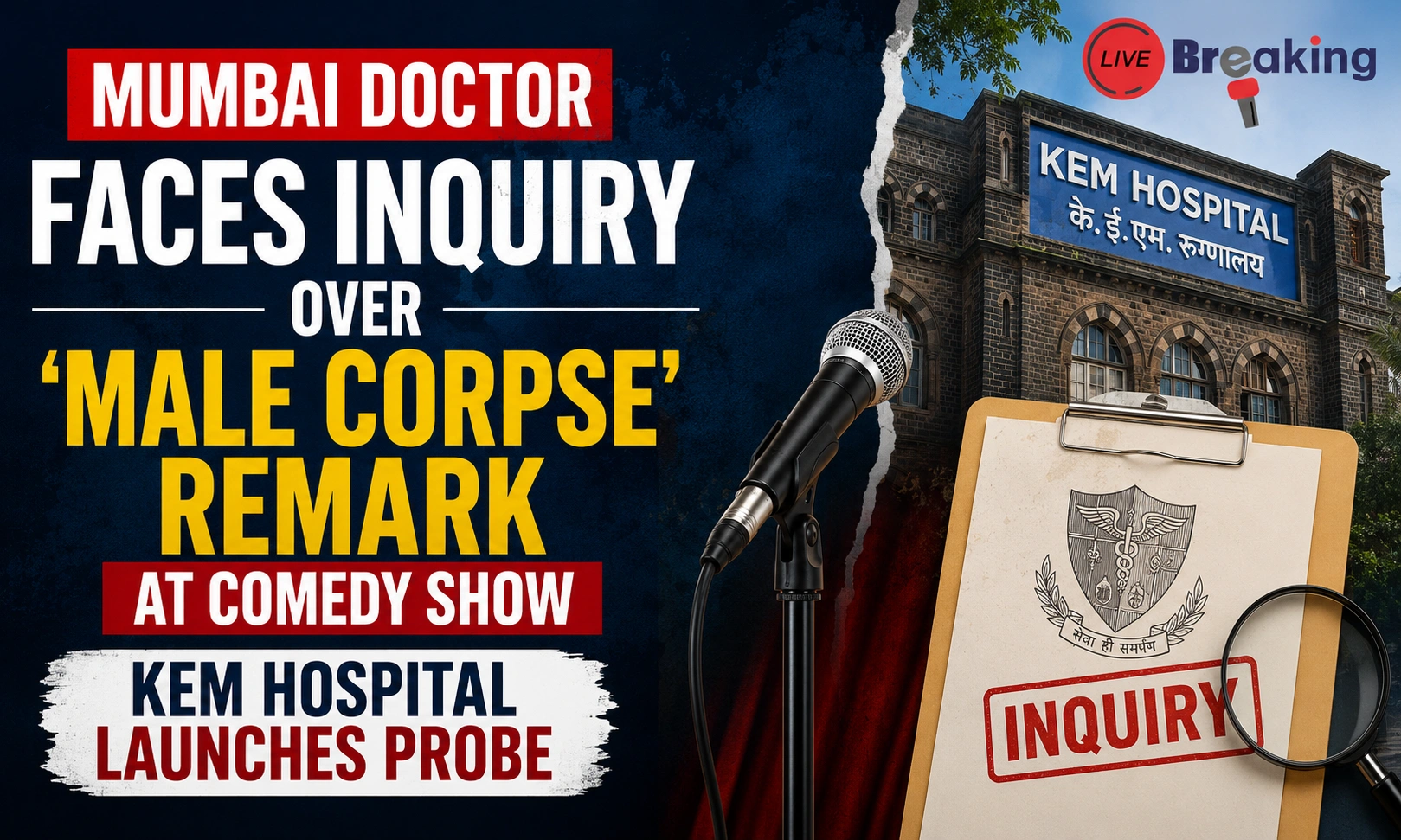
A Mumbai-based medical student and doctor, Sejal Pawar, has come under intense scrutiny after a video clip from a comedy show went viral on social media. The controversy revolves around remarks she made regarding male cadavers during an interaction at a stand-up comedy event hosted by comedian Pranit More. The comments triggered widespread backlash online, prompting Mumbai’s King Edward Memorial (KEM) Hospital to initiate an inquiry into the matter.
The incident has reignited discussions about medical ethics, professionalism, and the responsibility of healthcare professionals when speaking publicly, even in informal settings.
What Happened At The Comedy Show?
The controversy stems from a crowd interaction segment during one of comedian Pranit More’s performances. During the exchange, Sejal Pawar reportedly made remarks about discussing and comparing anatomical features of male cadavers with colleagues during medical training. The comments, intended as humor in the context of a comedy show, were widely criticized after clips from the event surfaced online.
As the video spread across social media platforms, many viewers expressed concern that the remarks showed a lack of respect toward deceased individuals whose bodies are donated for medical education and research.
The backlash intensified rapidly, with critics arguing that cadavers deserve dignity and respect because they play a vital role in helping future doctors learn human anatomy and medical procedures.
KEM Hospital Responds Strongly
Following the viral controversy, KEM Hospital and Seth Gordhandas Sunderdas Medical College took swift action. Hospital Dean Dr. Harish Pathak publicly condemned the remarks and announced the formation of a two-member committee to investigate the matter. According to the hospital administration, such comments are considered unacceptable and inconsistent with the values expected from medical professionals.
The hospital emphasized the importance of maintaining sensitivity when discussing deceased individuals, particularly those whose bodies have been donated for medical education. Officials stated that appropriate action would be taken based on the findings of the inquiry committee.
Doctor Issues Public Apology
Amid growing criticism, Sejal Pawar released a public apology addressing the controversy. In her statement, she acknowledged that the clip had upset many people and admitted that her comments came across differently than intended. She emphasized that there was no intention to disrespect anyone but recognized that the impact of her words mattered more than her original intent.
Read More: INDIA Bloc Meet Tomorrow, Mamata Banerjee Eyes Help From ‘Frenemy’ Congress
Pawar further stated that the incident had become a learning experience for her as a medical student. She expressed regret for her remarks and apologized to those who felt hurt or offended by the comments. She also promised to be more mindful in the future when discussing sensitive subjects.
Medical Community Reacts
The controversy has drawn significant reactions from members of the medical fraternity. Several doctors and medical students highlighted the importance of respecting body donors and maintaining professional ethics.
The All India Medical Students’ Association (AIMSA) strongly condemned the remarks and called for strict action. The organization noted that every cadaver represents an individual who made a selfless contribution to medical education through body donation. Such donations, AIMSA argued, deserve the highest degree of gratitude and respect.
Read More: Phone Switched Off, A Connecting Flight: Inside Trinamool Rumblings
The association also stressed that insensitive remarks about cadavers could undermine public trust in medical institutions and discourage future body donations, which are essential for training healthcare professionals.
Social Media Divided
While many users criticized the remarks, others argued that the comments were made during a comedy show where humor and exaggeration are often expected. Nevertheless, the majority sentiment online appeared to favor accountability, particularly because the comments came from a medical professional.
The debate quickly expanded beyond the original clip, touching on broader questions about professional conduct, freedom of expression, and whether public figures and professionals should be held to higher standards even in casual or entertainment settings.
Social media platforms were flooded with discussions about ethics in medicine, respect for the deceased, and the boundaries of comedy.
Link To Earlier ‘Rs 370 Biryani’ Controversy
The controversy emerged at a time when comedian Pranit More was already facing criticism related to another viral crowd-work clip popularly known as the “Rs 370 Biryani” controversy. The resurfacing of the Sejal Pawar video added further scrutiny to the comedian’s shows and audience interactions.
Read More: Meta Layoffs 2026: Employee Survives Job Cuts But Loses Entire Team and Leadership Role
As a result, conversations surrounding content moderation, responsible comedy, and audience participation have gained renewed attention across social media and news platforms.
Why Cadaver Respect Matters In Medical Education
Cadavers are fundamental to medical training worldwide. They allow students to study anatomy in detail and gain practical knowledge that textbooks alone cannot provide.
Medical institutions typically emphasize respect, dignity, and professionalism when handling donated bodies. Many medical colleges conduct ceremonies honoring body donors and their families, recognizing their contribution to science and healthcare.
Experts believe maintaining this culture of respect is essential for preserving public trust and encouraging future body donation programs that benefit medical education.
What Happens Next?
The inquiry committee established by KEM Hospital is expected to review the incident and determine whether disciplinary action is warranted. The outcome of the investigation could have implications not only for the individuals involved but also for discussions around professional ethics in medical education.
Meanwhile, the controversy continues to generate debate online, serving as a reminder that comments made in public forums can have far-reaching consequences, especially for professionals whose roles carry significant ethical responsibilities.
Read More: Sushmita Dev Quits Trinamool, Meets Himanta Biswa Sarma For “Guidance”
Key Facts At A Glance
| Topic | Details |
|---|---|
| Person Involved | Sejal Pawar |
| Profession | MBBS Student/Doctor |
| Hospital | KEM Hospital, Mumbai |
| Controversy | Remarks about male cadavers during comedy show |
| Action Taken | Internal inquiry launched |
| Committee Formed | Two-member investigation panel |
| Public Response | Widespread criticism and debate |
| Doctor’s Response | Public apology issued |
| Medical Association Stand | Demanded strict action and respect for body donors |
FAQ
Why is the Mumbai doctor facing an inquiry?
The inquiry was launched after a viral video showed medical student Sejal Pawar making controversial remarks about male cadavers during a comedy show.
Which hospital is conducting the investigation?
King Edward Memorial (KEM) Hospital and Seth Gordhandas Sunderdas Medical College in Mumbai have initiated the inquiry.
Did Sejal Pawar apologize?
Yes. She issued a public apology, stating that she understood why people were upset and accepted responsibility for her comments.
Read More: 3 Indian Sailors Killed In US Attack On Ship Off Oman Coast
What did the medical community say?
Medical organizations, including AIMSA, criticized the remarks and emphasized the need to respect body donors and cadavers used in medical education.
Has any disciplinary action been taken?
The hospital has formed a committee to investigate the matter. Any disciplinary action will depend on the committee’s findings.
Why are cadavers important in medical education?
Cadavers help medical students learn anatomy and practical medical skills, making body donation a crucial part of healthcare education.