

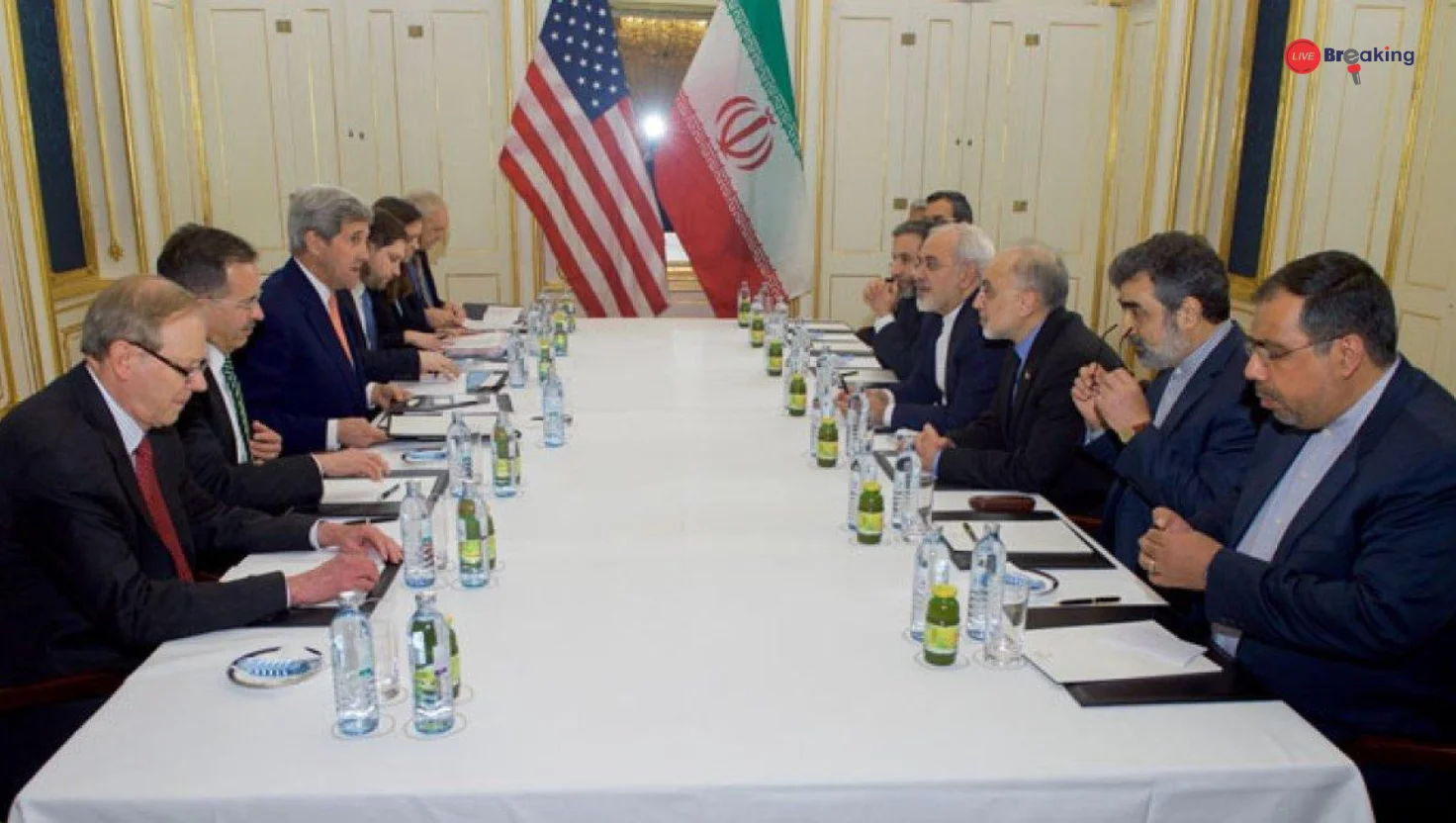
Why JD Vance Is Leading US-Iran Talks in 2026 | Key Reasons, Strategy & Impact
The decision to appoint U.S. Vice President JD Vance as the lead negotiator in talks with Iran marks a pivotal moment in global diplomacy. As tensions escalate in the Middle East following a six-week conflict, the United States is signaling both seriousness and urgency by sending one of its highest-ranking officials to Islamabad for negotiations.
These talks, mediated by Pakistan, are not just routine diplomatic engagements—they are a critical attempt to stabilize a volatile region, reopen global oil routes, and prevent further military escalation.
Background – Why These Talks Matter Now
The ongoing conflict between the United States, Israel, and Iran has already disrupted global markets and raised fears of a broader war. A fragile ceasefire is currently in place, but it remains uncertain and easily breakable.
Key issues at stake include:
| Issue | Description | Global Impact |
|---|---|---|
| Nuclear Program | Iran’s uranium enrichment activities | Security concerns worldwide |
| Strait of Hormuz | Major oil transit route closure | Global oil price surge |
| Sanctions Relief | Iran demands easing of US sanctions | Economic stability |
| Proxy Conflicts | Iran’s influence in the Middle East | Regional instability |
The urgency of these matters explains why the U.S. has escalated its diplomatic representation.
Why JD Vance Was Chosen to Lead
1. Iran’s Preference for Vance as Negotiator
One of the most significant reasons behind this decision is that Iran itself indicated a willingness to negotiate directly with JD Vance. For some factions within Iran’s leadership, Vance is seen as a more acceptable and pragmatic figure compared to other U.S. officials.
This rare alignment created an opportunity for both sides to engage in meaningful dialogue.
2. Signaling Seriousness from the US
Sending the Vice President instead of a lower-ranking diplomat underscores how seriously the U.S. views these talks. It reflects a strong commitment to resolving the crisis diplomatically rather than escalating military action.
As reports suggest, this is the most significant U.S.-Iran engagement in decades, highlighting the gravity of the situation.
3. Balancing Diplomacy and Military Pressure
JD Vance represents a strategic balance between diplomacy and firmness. While leading negotiations, he has also issued strong warnings to Iran not to “play” the United States.
This dual approach ensures that:
- The U.S. remains open to dialogue
- Military options are still on the table
4. Political Strategy Within the US
The decision also has domestic political implications. By taking a central role in negotiations, JD Vance positions himself as a key global leader capable of handling international crises.
At the same time, the move helps the U.S. administration manage internal political divisions and demonstrate leadership ahead of potential future elections.
5. Fresh Approach After Previous Failures
Earlier diplomatic efforts between the U.S. and Iran have repeatedly failed, often leading to renewed conflict. By appointing Vance, the U.S. is attempting a reset in its negotiation strategy—bringing a new face and potentially a new approach to the table.
Read more: US Pushed Pakistan to Broker Iran Ceasefire: Inside the Diplomatic Strategy
Challenges Facing JD Vance
Despite the strategic reasoning behind his appointment, Vance faces several major obstacles:
1. Iran’s Preconditions
Iran has set strict conditions before fully engaging in talks, including:
- A ceasefire in Lebanon
- Release of frozen assets
2. Fragile Ceasefire
The current ceasefire is unstable, with both sides accusing each other of violations.
3. Deep Mistrust
Decades of hostility, including the U.S. withdrawal from the 2018 nuclear deal, have created deep skepticism on both sides.
Read more: Plane and Truck Collision at LaGuardia Airport: Multiple Injuries Reported in New York
4. Risk of Military Escalation
The U.S. has already prepared military options if negotiations fail, increasing pressure on the talks.
What’s at Stake Globally
These talks are not just about U.S.-Iran relations—they have global consequences:
- Energy Security: Reopening the Strait of Hormuz could stabilize oil prices
- Geopolitical Stability: A successful deal could reduce tensions across the Middle East
- Global Economy: Markets are closely watching the outcome
- Future Diplomacy: The talks could redefine how major conflicts are handled
Possible Outcomes of the Talks
| Scenario | Outcome | Impact |
|---|---|---|
| Successful Agreement | Long-term ceasefire + nuclear deal | Stability returns |
| Partial Progress | Temporary agreements | Continued uncertainty |
| Failure | Renewed military conflict | Global crisis intensifies |
Read More: US Fighter Jets Hit Over Iran: 2 Pilots Rescued, 1 Missing Amid Rising Tensions
FAQs
Q1: Why is JD Vance leading the US delegation instead of diplomats?
JD Vance is leading because the situation is highly critical, and Iran has shown willingness to engage with him directly, making him a strategic choice for high-level negotiations.
Q2: Where are the US-Iran talks taking place?
The talks are being held in Islamabad, Pakistan, which is acting as a mediator between the two nations.
Q3: What are the main issues being discussed?
Key issues include Iran’s nuclear program, sanctions relief, reopening the Strait of Hormuz, and regional conflicts.
Q4: Is the ceasefire between the US and Iran stable?
No, the ceasefire is fragile, with ongoing tensions and risks of violations on both sides.
Q5: What happens if the talks fail?
Failure could lead to renewed military action, further destabilizing the Middle East and impacting global markets.
Read More: MP Woman Kills Husband After Affair Row: ‘Tum Kaale Ho’ Remark Sparks Shocking Crime
Conclusion
JD Vance’s leadership in the U.S.-Iran talks represents a calculated diplomatic gamble. By combining political authority, strategic signaling, and a fresh negotiating approach, the United States aims to break a long-standing deadlock with Iran.
However, the road ahead remains uncertain. With high stakes, deep mistrust, and ongoing geopolitical tensions, the success of these talks could either mark a historic breakthrough—or push the region closer to another major conflict.