

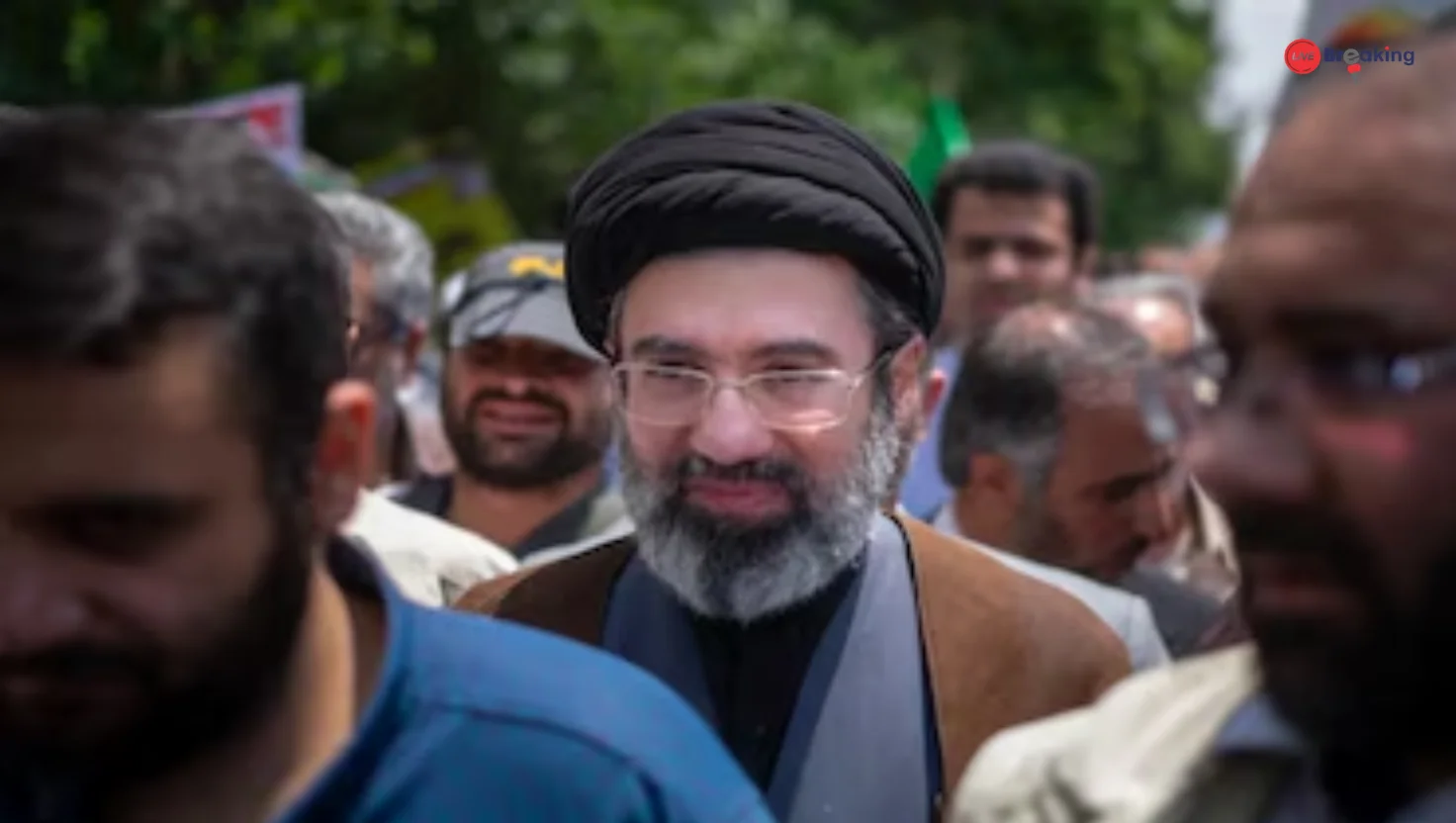
2 Hours Before Trump’s Deadline, A Deal Was Made. Mojtaba’s Role Was Key
A dramatic last-minute diplomatic breakthrough prevented escalation as global tensions peaked, with Mojtaba Khamenei playing a pivotal leadership role.
A High-Stakes Deadline That Nearly Triggered War
In a tense geopolitical standoff, former US President Donald Trump issued a strict deadline to Iran: reopen the Strait of Hormuz or face devastating military strikes. This ultimatum came after weeks of escalating conflict that had already disrupted global oil supply chains and heightened fears of a full-scale war.
Just hours before the deadline expired, a breakthrough occurred. The United States and Iran agreed to a temporary two-week ceasefire, effectively avoiding immediate military confrontation.
The agreement required Iran to reopen the Strait of Hormuz—one of the world’s most critical oil transit routes, responsible for nearly 20% of global oil shipments.
Mojtaba Khamenei’s Strategic Role in the Deal
At the center of this diplomatic shift was Mojtaba Khamenei, Iran’s Supreme Leader and a powerful figure in shaping the country’s wartime strategy.
Following the assassination of his father, Ali Khamenei, Mojtaba assumed leadership during one of the most volatile periods in Iran’s modern history.
Read More: Why US and Iran Trusted Pakistan as Mediator in Ceasefire Talks | 2026 Analysis
Reports suggest that Mojtaba played a decisive role in approving the ceasefire, signaling Iran’s willingness to temporarily de-escalate tensions while maintaining a strong strategic position. Despite agreeing to the truce, he emphasized that this was “not the end of the war”, indicating a cautious and calculated approach.
Pakistan’s Mediation and Global Diplomatic Pressure
Another critical factor behind the deal was international mediation. Pakistan, led by Prime Minister Shehbaz Sharif, played a key role in facilitating dialogue between Washington and Tehran.
Diplomatic pressure mounted as global markets reacted sharply to the crisis. Oil prices surged, and shipping routes were disrupted, with millions of barrels stranded in the الخليج region.
The ceasefire helped stabilize markets almost immediately, demonstrating how interconnected geopolitics and global economics have become.
Read More: Iran Supreme Leader Unconscious in Qom? Leadership Crisis & War Impact Explained
Key Terms of the Ceasefire Agreement
Below is a simplified breakdown of the agreement:
| Aspect | Details |
|---|---|
| Duration | 2-week temporary ceasefire |
| Main Condition | Iran reopens Strait of Hormuz |
| US Commitment | Halt planned military strikes |
| Additional Parties | Israel also agreed to pause operations |
| Future Talks | Ongoing negotiations for long-term peace |
The deal is widely seen as a short-term solution, with major issues still unresolved.
Why the Strait of Hormuz Matters So Much
The Strait of Hormuz is not just a regional concern—it is a global economic lifeline.
- Handles ~20% of global oil supply
- Critical for energy security in Asia, Europe, and beyond
- Any disruption causes immediate spikes in oil prices
Read more: Bengal Most Polarised State: Supreme Court on Malda Judicial Officers Gherao Case
The blockade had already caused severe disruptions, leaving hundreds of oil tankers stranded and pushing fuel prices higher worldwide.
Political Reactions and Global Impact
The ceasefire announcement triggered mixed reactions across the political spectrum:
- Supporters of Trump called it a strategic victory
- Critics argued the situation was dangerously escalated before diplomacy prevailed
- Global leaders welcomed the move as a step toward de-escalation
However, tensions remain high. Iran has warned that any violation of the agreement could lead to renewed hostilities.
What Happens Next?
While the ceasefire has temporarily eased tensions, the road ahead remains uncertain.
Key questions include:
- Will the ceasefire lead to a permanent peace deal?
- Can both nations agree on long-term terms?
- How will regional players like Israel respond moving forward?
Negotiations are expected to continue, possibly involving multiple international stakeholders.
Read more: Plane and Truck Collision at LaGuardia Airport: Multiple Injuries Reported in New York
FAQs
Q1: What triggered the US-Iran conflict in 2026?
The conflict escalated due to disputes over Iran’s nuclear ambitions, regional influence, and control over the Strait of Hormuz, leading to military confrontations and economic disruptions.
Q2: Why was Trump’s deadline significant?
Trump’s deadline threatened large-scale military strikes on Iran’s infrastructure, making it a critical moment that could have triggered a wider war.
Q3: Who is Mojtaba Khamenei?
Mojtaba Khamenei is Iran’s Supreme Leader in 2026, who assumed power after his father’s death and is a key decision-maker in Iran’s military and political strategy.
Read More: US Fighter Jets Hit Over Iran: 2 Pilots Rescued, 1 Missing Amid Rising Tensions
Q4: What is the importance of the Strait of Hormuz?
It is one of the world’s most important oil transit routes, carrying about 20% of global oil supply, making it crucial for global energy stability.
Q5: Is the war over after the ceasefire?
No, the ceasefire is temporary. Both sides have indicated that tensions remain and further conflict is possible.