2 India-Bound Ships Cross Hormuz After 4 Rounds Of Phone Calls, PM’s Outreach
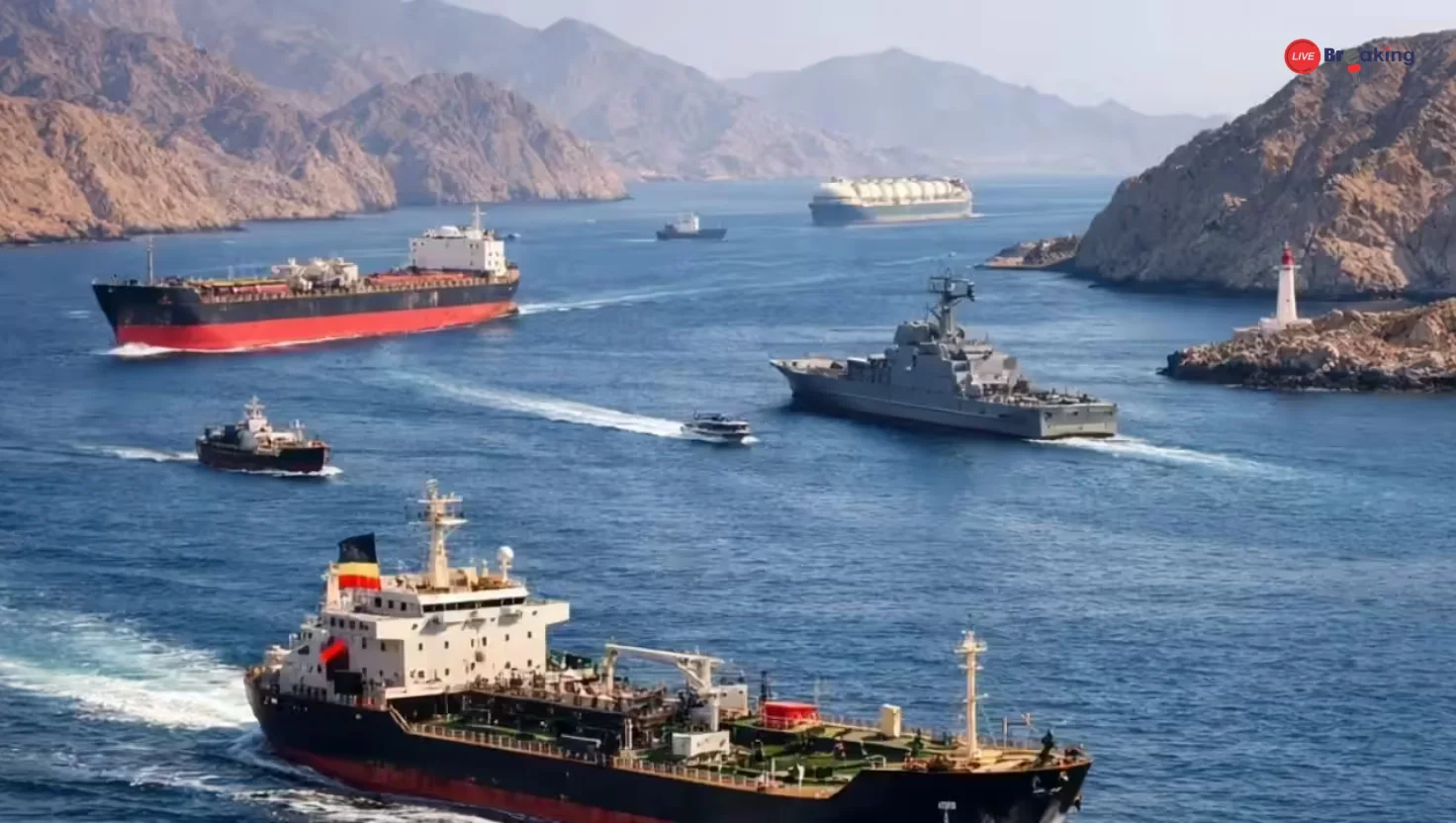
In a significant diplomatic success for India, two India-bound LPG tankers managed to safely cross the strategically critical Strait of Hormuz following intense diplomatic engagement between New Delhi and Tehran. The development comes amid heightened geopolitical tensions in the Middle East involving Iran, Israel, and the United States.
According to reports, the safe transit of the ships was made possible after four rounds of high-level phone conversations between Indian officials and Iranian authorities. The diplomatic outreach, reportedly led by the Prime Minister’s office and senior officials in the Ministry of External Affairs, ensured that the vessels carrying crucial energy supplies to India were allowed to pass through the volatile maritime corridor.
The two ships — Shivalik and Nanda Devi — were carrying liquefied petroleum gas (LPG) supplies destined for India when tensions escalated in the region, raising concerns about their safety and passage.
Why the Strait of Hormuz Is Strategically Important
The Strait of Hormuz is one of the world’s most important energy transit routes. Nearly 20–30% of global oil and gas shipments pass through this narrow waterway connecting the Persian Gulf to the Gulf of Oman and the Arabian Sea.
Any disruption in this route can have serious consequences for global energy markets, including rising oil prices and supply shortages. For India, which imports over 85% of its crude oil requirements, the safety of this corridor is particularly critical.
When geopolitical tensions rise in the region, shipping companies and governments closely monitor vessel movements to avoid disruptions.
Timeline of Events Leading to the Ships’ Safe Passage
| Date | Event | Impact |
|---|---|---|
| Rising tensions in Middle East | Iran-Israel conflict escalates | Shipping risks increase |
| Indian LPG tankers approach Hormuz | Ships await clearance | Concerns over cargo safety |
| Four rounds of diplomatic talks | India contacts Iranian officials | Negotiations for safe transit |
| Clearance granted | Ships allowed to pass | Energy supply secured |
The diplomatic engagement ensured that the vessels could continue their journey without interception or delay.
Diplomatic Outreach by India
India maintained direct communication with Iranian authorities to ensure that the ships were not affected by the evolving conflict situation.
Officials held multiple conversations with their counterparts in Tehran, emphasizing that the ships were transporting civilian LPG cargo meant for domestic consumption in India.
The successful negotiations highlight India’s ability to maintain balanced diplomatic relations in a region where multiple global powers have competing interests.
India has historically maintained strategic relationships with both Iran and Israel, which often requires careful diplomatic navigation during regional conflicts.
Impact on India’s Energy Security
Energy security remains a major priority for India. LPG shipments are crucial for domestic cooking gas supply under schemes like Pradhan Mantri Ujjwala Yojana, which provides subsidized LPG connections to millions of households.
If the ships had been delayed or blocked, it could have disrupted LPG supply chains and caused price fluctuations in the domestic market.
Read more: Supreme Court Rejects Menstrual Leave Plea in India: Concerns Over Women’s Employment
By ensuring safe passage for these vessels, India prevented potential supply disruptions and reassured energy markets.
Experts say the incident highlights the importance of:
-
Strong diplomatic engagement
-
Diversified energy supply chains
-
Strategic maritime monitoring
Global Concerns Over Hormuz Stability
The Strait of Hormuz has frequently been at the center of geopolitical tensions. Conflicts involving Iran, the United States, and Israel often lead to concerns about shipping disruptions.
In the past, tanker seizures, military patrols, and drone incidents have created instability in the region.
Because the waterway is only about 33 km wide at its narrowest point, it is extremely vulnerable to disruptions. Any military confrontation or blockade could immediately affect global oil supply and international trade.
Countries like India, China, Japan, and South Korea — which depend heavily on Middle Eastern energy — closely monitor developments in the region.
India’s Strategy for Maritime Security
India has increasingly focused on protecting its maritime interests through diplomatic engagement and naval preparedness.
The Indian Navy frequently conducts patrols in key sea lanes and coordinates with international partners to ensure the safety of shipping routes.
Read more: Indian Killed in Iranian Underwater Drone Attack on US-Owned Oil Tanker in Gulf
India also participates in global maritime security initiatives aimed at protecting merchant vessels from threats such as piracy, conflict, and blockades.
The safe transit of the LPG tankers demonstrates how diplomatic channels can complement maritime security efforts.
Key Facts About the Ships and Their Journey
| Detail | Information |
|---|---|
| Ships | Shivalik & Nanda Devi |
| Cargo | Liquefied Petroleum Gas (LPG) |
| Destination | India |
| Route | Persian Gulf → Strait of Hormuz → Arabian Sea |
| Diplomatic Calls | 4 rounds between India and Iran |
| Outcome | Safe passage granted |
What This Means for Global Energy Markets
The successful passage of the ships has reassured global markets that shipping through the Strait of Hormuz remains operational despite regional tensions.
Read More: Iran War Triggers LPG Shortage in India: Restaurants Turn to Wood and Coal
However, analysts warn that the situation remains fragile. Any escalation in the Iran-Israel conflict could still pose risks to global energy supply chains.
Oil prices often react quickly to developments in the region because of the strait’s importance to global energy transport.
For India, maintaining stable diplomatic relations and diversified energy sources will remain key priorities in the coming years.
FAQs
1. Which India-bound ships crossed the Strait of Hormuz?
The two ships were Shivalik and Nanda Devi, both carrying LPG cargo destined for India.
2. Why was their passage through Hormuz significant?
The ships crossed during heightened geopolitical tensions in the Middle East, which raised concerns about possible disruptions in energy shipments.
3. How did India ensure the ships’ safe passage?
India conducted four rounds of diplomatic calls with Iranian authorities, ensuring the vessels were allowed to pass safely.
4. Why is the Strait of Hormuz important?
It is one of the world’s most important oil transit routes, handling nearly one-fifth of global petroleum shipments.
Read more: How Mossad Spies & Hacked Traffic Cameras Led to Khamenei Assassination – Deep Intel Report
5. Could tensions in the region affect global oil prices?
Yes. Any disruption in the Strait of Hormuz can lead to significant increases in global oil prices and energy supply concerns.
Conclusion
The safe crossing of two India-bound LPG tankers through the Strait of Hormuz highlights the importance of diplomatic engagement during times of geopolitical tension. India’s swift outreach and balanced international relations played a crucial role in securing the safe passage of the vessels.
As global energy routes remain vulnerable to regional conflicts, such diplomatic efforts will continue to be essential in ensuring stable supply chains and protecting national energy security.