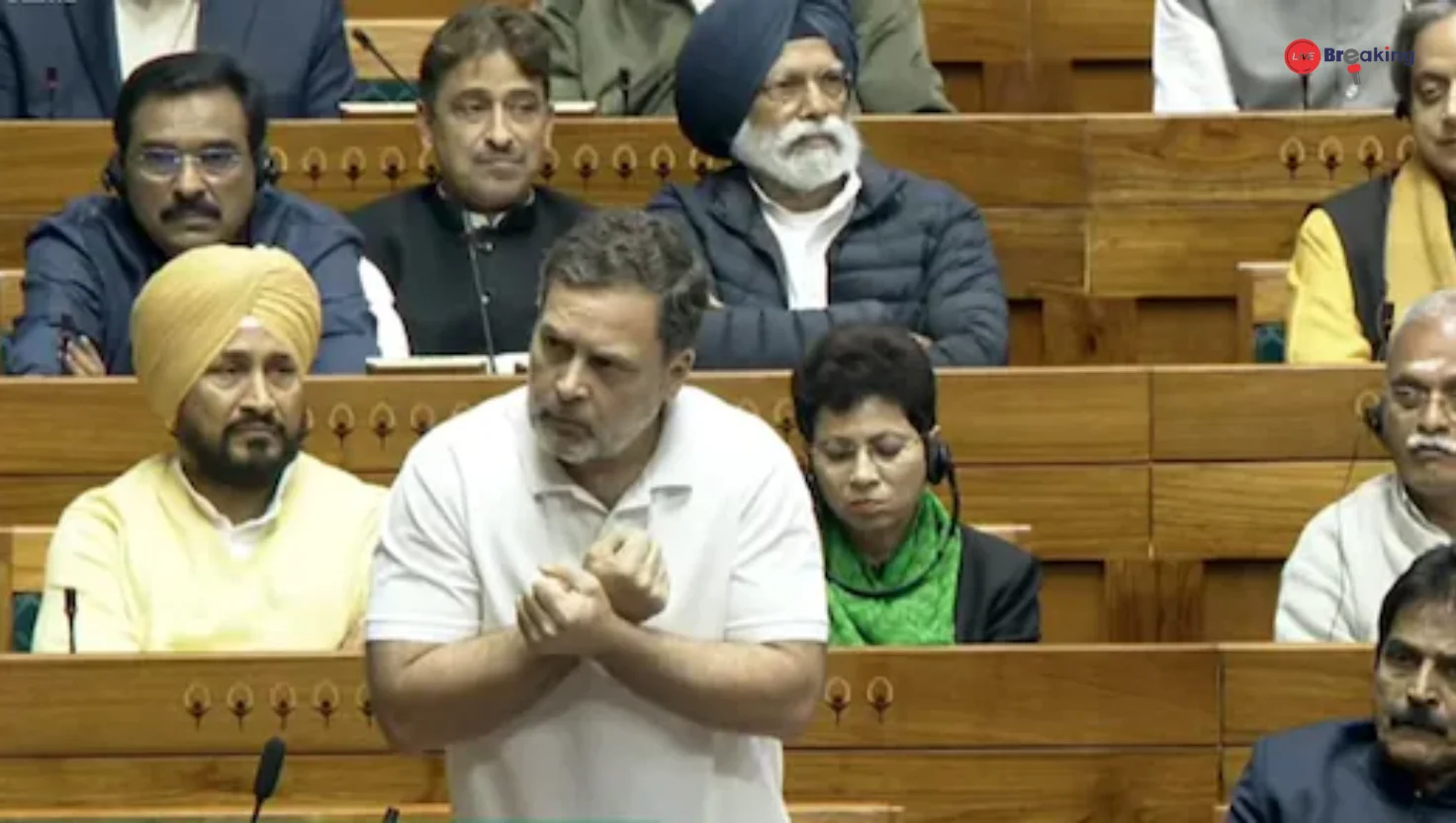
Rahul Gandhi Slams Centre in Lok Sabha: “Sold Bharat Mata, Have You No Shame?” Over India–US Trade Deal
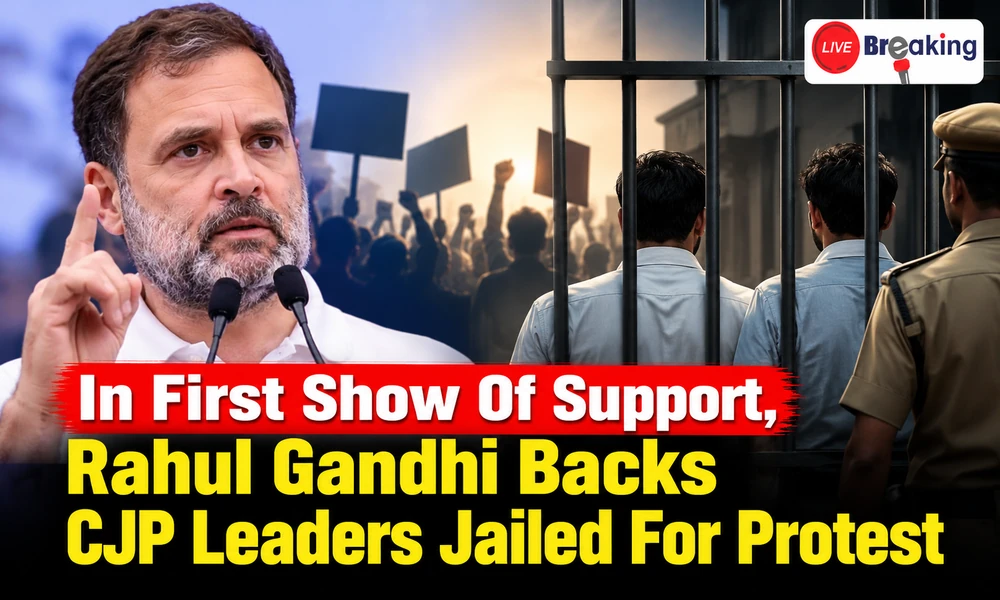
In a dramatic and emotionally charged moment inside Parliament, Congress leader Rahul Gandhi launched a scathing attack on the Centre during a debate on the India–US trade deal. Speaking in the Lok Sabha, Gandhi accused the government of compromising national interests, declaring, “You have sold Bharat Mata. Have you no shame?”
The remark triggered sharp reactions from treasury benches, intensifying an already heated discussion on trade policy, economic sovereignty, and foreign relations.
The Context: India–US Trade Deal Under Scrutiny
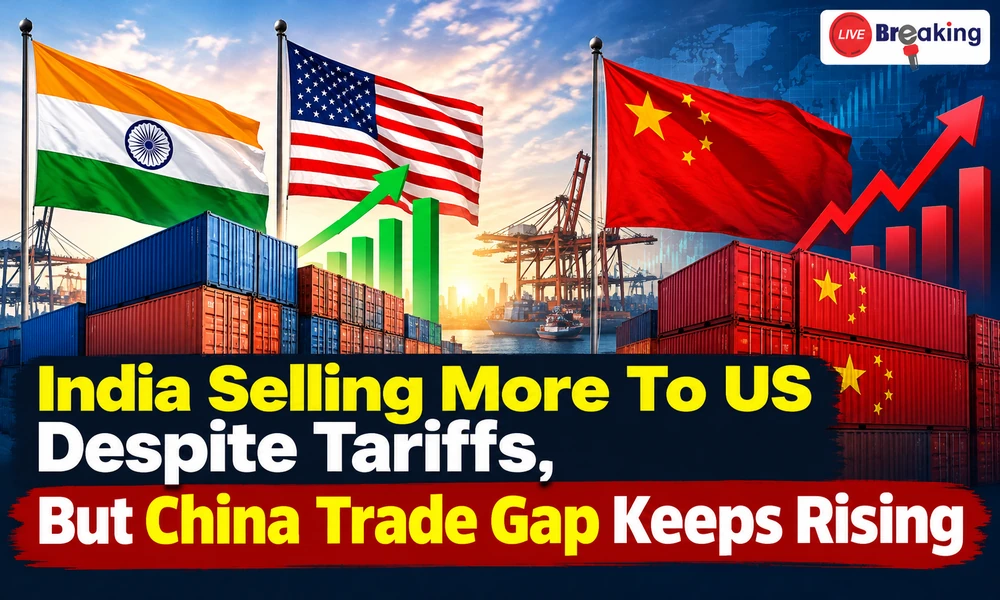
The debate centered around the recently discussed trade engagement between India and the United States. While the government has projected the deal as a strategic and economic milestone, opposition leaders argue that it may disproportionately benefit American corporations while putting pressure on domestic sectors.
Gandhi questioned whether the agreement adequately safeguards Indian farmers, small manufacturers, and local industries. According to him, trade negotiations must prioritize national interest and long-term economic stability rather than short-term diplomatic gains.
He alleged that certain policy concessions could expose vulnerable sectors to increased competition without sufficient protection mechanisms. The Congress leader framed his argument as a defense of economic nationalism, invoking the phrase “Bharat Mata” to underline what he described as a moral responsibility toward the nation.
Rahul Gandhi’s Key Arguments in Parliament
During his address, Rahul Gandhi made several pointed observations:
-
Concerns over domestic industries: He claimed that small businesses and farmers might suffer if market access terms favor large foreign corporations.
-
Transparency in negotiations: Gandhi demanded greater clarity on the terms of the agreement and whether Parliament had been fully informed.
-
Economic sovereignty: He emphasized that trade partnerships should not compromise India’s decision-making autonomy.
His speech frequently drew interruptions from ruling party members, who accused him of misrepresenting facts and politicizing a strategic partnership.
Government’s Response
Members from the ruling alliance strongly rejected Gandhi’s allegations. They defended the trade engagement as a carefully negotiated agreement designed to strengthen bilateral ties and create economic opportunities.
Government representatives argued that:
-
The trade deal aims to increase exports and attract investment.
-
Safeguards have been incorporated to protect critical sectors.
-
India’s global positioning benefits from deeper economic cooperation with major powers.
They also criticized the opposition for what they termed “alarmist rhetoric” and insisted that national interest remains paramount in all negotiations.
Political Impact and Public Reaction
The exchange quickly gained traction beyond Parliament. Clips of the speech circulated widely on social media, with supporters praising Gandhi’s assertive tone while critics labeled the remark as excessive and theatrical.
The phrase “Sold Bharat Mata” became a trending topic, reflecting the polarization surrounding trade policy debates. Political analysts suggest that the confrontation signals a more aggressive posture from the opposition as upcoming electoral battles approach.
Observers note that economic agreements often become flashpoints in political discourse, particularly when issues of sovereignty and national pride are invoked.
Read more: 10-Crore Lamborghini “Had Issue Day Before Crash”: Tobacco Baron Big Claim
Broader Implications for India–US Relations
India’s relationship with the United States has deepened across defense, technology, and trade sectors in recent years. Any parliamentary debate over such agreements reflects the democratic scrutiny that accompanies major policy decisions.
While disagreements in Parliament are not unusual, the intensity of this exchange underscores the sensitivity of trade negotiations. Economic policy remains one of the most politically charged arenas in contemporary Indian politics.
The coming weeks may see further clarifications from the government regarding the finer details of the agreement, as opposition leaders continue pressing for transparency.
FAQs
What did Rahul Gandhi say in the Lok Sabha?
Rahul Gandhi accused the Centre of compromising national interest during the India–US trade discussions, stating, “You have sold Bharat Mata. Have you no shame?” His remark was aimed at questioning the government’s handling of the trade agreement.
Read more: Himanta Biswa Sarma vs Gaurav Gogoi After Bombshell Report In Pak Links Case
Why is the India–US trade deal controversial?
Opposition leaders argue that certain provisions could impact domestic industries and farmers. The government, however, maintains that the agreement will boost exports and strengthen economic ties.
How did the government respond to Rahul Gandhi’s remarks?
Ruling party members rejected the allegations, stating that the deal was negotiated responsibly and safeguards India’s interests.
What is the significance of this debate?
The debate reflects broader concerns about economic sovereignty, transparency in trade negotiations, and political positioning ahead of future elections.