Out With Old, In With the New: Lawrence Bishnoi’s Mumbai Underworld Power Play
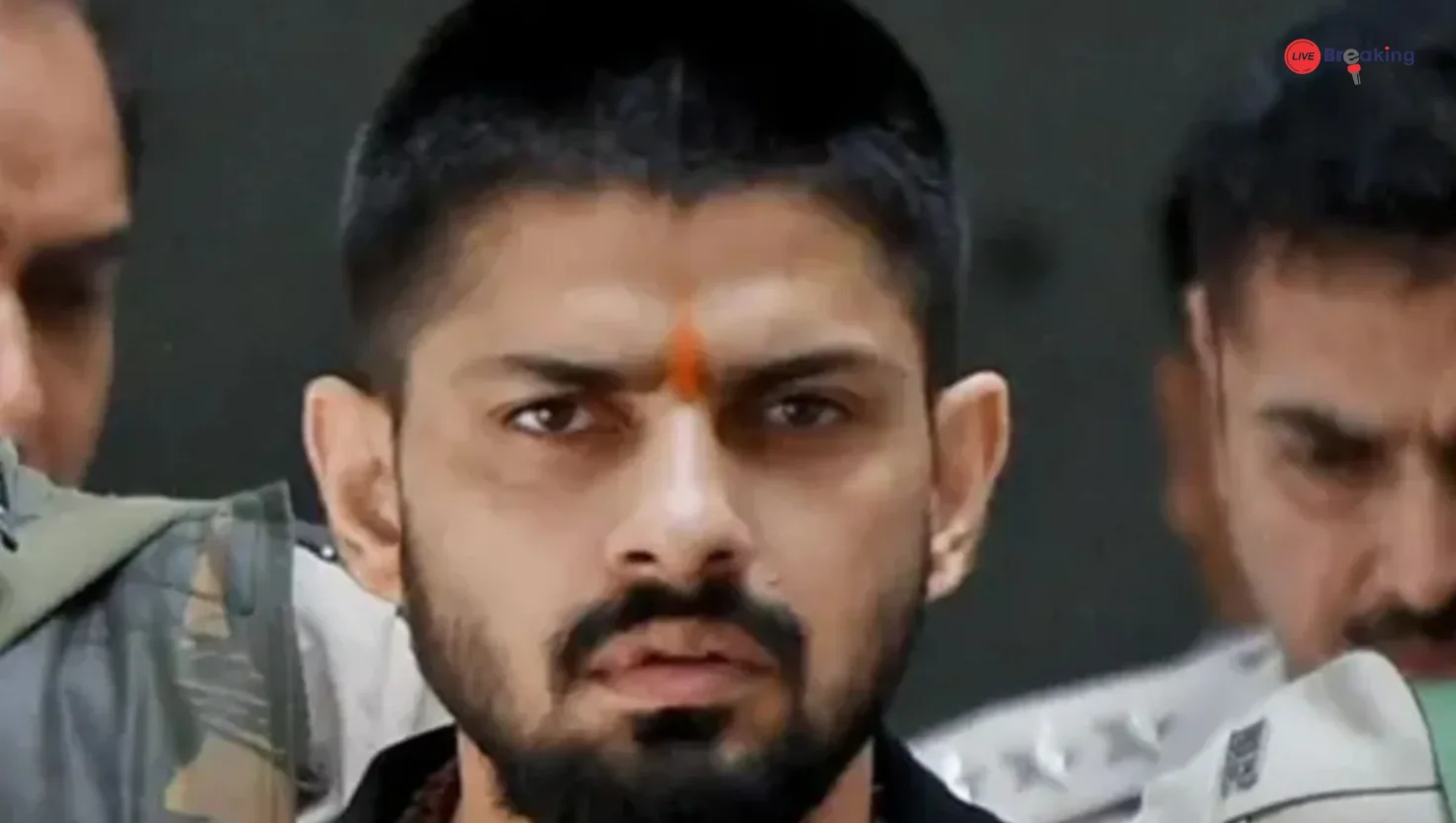
The Mumbai underworld, once dominated by legendary crime syndicates and notorious dons, is undergoing a silent yet significant transformation. The old hierarchy that defined organized crime in India’s financial capital for decades is gradually giving way to a new, more decentralized, and digitally connected power structure. At the center of this shift is Lawrence Bishnoi, a name that has increasingly appeared in headlines, police dossiers, and intelligence reports.
According to recent reports, including an investigation by NDTV, Bishnoi’s influence is no longer limited to northern India. From behind bars, he is believed to be orchestrating a calculated expansion into Mumbai — a city historically considered the ultimate prize in India’s organized crime landscape.
The End of the Old Mumbai Underworld Era
For years, Mumbai’s underworld was synonymous with large, centralized syndicates that controlled extortion, smuggling, and real estate rackets. Names of past crime bosses carried an aura of fear and myth, built on territorial dominance and street-level muscle power.
However, sustained crackdowns by Indian law enforcement agencies, stricter financial surveillance, and international cooperation have weakened these traditional networks. Many senior figures are either incarcerated, living abroad, or no longer command the same loyalty they once did.
This vacuum has created an opportunity — one that newer players like Bishnoi appear ready to exploit.
Lawrence Bishnoi’s Strategic Power Play
Unlike traditional Mumbai dons, Bishnoi’s rise has followed a different script. His network reportedly relies on younger operatives, digital communication, and cross-state alliances rather than overt territorial control.
Despite being lodged in high-security prisons, Bishnoi is alleged to run operations using encrypted messaging, trusted lieutenants, and a web of associates spread across multiple states. Investigators believe this structure makes his syndicate harder to dismantle, as it lacks a single visible center.
Read more: 8 Opposition MPs Suspended For Throwing Papers At Chair In Lok Sabha, BJP Says ‘Utter Disrespect’
Mumbai, with its economic power and symbolic value, fits perfectly into this expansion strategy. Control or influence in the city not only brings financial gains but also elevates a gangster’s national profile.
Why Mumbai Still Matters
Mumbai remains a critical hub for organized crime due to its massive real estate market, Bollywood connections, and financial infrastructure. Even partial influence in the city can translate into significant leverage.
Security agencies suspect that Bishnoi’s group is attempting to integrate into existing local networks rather than replacing them outright. This approach allows the gang to minimize attention while steadily increasing control — a sharp contrast to the flamboyant and violent takeovers of the past.
Law Enforcement on High Alert
Indian law enforcement agencies are acutely aware of this shifting dynamic. Mumbai Police, along with central agencies, are closely monitoring communication trails, financial transactions, and known associates linked to Bishnoi.
Authorities say the challenge lies not just in arresting individuals but in dismantling an ecosystem that thrives on anonymity, technology, and interstate operations. The emphasis has now shifted toward intelligence-led policing and coordinated crackdowns across states.
A New Underworld Model
What sets Bishnoi apart is not just ambition, but adaptation. The modern underworld appears less visible, less centralized, and more network-driven. Violence, while still a tool, is often used selectively — primarily to send signals rather than dominate territory.
Read more: New Panel To Review Impact Of AI On Services Sector: Nirmala Sitharaman
This evolution reflects broader changes in crime itself. As cities modernize and surveillance increases, criminal networks adapt by becoming leaner, quieter, and more strategic.
What Lies Ahead for Mumbai?
Whether Lawrence Bishnoi can truly establish long-term influence in Mumbai remains to be seen. Law enforcement pressure is intense, and public scrutiny has never been higher. Yet, the very fact that his name is being linked to Mumbai’s underworld transition signals a deeper shift underway.
The era of old-school dons ruling from the shadows of Mumbai may be fading. In its place is a new generation of crime bosses — remote, tech-savvy, and operating across borders. For Mumbai, the battle is no longer just about controlling streets, but about staying ahead in an increasingly complex and digital underworld.
FAQs
Q1. Who is Lawrence Bishnoi?
Lawrence Bishnoi is an Indian gangster known for running an extensive criminal network across multiple states, allegedly even while incarcerated.
Read more: Sunetra Pawar Takes Oath as Maharashtra First Woman Deputy Chief Minister, Historic Milestone
Q2. Why is Mumbai important for underworld gangs?
Mumbai offers access to lucrative businesses, real estate, and influence in entertainment and finance, making it a prime target for organized crime.
Q3. Is the old Mumbai underworld finished?
While not entirely gone, traditional syndicates have weakened significantly due to sustained law enforcement action and changing crime dynamics.
Q4. How do modern gangs operate differently?
Modern gangs rely more on technology, decentralized networks, and interstate coordination rather than visible territorial control.