Election Results 2025: BJP, JDU Bihar Clean Sweep Powered By Caste Matrix Boost, Muslim + Yadav Push
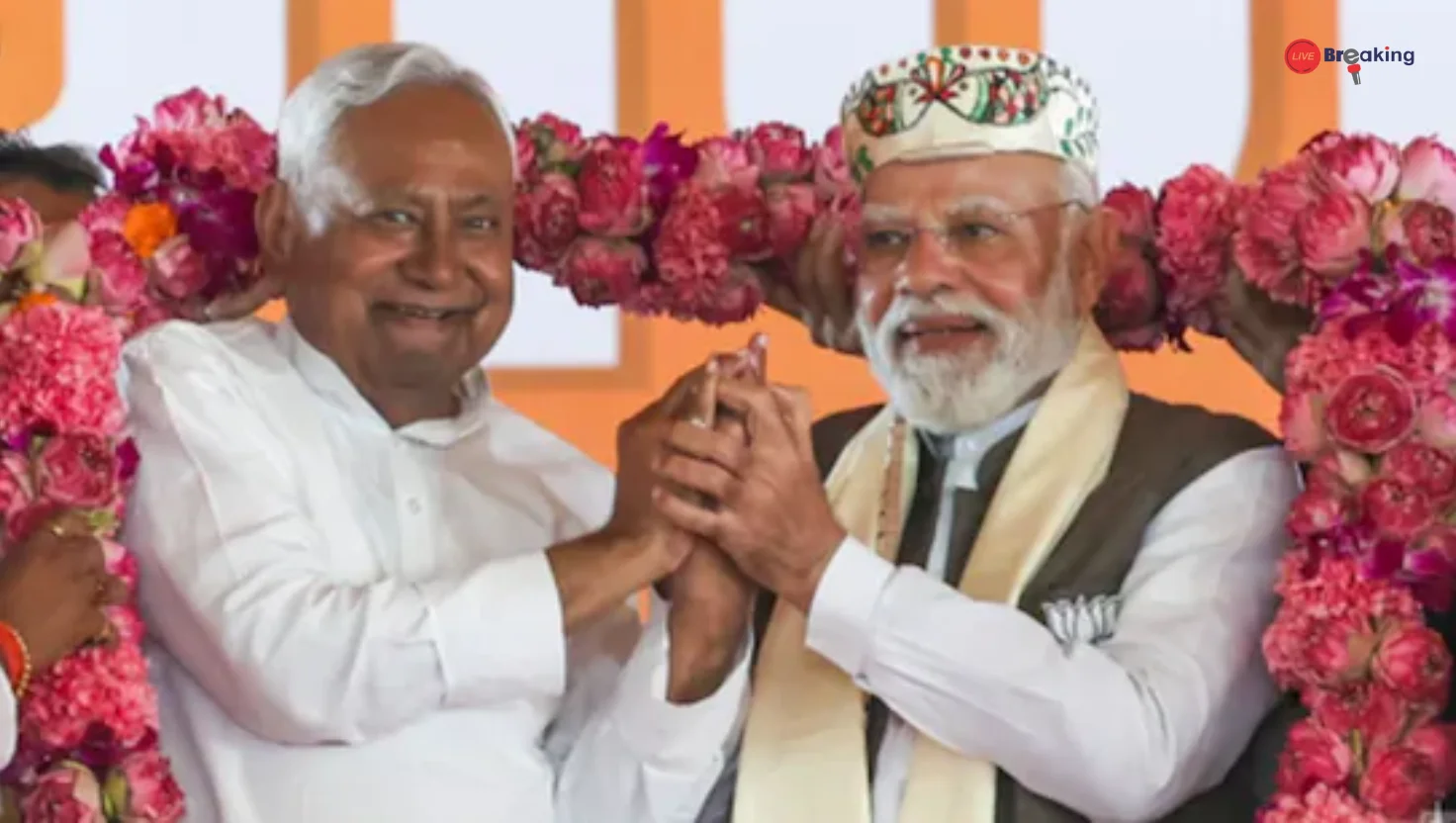
Election Results 2025 have delivered a dramatic and decisive mandate, with the BJP–JDU alliance sweeping the state and rewriting the political arithmetic that has governed Bihar for decades. What was initially seen as a competitive electoral arena quickly turned into a one-sided mandate as the ruling alliance executed a blend of caste strategy, welfare messaging, and new social coalitions that resonated across the state. The biggest takeaway from the results is the significant shift in voter behaviour, especially the growing support from Muslim and Yadav communities—traditionally considered strong vote banks of the opposition.
The clean sweep has not only strengthened the alliance’s political hold but has also altered the deeper social equations that define Bihar’s electoral landscape.
Caste Matrix Recalibrated: The Strategy That Changed Everything
Bihar’s political heartbeat has always been caste dynamics. Over the years, alliances have risen and fallen based on how successfully they could mobilize critical caste clusters. In 2025, the BJP–JDU combine displayed a sharp understanding of this landscape, deploying a recalibrated caste matrix that reached every demographic tier—upper castes, OBCs, EBCs, Dalits, and now even sections of communities once considered unreachable.
The NDA alliance widened its appeal among the Extremely Backward Classes (EBCs), who form one of the largest blocks of voters in the state. Government schemes targeting livelihood improvement, education, women’s empowerment, and rural job creation created a robust loyalty among these communities. Simultaneously, the alliance maintained its core support from upper castes and non-Yadav OBCs—a segment that has remained strongly aligned with the BJP for years.
What makes this election different is the extent of consolidation. The alliance successfully fused traditional support bases with newly cultivated ones, positioning itself as a stable, development-focused alternative in a state fatigued by years of political fragmentation.
A Surprising Minority and Yadav Backing Strengthens the Wave
One of the most surprising and significant outcomes of the 2025 results is the noticeable shift among Muslim and Yadav voters. Historically aligned with opposition parties—particularly RJD—the gradual churning within these communities became visible over the last few years.
A combination of factors contributed to this shift. Targeted welfare programs, local-level outreach by JDU cadres, and a growing sentiment for socio-economic stability created an openness toward the ruling alliance. Many voters across minority-dominated constituencies prioritized development, safety, and educational opportunities over identity-based appeals. This was further complemented by the alliance’s attempt to soften its image through inclusive messaging and dialogue-based politics.
Read more: Delhi Blast Triggers Panic After Massive Explosives Cache Found in Faridabad
Similarly, a portion of the Yadav vote—once seen as the unshakeable foundation of the opposition—showed signs of diversification. Younger Yadav voters, especially those seeking employment and entrepreneurship opportunities, were more responsive to the BJP–JDU economic narrative than in previous elections. This demographic transition played a crucial role in driving the momentum in several key constituencies.
Leadership Synergy: Why the Alliance Message Worked
The leadership synergy between the BJP and JDU also proved decisive. A unified, consistent message focused on governance, development, and law-and-order reassured voters about the stability of the alliance. There was no visible internal conflict, no mixed messaging, and no last-minute surprises—factors that often derail coalitions in Bihar.
The leadership projected confidence and clarity, emphasizing improved infrastructure, women’s welfare schemes, and Bihar’s upward trajectory in social indicators. This helped counter the opposition’s narrative and positioned the alliance as the more reliable choice for the future.
Opposition Fragmented, Message Failed to Connect
While the alliance consolidated support, the opposition struggled to present a cohesive alternative. Internal fragmentation, unclear messaging, and lack of new leadership faces weakened their connect with the youth and first-time voters. The inability to counter the caste realignment narrative or present a developmental roadmap ultimately cost them the mandate.
Read more: Top Court Offers Assurance to Air India Pilot Father: ‘Let Go of the Burden’
A Mandate That Redraws Bihar’s Political Map
The 2025 Bihar election results are more than just a clean sweep—they signal a reconfiguration of the state’s political structure. The BJP–JDU alliance has tapped into a broader, more diverse voter base than ever before, bridging traditional divides and forging new ones. With minority and Yadav support adding an unexpected boost, the alliance has cemented its position for the foreseeable future.
As Bihar steps into a new political chapter, the challenge ahead will be turning this sweeping mandate into sustainable development and long-term stability—something voters clearly expect from the leadership they have overwhelmingly endorsed.