

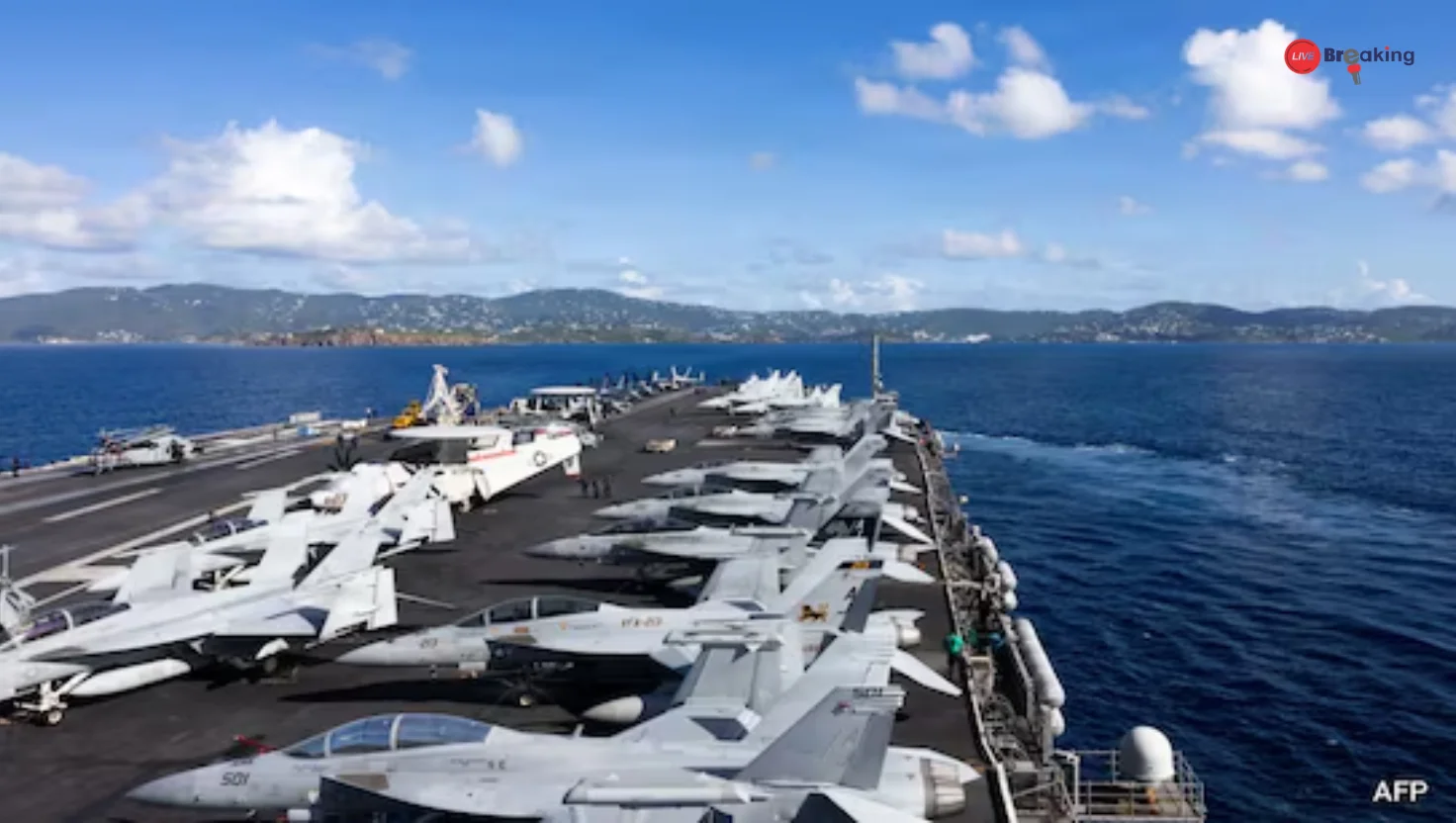
What Happens If Iran War Actually Ends In 2 Weeks: The Challenges Ahead
The possibility that the ongoing Iran war could end within just two weeks has sparked global optimism. Statements from leaders suggest a rapid conclusion may be near, but experts warn that even if the fighting stops, the consequences will linger far longer.
The war has already disrupted global oil supply chains, shaken financial markets, and created geopolitical uncertainty. Ending the conflict quickly may stop further damage—but it will not instantly repair what has already been broken.
A War Ending Doesn’t Mean Immediate Recovery
Even if the conflict stops within two weeks, recovery will take significantly longer. Analysts estimate that oil markets alone may need 6 to 8 weeks to normalize after the war ends.
This delay happens because of:
- Tankers stuck in transit
- Supply chain disruptions
- Insurance and shipping risks
- Damaged infrastructure
In fact, experts say that every extra week of war adds 7–14 days of recovery time, creating a ripple effect across global markets.
The Strait of Hormuz – The Biggest Bottleneck
One of the biggest challenges lies in reopening the Strait of Hormuz, a critical route through which nearly 20% of the world’s oil supply passes.
Why It Matters:
- A blockage has already halted tanker traffic
- Oil shipments dropped drastically
- Global prices surged dramatically
Even if the war ends, reopening the Strait is not automatic. Political tensions, security concerns, and damaged shipping confidence could delay normal operations.
Global Oil Prices May Stay High
One of the biggest misconceptions is that oil prices will immediately fall after the war ends.
However, experts—including European energy officials—warn that prices may remain volatile for weeks or even months.
Key Reasons:
- Supply shortages persist
- Demand remains high
- Market uncertainty continues
In fact, the war has already triggered one of the largest oil supply disruptions in history, with millions of barrels missing from global supply chains.
Economic Impact Will Outlast the War
The economic consequences of the Iran conflict could last far beyond the battlefield.
Major Global Effects:
- Inflation spikes due to fuel costs
- Rising transportation and food prices
- Stock market volatility
- Increased risk of recession
Experts warn that the situation could go in two directions:
| Scenario | Outcome |
|---|---|
| Peace stabilizes supply | Oil prices fall, global growth improves |
| Disruptions continue | Oil spikes above $150, recession risk increases |
Supply Chain Shock Will Take Time to Heal
The war has severely disrupted global logistics, especially energy transportation.
Read More: “Today’s Your Last Working Day”: Oracle Layoffs Revive A Fear Bengaluru Flats Knew
Key Issues:
- Tankers stranded or rerouted
- Insurance costs skyrocketing
- Shipping delays across regions
Even after peace, companies will need time to:
- Rebuild trust in safe shipping routes
- Restore contracts and logistics networks
- Stabilize freight pricing
This means everyday sectors—from airlines to food supply—will feel the impact.
Secondary Conflict Zones Add More Risk
The Iran war is not isolated. Other regions like the Bab al-Mandab Strait have also come under threat, creating a two-sided choke point for global trade.
This increases the risk that:
- Trade routes remain unstable
- Insurance premiums stay high
- Military tensions continue even after official war ends
Political and Strategic Uncertainty
Even if the war ends quickly, geopolitical tensions will remain.
Key Concerns:
- Will Iran reopen trade routes fully?
- Will global powers intervene again?
- Will sanctions continue?
Read More: US Drops 900-kg Bunker Buster Bomb on Iran Isfahan – Full Analysis, Impact & Global Reactions
Statements suggesting countries should “secure their own oil” indicate a shift toward less coordinated global response, which could worsen instability.
Industries That Will Feel Immediate Impact
Several industries are directly affected:
1. Aviation
Airlines may face higher fuel costs and potential disruptions.
2. Transportation
Freight and logistics costs will rise globally.
3. Manufacturing
Higher energy prices will increase production costs.
Read more: Married Man in Live-In Relationship: Allahabad High Court Gives Contrasting Judgments in Two Cases
4. Agriculture
Fertilizer and fuel disruptions could impact food supply chains.
Timeline of Recovery After War Ends
| Phase | Timeframe | What Happens |
|---|---|---|
| War Ends | Week 0–2 | Ceasefire, uncertainty remains |
| Initial Recovery | Week 2–4 | Limited shipping resumes |
| Market Adjustment | Week 4–8 | Oil supply improves |
| Stabilization | After 2 months | Prices and logistics normalize |
The Bigger Picture – A Fragile Global System
The Iran war has exposed how dependent the world is on a few critical routes and regions.
Even a short conflict has:
- Shaken global energy systems
- Disrupted trade flows
- Increased economic vulnerability
This highlights the urgent need for:
- Diversified energy sources
- Alternative shipping routes
- Stronger global cooperation
Read more: Plane and Truck Collision at LaGuardia Airport: Multiple Injuries Reported in New York
FAQs
Q1: Will oil prices drop immediately after the Iran war ends?
No. Experts say it may take 6–8 weeks or longer for oil supply to normalize and prices to stabilize.
Q2: Why is the Strait of Hormuz so important?
It carries about 20% of global oil supply, making it one of the most critical trade routes in the world.
Q3: Can the global economy recover quickly?
Recovery will be gradual. Inflation, supply disruptions, and uncertainty may persist for months.
Q4: What is the biggest challenge after the war ends?
Restoring global oil supply chains and stabilizing energy markets will be the biggest challenge.
Q5: Could a recession still happen?
Yes. If disruptions continue or oil prices remain high, the risk of a global recession increases.
Conclusion
Ending the Iran war within two weeks may stop further destruction, but it will not instantly solve the crisis it has created. From oil supply disruptions to economic instability, the world will continue to deal with the aftershocks long after the fighting stops.
The real challenge is not ending the war—it’s rebuilding stability in a deeply interconnected and fragile global system.