The ‘Chai-Biscuit’ Bloat: Why Your Evening Tea Habit May Be Damaging Your Gut During the Monsoon
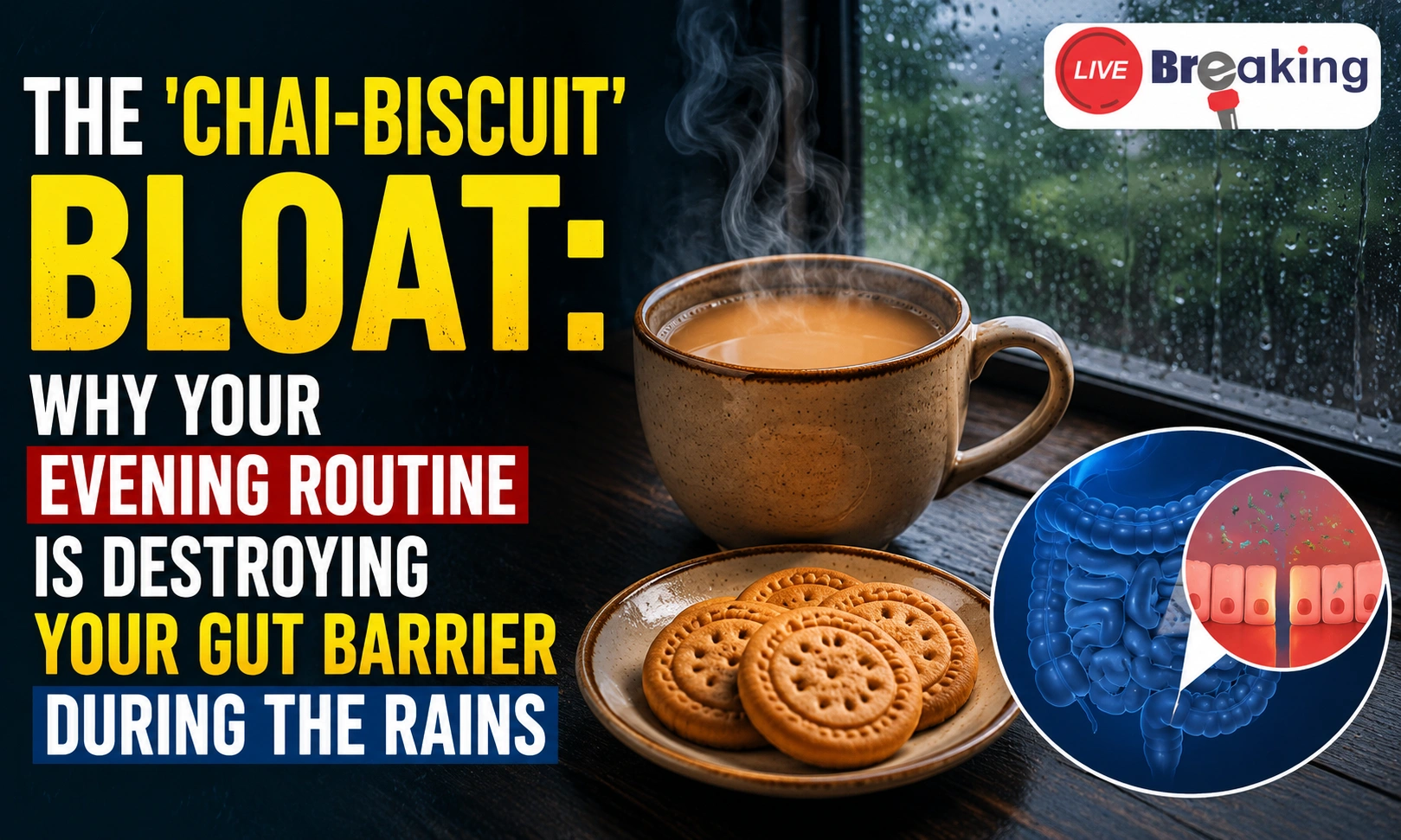
For millions of Indians, evenings feel incomplete without a hot cup of chai paired with crunchy biscuits. While this comforting ritual offers warmth and relaxation—especially during the monsoon—it may be quietly harming your digestive system. Health experts are now highlighting that the common chai-and-biscuit combination, when consumed regularly during the rainy season, can contribute to bloating, inflammation, and even weaken the gut barrier.
The monsoon naturally slows digestion due to changes in humidity, temperature, and the body’s metabolism. Adding processed biscuits loaded with refined flour, sugar, unhealthy fats, and preservatives to a cup of tea may further strain your digestive system. If you’ve ever experienced heaviness, gas, or discomfort after your evening tea break, your daily routine could be the reason.
Let’s understand why this happens and how you can protect your gut during the rainy season.
Why Does Digestion Slow Down During The Monsoon?
The rainy season affects more than just the weather—it also impacts your digestive health. Increased humidity and fluctuating temperatures reduce digestive efficiency, making the stomach more sensitive.
Several factors contribute to this:
- Reduced digestive fire (Agni), as described in Ayurveda
- Increased growth of bacteria and fungi in humid weather
- Lower physical activity during rainy days
- Higher consumption of fried and processed snacks
- Increased risk of food contamination
When digestion slows, foods remain in the digestive tract for longer, leading to fermentation, gas formation, acidity, and bloating.
Why Is The Chai-Biscuit Combination Harmful?
Although tea itself contains antioxidants, pairing it with processed biscuits creates an unhealthy combination.
Here’s why:
1. Refined Flour (Maida)
Most commercially available biscuits are made with refined flour, which contains very little fiber. Lack of fiber slows digestion and feeds harmful gut bacteria instead of beneficial microbes.
2. High Sugar Content
Sugar encourages the growth of unhealthy bacteria inside the intestines. Excessive sugar intake also increases inflammation that can weaken the intestinal lining.
3. Unhealthy Fats
Many packaged biscuits contain palm oil or hydrogenated fats, which may increase inflammation and negatively affect gut health.
4. Tea Can Increase Acidity
Strong milk tea on an empty stomach or alongside sugary snacks may increase stomach acidity in sensitive individuals, causing discomfort and bloating.
What Is The Gut Barrier And Why Is It Important?
The gut barrier is a protective lining inside your intestines that acts like a security checkpoint. It allows nutrients to enter your bloodstream while blocking harmful bacteria, toxins, and pathogens.
A healthy gut barrier helps:
- Absorb nutrients efficiently
- Strengthen immunity
- Reduce inflammation
- Improve digestion
- Support mental health through the gut-brain connection
However, repeated inflammation, unhealthy eating habits, stress, and processed foods can damage this protective layer.
Signs Your Gut Barrier May Be Under Stress
If your digestive system isn’t functioning properly, your body often sends warning signals.
Read More: Papaya vs Pineapple for Glowing Skin: Which Fruit Truly Works Better?
Common symptoms include:
- Frequent bloating
- Excess gas
- Indigestion
- Constipation
- Loose stools
- Fatigue after meals
- Food sensitivities
- Acid reflux
- Stomach discomfort
Ignoring these symptoms over time may contribute to chronic digestive issues.
Foods That Can Support Gut Health During The Rainy Season
Instead of relying on processed biscuits, choose foods that nourish your digestive system.
| Food | Benefits For Gut Health |
|---|---|
| Roasted makhana | High in fiber and antioxidants |
| Handful of nuts | Healthy fats support digestion |
| Fresh fruits | Rich in vitamins and prebiotic fiber |
| Sprouts | Improve beneficial gut bacteria |
| Homemade poha | Easy to digest |
| Khakhra | Better alternative to fried snacks |
| Roasted chana | High protein and fiber |
| Yogurt (fresh) | Natural probiotics when consumed safely |
Healthier Alternatives To Your Evening Chai Routine
You don’t necessarily have to stop drinking tea. Instead, improve what you eat with it.
Healthy pairings include:
- Herbal tea with roasted nuts
- Green tea with fruits
- Ginger tea with roasted chana
- Lemon tea with sprouts
- Unsweetened tea with homemade millet crackers
- Turmeric milk with makhana
These combinations reduce digestive stress while providing nutrients that support gut health.
Lifestyle Tips To Keep Your Gut Healthy During Monsoon
Small lifestyle changes can significantly improve digestion.
Drink Enough Water
Many people drink less water during rainy weather, leading to constipation and sluggish digestion.
Eat Freshly Cooked Meals
Avoid stale food since bacterial growth increases during humid weather.
Include Fiber
Whole grains, vegetables, fruits, and legumes improve bowel movements and feed healthy gut bacteria.
Stay Active
A 20–30 minute walk after meals can enhance digestion and reduce bloating.
Manage Stress
Stress directly affects the gut through the gut-brain axis. Meditation, yoga, and adequate sleep help maintain digestive balance.
Should You Completely Avoid Biscuits?
Not necessarily. Occasional consumption is unlikely to cause significant harm for most healthy individuals. However, eating sugary, processed biscuits every evening can gradually contribute to poor gut health, especially when combined with a sedentary lifestyle and unhealthy eating habits.
If you enjoy biscuits with tea:
- Choose whole-grain varieties
- Look for high-fiber options
- Avoid cream-filled biscuits
- Limit portion sizes
- Read ingredient labels carefully
Moderation is the key.
Read More: World Lung Cancer Day 2026: Raising Awareness for Early Detection and Better Lung Health
The Bottom Line
The comforting tradition of evening chai with biscuits may seem harmless, but during the monsoon it can become a hidden contributor to digestive discomfort and poor gut health. Processed biscuits rich in refined flour, sugar, and unhealthy fats can increase bloating and inflammation, while the rainy season itself naturally slows digestion.
Replacing processed snacks with fiber-rich, homemade, and minimally processed alternatives can make a significant difference. Along with staying hydrated, eating fresh meals, and maintaining an active lifestyle, these simple changes can help protect your gut barrier and improve overall well-being.
The next time you prepare your evening cup of tea, consider choosing foods that nourish your body instead of merely satisfying your cravings.
Quick Comparison Table
| Habit | Impact on Gut | Better Alternative |
|---|---|---|
| Chai + sugary biscuits | Bloating and inflammation | Chai + roasted makhana |
| Cream biscuits | High sugar and unhealthy fats | Whole-grain crackers |
| Fried snacks | Heavy digestion | Roasted chana |
| Sugary tea | Increased calories | Less sugar or jaggery (in moderation) |
| Sedentary evening | Slow digestion | 20-minute walk after tea |
FAQ
Q1. Why does chai with biscuits cause bloating?
Processed biscuits contain refined flour, sugar, and unhealthy fats that can slow digestion and promote gas formation, particularly during the monsoon.
Q2. Is tea bad for gut health?
Tea itself is not harmful and contains beneficial antioxidants. Problems often arise when it is consumed with processed, sugary snacks or in excess.
Read More: Caffeine In Evening May Affect Quality Of Night-Time Sleep, Study Finds
Q3. What foods improve gut health during the rainy season?
Roasted makhana, fruits, sprouts, yogurt (when fresh and safely prepared), roasted chana, nuts, and fiber-rich homemade snacks support healthy digestion.
Q4. How can I reduce bloating after evening tea?
Eat smaller portions, avoid processed biscuits, drink enough water, stay active, and choose high-fiber snacks with your tea.
Q5. Can unhealthy eating damage the gut barrier?
A long-term diet high in processed foods, sugar, and unhealthy fats may contribute to inflammation that can weaken the gut barrier over time.
Like this post?