What Is Orbiting? When Someone Stops Talking To You But Never Stops Watching Your Stories – Understanding Modern Dating Trends, Social Media Dating Terms, and Breadcrumbing vs Orbiting
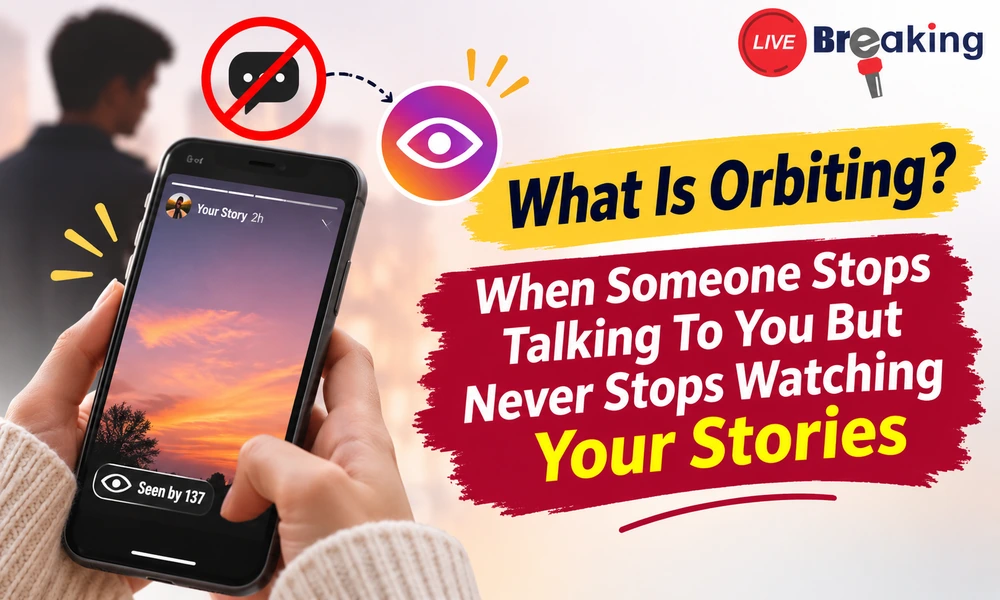
Imagine someone you were talking to suddenly stops replying to your messages. There are no more phone calls, no weekend plans and no meaningful conversations. You assume that the connection has ended, but then you notice something strange: their name keeps appearing in your Instagram Story viewers.
They do not text you, but they watch your updates. They do not ask how you are doing, but they occasionally like your photographs. They seem to have disappeared from your personal life while remaining surprisingly active in your digital world.
Welcome to the world of orbiting, one of the increasingly discussed social media dating terms shaping modern relationships.
In today’s digital age, ending communication does not always mean completely disappearing. Social media allows people to maintain a connection from a distance, even when they have no intention of having a direct conversation. This behaviour can leave the other person confused, wondering whether the individual is still interested or simply keeping an eye on their life.
What Is Orbiting in Modern Dating?
Orbiting is a modern dating behaviour in which someone stops communicating with you directly but continues interacting with or watching your social media activity.
The term became popular following writer Anna Iovine’s 2018 discussion of this dating phenomenon.
For example, someone you previously dated might stop responding to your WhatsApp messages but continue watching your Instagram Stories every day. They might like your new photographs, view your Snapchat updates or occasionally react to your posts without making any genuine effort to reconnect.
The word ‘orbiting’ comes from the idea of an object moving around another object without actually getting closer. Similarly, the person remains somewhere in your social media circle but does not become part of your everyday life.
What makes this behaviour confusing is the mixed signal it creates. Their online presence might suggest curiosity, but their lack of communication indicates emotional or conversational distance.
However, it is important to remember that watching someone’s Story does not automatically mean romantic interest. Sometimes people simply scroll through social media out of habit.
7 Common Signs Someone Is Orbiting You
How do you recognise whether someone is orbiting you? Although every situation is different, certain online behaviours may indicate this pattern.
1. They Watch Almost Every Instagram Story
One of the most noticeable signs is someone consistently viewing your Instagram Stories despite having stopped talking to you.
They may never initiate a conversation, but their username frequently appears in your viewers list.
2. They Like Your Posts but Never Send a Message
They might occasionally like your photographs, react with emojis or engage with your updates.
However, these small digital interactions never develop into an actual conversation.
3. They Disappeared Without Explaining Why
Perhaps you were regularly communicating before they suddenly stopped replying. Instead of explaining what happened, they simply withdrew from your conversations.
Yet their social media activity continues.
4. They Suddenly Reappear Through Notifications
After weeks of silence, you receive a notification that they liked your photograph or reacted to an old update.
These unexpected interactions can make you wonder whether they are thinking about reconnecting.
5. They Keep Following Your Life From a Distance
They may regularly view your travel photographs, celebrations, professional achievements and everyday updates without asking about them.
It creates the impression that they want to remain aware of your life without participating in it.
6. They Avoid Meaningful Conversations
Even if you occasionally exchange a reaction or short message, they do not make an effort to discuss the relationship or establish where things stand.
7. Their Online Attention Never Turns Into Real Effort
This is perhaps the most important sign.
They might watch your Stories for months, but they never make plans, initiate meaningful communication or express a clear intention to reconnect.
Remember, one or two Story views are not enough to label someone an orbiter. Look for a repeated pattern rather than interpreting every notification as a hidden message.
Why Do People Orbit Instead of Communicating?
There is no single explanation for why someone chooses to orbit another person. Their motivations can differ depending on their personality, circumstances and the nature of the previous relationship.
Here are some possible reasons:
1. Curiosity: They might simply want to know what is happening in your life after the connection ends.
2. Habit: If they regularly watched your content before, continuing to view your Stories might become an automatic social media habit.
3. Uncertainty: Sometimes people are unsure whether they want to reconnect, so they maintain a passive online presence.
4. Low-effort attention: Watching a Story or liking a photograph requires very little effort compared with starting an honest conversation.
5. Avoiding uncomfortable conversations: Some people find it difficult to communicate their feelings, explain why they are losing interest or bring a relationship to a clear ending.
6. Keeping the connection open: In some situations, a person may want to remain loosely connected without making any commitment.
However, these are possible explanations, not established facts about any particular person’s intentions. Their social media behaviour alone cannot tell you what they are thinking.
Breadcrumbing vs Orbiting: What Is the Difference?
Breadcrumbing and orbiting are two popular modern dating terms that are often confused with each other.
Although both behaviours can create uncertainty, they are not exactly the same.
Breadcrumbing happens when someone offers occasional attention, flirtatious messages, compliments or vague promises to keep another person interested without developing a consistent relationship.
Orbiting, on the other hand, generally involves withdrawing from direct communication while continuing to watch or occasionally interact with someone’s social media activity.
Read More: Why Rage-Baiting Is the Toxic Love Language You Need to Avoid
For example, imagine someone repeatedly sends you messages such as, “I miss you” or “We should meet soon,” but never follows through with actual plans. This may be breadcrumbing.
Now imagine someone stops replying to your messages completely but watches every Instagram Story you upload. This is a typical example of orbiting.
Breadcrumbing vs Orbiting: Comparison Table
| Feature | Breadcrumbing | Orbiting |
|---|---|---|
| Communication | Occasional messages | Usually little or no direct communication |
| Social media activity | May involve likes and messages | Frequently involves watching Stories |
| Main behaviour | Giving inconsistent attention | Maintaining digital visibility |
| Emotional effect | Creates hope and uncertainty | Creates confusion and unanswered questions |
| Common example | Sending occasional flirty texts | Watching Stories without messaging |
| Relationship effort | Inconsistent | Usually minimal or absent |
Both behaviours can make it difficult to understand where a relationship stands. The important difference is that breadcrumbing involves occasional direct attention, whereas orbiting is generally characterised by passive digital presence.
Ghosting vs Orbiting: Understanding the Difference
Ghosting is another commonly discussed dating trend.
It happens when someone suddenly stops communicating without giving an explanation or clearly ending the connection.
Read more: Dating Red Flags You Shouldn’t Ignore, Warning Signs in Modern Relationships
Orbiting is slightly different because the person withdraws from direct communication but continues appearing through social media interactions.
| Dating Term | Meaning | Example |
|---|---|---|
| Ghosting | Suddenly disappearing from communication | Someone stops replying to all messages |
| Orbiting | Staying digitally visible without direct communication | Someone watches your Stories but never texts |
| Breadcrumbing | Giving occasional attention without commitment | Someone sends random flirty messages but avoids meeting |
In simple terms, ghosting creates silence, while orbiting combines silence with digital visibility.
This is why orbiting can sometimes feel more confusing. You know the person is still seeing your updates, but you have no clear understanding of why they are not communicating.
How Does Orbiting Affect Your Emotional Well-Being?
Although viewing a social media Story might appear harmless, repeated digital interactions can sometimes create emotional confusion.
You might start asking yourself questions such as:
-
Do they still miss me?
-
Are they checking whether I have moved on?
-
Do they regret ending the connection?
-
Are they waiting for me to message first?
-
Why do they watch everything but never talk?
These unanswered questions can encourage overthinking, particularly if you were emotionally invested in the connection.
You might even begin posting photographs or updates hoping that the other person will notice them. Gradually, their social media activity can start influencing your mood and expectations.
The healthiest approach is to separate online attention from genuine emotional availability.
Someone watching your Stories does not necessarily mean they want to rebuild a relationship. Meaningful interest requires communication, mutual effort and consistency.
What Should You Do If Someone Is Orbiting You?
If someone’s online behaviour is creating unnecessary confusion, you do not have to remain available to them digitally.
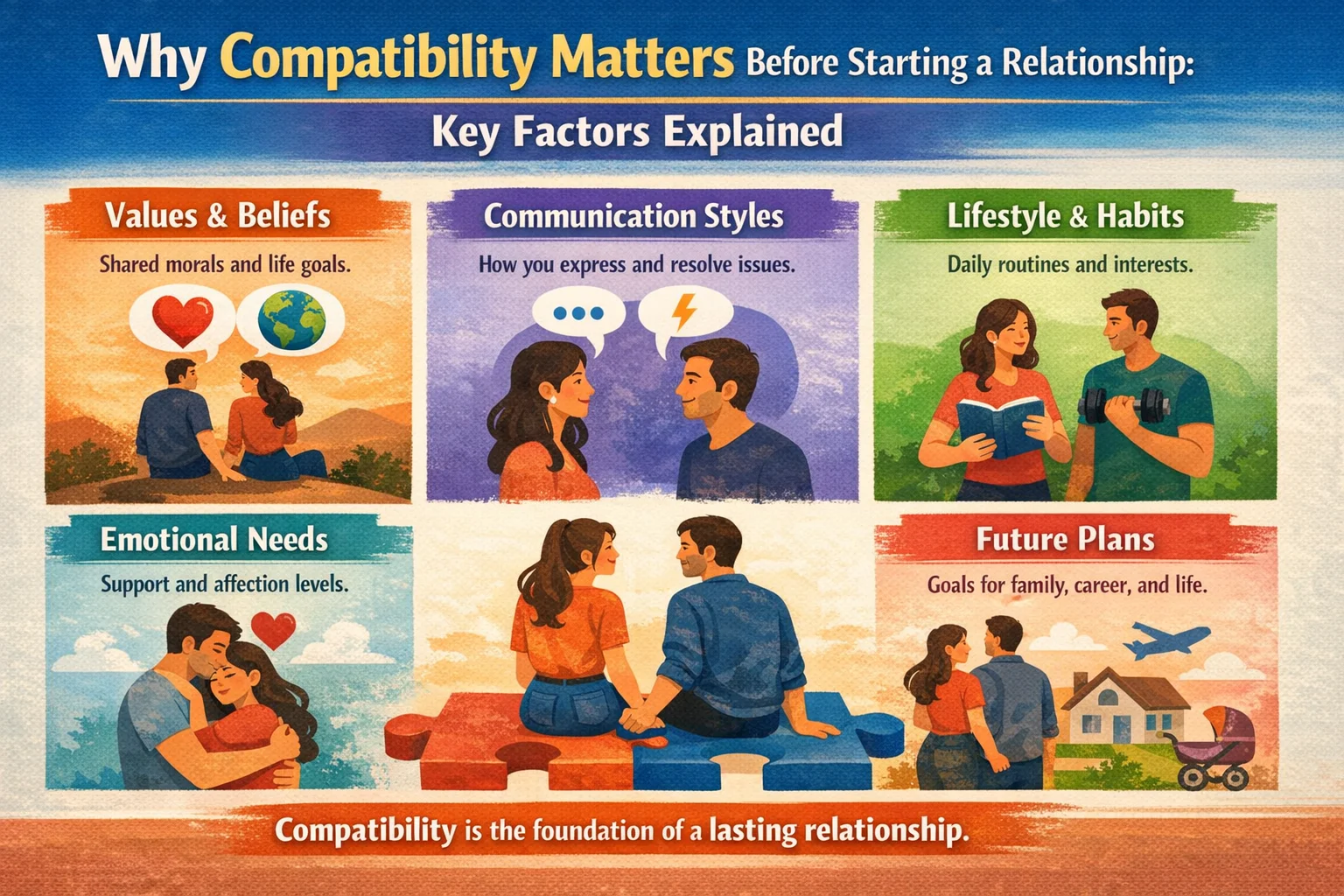
Read More: Why Compatibility Matters Before Starting a Relationship
1. Stop Overanalysing Story Views
A Story view is not a declaration of love, regret or commitment. Try not to attach a deeper meaning to every notification.
2. Set Your Social Media Boundaries
If their presence makes you uncomfortable, consider muting, restricting, unfollowing or blocking their account.
You are allowed to control who has access to your online life.
3. Communicate Directly If You Want Clarity
If you genuinely want to understand what happened, you can send one straightforward message.
However, avoid repeatedly reaching out to someone who consistently refuses to communicate.
4. Focus on Actions Rather Than Notifications
A person who genuinely wants to reconnect will generally make an effort to communicate.
Pay attention to consistency, respect and meaningful conversations instead of occasional likes and reactions.
5. Prioritise Your Own Closure
You do not need someone else’s explanation to decide that a particular connection is no longer healthy for you.
Sometimes moving forward means accepting that you may never receive all the answers you wanted.
Is Orbiting a Sign of Romantic Interest?
Not necessarily.
Someone watching your Instagram Stories might be curious about your life, maintaining an online habit or simply browsing through their social media feed.
It is possible that they still have some feelings, but their online activity alone cannot confirm that.
Instead of trying to understand someone’s intentions through Story views, look at their actual behaviour.
Do they initiate conversations? Do they make plans? Are they interested in understanding your feelings? Do they communicate consistently?
These actions provide much clearer information about someone’s intentions than a name appearing in your Story viewers list.
Conclusion: Social Media Attention Is Not the Same as Genuine Connection
Orbiting reflects an interesting contradiction of modern dating: someone can remain digitally present while being emotionally or conversationally unavailable.
Read More: Relationship Psychology: Know the 4 Psychological Traits Linked to Sexual Jealousy in Men
With Instagram, Snapchat and other social media platforms making it easier to observe people’s lives from a distance, relationships can sometimes continue in the form of likes, views and occasional reactions long after direct communication has ended.
Understanding the difference between orbiting, ghosting and breadcrumbing can help you recognise confusing dating patterns without jumping to conclusions.
Ultimately, a healthy relationship needs more than social media notifications. It requires honesty, communication, emotional availability and mutual effort.
Remember, someone watching your life from a distance does not mean they deserve a place in it.
Frequently Asked Questions (FAQs)
Q1. What does orbiting mean in dating?
Orbiting is a modern dating behaviour where someone stops communicating directly with another person but continues watching their social media activity. They might regularly view Instagram Stories, like photographs or react to posts without initiating meaningful conversations.
Q2. Why does someone watch my Instagram Stories but never text me?
There can be several reasons, including curiosity, habit, uncertainty or a desire to remain loosely connected. However, watching your Stories does not necessarily indicate romantic interest or an intention to restart communication.
Q3. Is orbiting worse than ghosting?
Not necessarily. Both behaviours can create emotional confusion, but their impact depends on the individuals and circumstances involved. Ghosting involves suddenly ending communication, while orbiting adds continued digital visibility after communication has stopped.
Q4. What is the difference between breadcrumbing and orbiting?
Breadcrumbing involves giving occasional attention through flirtatious messages, compliments or vague promises without offering a consistent relationship. Orbiting involves avoiding direct communication while continuing to watch someone’s social media updates.
Read More: What Is Divorce Dust? Why Women Are Wearing Glitter on Dates in This Viral Anti-Cheating Trend
Q5. Does orbiting mean someone still likes you?
Not always. Someone might watch your Stories because they are curious, bored or simply scrolling through social media. Online activity alone cannot establish whether someone still has romantic feelings.
Q6. Should I block someone who is orbiting me?
Blocking is a personal choice. If someone’s repeated online presence makes you uncomfortable or affects your emotional well-being, blocking, muting or restricting their account can be a reasonable way to establish boundaries.
Q7. How can I stop someone from orbiting me?
You can make your social media account private, hide your Stories from specific accounts, remove followers, restrict interactions or block the individual. Choose the privacy settings that make you feel comfortable.
Q8. Is orbiting common in modern dating?
Orbiting has become a recognisable dating term because social media allows people to remain connected online even after direct communication ends. However, not every repeated Story view should be considered orbiting.