From IPL to Classroom: IIM Indore to Study the “Vaibhav Model” After IPL Sensation
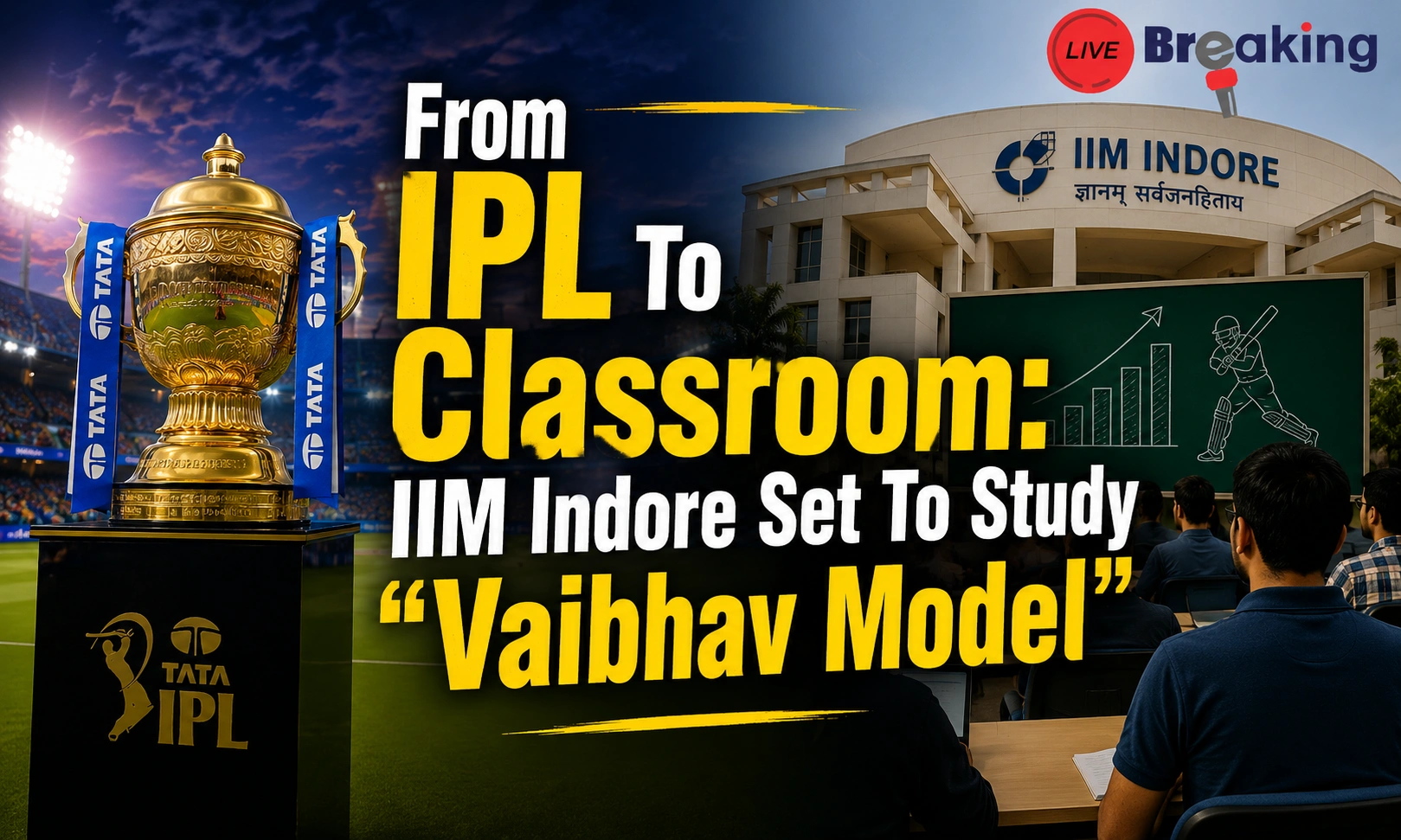
From IPL to Classroom: The Indian Premier League (IPL) has long been a platform where cricketing dreams turn into reality. However, the journey of young cricket sensation Vaibhav Suryavanshi is now creating an impact beyond the cricket field. In a unique development, the Indian Institute of Management (IIM) Indore has decided to study what is being called the “Vaibhav Model”—a framework that examines how exceptional talent can be identified, nurtured, and transformed into world-class performance at a very young age.
The move highlights how sports success stories are increasingly becoming valuable management case studies. For IIM Indore, Vaibhav’s rise offers important lessons in leadership, talent development, performance management, and long-term planning.
Why Is IIM Indore Interested in the Vaibhav Model?
Vaibhav Suryavanshi’s journey is not just about scoring runs in the IPL. It represents a larger story of disciplined training, early talent recognition, strong support systems, and effective mentorship.
Management institutions often study real-world examples to understand how success is achieved. Just as business schools analyze successful startups and corporate leaders, they also examine extraordinary sporting achievements to uncover valuable insights.
The “Vaibhav Model” is expected to focus on:
- Early talent identification
- Long-term performance planning
- Role of family support
- Coaching and mentorship systems
- Psychological preparation
- Consistency under pressure
- Building confidence at a young age
These elements align closely with leadership and organizational management principles taught in top business schools.
The Rise of Vaibhav Suryavanshi in IPL
A New Face of Indian Cricket
Vaibhav Suryavanshi emerged as one of the most talked-about young players during the IPL season. Despite his age, he demonstrated remarkable maturity, confidence, and cricketing intelligence.
His performances attracted attention from cricket experts, former players, and fans across the country. More importantly, his success challenged traditional assumptions about age and experience in professional sports.
Breaking Age Barriers
In modern sports, young athletes are entering elite competitions earlier than ever before. However, sustaining success requires a structured ecosystem that supports physical, technical, and mental growth.
Vaibhav’s journey is being viewed as an example of how a carefully managed development pathway can help young talent compete successfully at the highest level.
Key Components of the Vaibhav Model
1. Early Talent Recognition
One of the strongest aspects of the model is identifying potential at a young age. Coaches and scouts recognized Vaibhav’s abilities early and provided opportunities for structured growth.
2. Consistent Training Environment
Talent alone does not guarantee success. Regular coaching, skill development programs, and access to competitive cricket helped shape his game.
3. Family Support System
Many successful athletes benefit from strong family backing. Sacrifices made by parents and guardians often play a critical role in enabling young athletes to pursue their dreams.
4. Mental Toughness Development
Performing before thousands of spectators and millions of television viewers requires exceptional mental strength. The Vaibhav Model highlights the importance of psychological preparation from an early age.
5. Long-Term Vision
Rather than focusing only on immediate results, the model emphasizes sustainable development and gradual progression.
What Management Students Can Learn
The decision by IIM Indore demonstrates how sports can provide powerful lessons for future business leaders.
| Learning Area | Application in Management |
|---|---|
| Talent Identification | Hiring and recruitment strategies |
| Performance Tracking | Employee performance evaluation |
| Mentorship | Leadership development programs |
| Resilience | Managing workplace challenges |
| Strategic Planning | Long-term organizational growth |
| Teamwork | Cross-functional collaboration |
| Adaptability | Responding to market changes |
These lessons can help students understand how successful systems are built and maintained over time.
Read More: COMEDK 2026 Result: Check Final Answer Key, Rank Card Details Here
Sports as a Management Case Study
Business schools worldwide have increasingly adopted sports-based learning frameworks. From football clubs in Europe to Olympic training systems, sports offer rich examples of leadership, decision-making, and organizational excellence.
The Vaibhav Model could become one of India’s most relevant case studies, particularly because it combines youth development, high performance, and national-level success.
Experts believe that studying such models can help educational institutions design better talent development strategies not only in sports but also in business, education, and entrepreneurship.
Impact on Indian Sports Development
The attention being given to Vaibhav’s journey may encourage policymakers, sports academies, and educational institutions to invest more heavily in grassroots talent development.
Read More: CBSE Class 12 Students Report Technical Glitches On Re-evaluation Portal
Several benefits could emerge:
- Improved scouting networks
- Better coaching infrastructure
- Stronger sports education programs
- Enhanced athlete support systems
- Increased collaboration between academia and sports organizations
Such developments can contribute significantly to India’s sporting future.
Why This Study Matters Beyond Cricket
The significance of the Vaibhav Model extends far beyond cricket. It represents a blueprint for excellence that can be applied across multiple sectors.
Whether in academics, business, arts, or sports, the core principles remain similar:
- Identify talent early
- Provide proper guidance
- Build strong support systems
- Encourage continuous improvement
- Develop resilience and confidence
Read More: NEET UG 2026 Fee Refund: Details To Submit, Deadline, Steps
By studying these factors scientifically, institutions can create more effective pathways for future success.
Future Implications
If the IIM Indore study produces meaningful insights, it could influence how organizations approach talent management in India.
Educational institutions may redesign student development programs. Businesses may rethink leadership pipelines. Sports academies may adopt more structured talent nurturing models.
Most importantly, the study reinforces the idea that extraordinary achievements often result from systems and processes—not just individual brilliance.
Conclusion
The decision by IIM Indore to study the “Vaibhav Model” marks a fascinating intersection between sports and management education. Vaibhav Suryavanshi’s IPL success story has evolved into a broader conversation about talent development, leadership, and sustainable excellence.
As India continues to produce world-class athletes and young achievers, such academic studies can help uncover the frameworks behind success. The lessons learned may ultimately benefit not only future cricketers but also entrepreneurs, managers, educators, and leaders across various fields.
The journey from IPL stadiums to management classrooms demonstrates that excellence leaves lessons wherever it appears—and the Vaibhav Model may soon become one of India’s most influential case studies.
Frequently Asked Questions (FAQs)
1. What is the Vaibhav Model?
The Vaibhav Model refers to the talent development journey and success framework associated with young cricket sensation Vaibhav Suryavanshi.
2. Why is IIM Indore studying the Vaibhav Model?
IIM Indore aims to understand the factors behind exceptional talent development, performance excellence, and leadership lessons that can be applied to management education.
3. Who is Vaibhav Suryavanshi?
Vaibhav Suryavanshi is a young Indian cricketer who gained national attention through his impressive performances in the IPL.
Read more: Uttar Pradesh TGT Admit Card 2026 Releasing Today: Know Steps to Download
4. How can sports help management education?
Sports provide real-world examples of leadership, teamwork, strategic planning, resilience, and performance management.
5. What lessons can businesses learn from the Vaibhav Model?
Businesses can learn about talent identification, mentorship, long-term planning, performance tracking, and creating environments that enable excellence.
6. Could this study impact Indian sports development?
Yes. The findings could encourage better talent identification systems, coaching structures, and athlete development programs across India.