What Is Divorce Dust? Viral Glitter Anti-Cheating Trend Explained
Social media is buzzing with an unusual dating trend that has turned a simple beauty product into a conversation about love, loyalty, and trust. Known as Divorce Dust, the trend involves women wearing noticeable glitter on dates, with the playful idea that the tiny sparkling particles may leave traces on a person’s clothes or belongings.
The concept has attracted attention because of its humorous approach to a serious relationship concern: cheating. While some people see it as a clever way to expose potential dishonesty, others consider it nothing more than a funny social media experiment.
But what exactly is Divorce Dust, how does it supposedly work, and why is it becoming a talking point in modern dating culture? Here is everything to know about the viral glitter trend.
What Is Divorce Dust?
Divorce Dust is a social media dating trend in which someone deliberately wears glitter during a date, hoping that the sparkling particles will transfer onto the other person’s clothing or belongings.
The idea is based on a simple observation: glitter can cling to fabric, skin, and other surfaces, sometimes remaining visible long after an encounter. In the context of dating, the trend jokingly suggests that glitter could become an unexpected reminder of a meeting that someone might prefer to keep private.
For example, if a person goes on a date with someone who is already in a relationship, the glitter might theoretically transfer onto their clothes. The joke is that a partner could later notice the sparkling particles and start asking questions.
Despite its dramatic name, Divorce Dust is not an established method for detecting infidelity. It is primarily a humorous online trend that uses glitter as a symbol of accountability and transparency.
How Does the Divorce Dust Trend Work?
The idea behind Divorce Dust is straightforward, which helps explain why it is easy to understand and recreate for social media content.
1. Wearing Noticeable Glitter
A person applies glitter-based makeup or body shimmer before meeting a date. The aim is to create a look that is both fashionable and likely to leave visible particles on nearby surfaces.
2. Glitter Transfers During the Date
During ordinary interactions, glitter may transfer through contact with clothing, hands, or other surfaces. However, whether this happens depends on the product, the amount applied, the material involved, and the type of contact.
3. The Glitter Becomes the Punchline
The humorous part of the trend is the possibility that glitter could turn up somewhere unexpected later. Online creators use this scenario to joke about secret relationships, questionable dating behaviour, and the difficulty of keeping certain encounters hidden.
Importantly, glitter cannot establish whether someone has cheated. Finding glitter on clothing or personal belongings is not proof of an affair, since it can come from numerous everyday sources.
Why Is Divorce Dust Going Viral on Social Media?
The appeal of Divorce Dust comes from its combination of beauty, humour, relationship drama, and easily shareable content.
A Funny Take on Cheating Concerns
Infidelity is a serious subject, but social media often turns uncomfortable experiences into jokes and relatable videos. Divorce Dust follows this pattern by presenting a familiar fear in an exaggerated and entertaining way.
The glitter becomes a visual punchline, making the concept easy for audiences to understand without lengthy explanations.
The Power of Short-Form Videos
Trends that can be demonstrated quickly often work well on platforms such as Instagram, TikTok, and YouTube Shorts. Glitter is visually striking, simple to incorporate into beauty content, and suitable for humorous storytelling.
Creators can demonstrate the concept, share dating anecdotes, or debate whether the idea is clever or ridiculous. This flexibility helps a trend appeal to different audiences.
Modern Dating Frustrations
Dating apps and changing relationship expectations have made conversations about exclusivity, honesty, and commitment particularly visible online. Not everyone shares the same understanding of what constitutes a committed relationship, making communication important.
Divorce Dust taps into these concerns without offering a serious solution. Its popularity reflects the online conversation surrounding dating uncertainty rather than proving that people are actually using glitter to catch unfaithful partners on a widespread scale.
Is Divorce Dust an Anti-Cheating Hack or Just a Joke?
Although the trend is often described as an anti-cheating strategy, its effectiveness should not be confused with its entertainment value.
Glitter can transfer between surfaces, but it cannot identify the source of the particles or establish the circumstances in which they arrived there. Someone might pick up glitter at a party, workplace, beauty salon, concert, or through contact with another person.
Similarly, the absence of glitter proves nothing about whether a person has been faithful.
The trend is therefore best understood as a joke or a conversation starter rather than a reliable way to investigate a partner’s behaviour. Treating it as evidence could lead to unnecessary suspicion or arguments.
For people who have genuine concerns about dishonesty, direct conversations and clearly communicated relationship boundaries are more meaningful than relying on a beauty product.
What Does Divorce Dust Say About Modern Relationships?
Beyond the glitter, the trend highlights several themes that frequently appear in discussions about contemporary dating.
Trust Remains Central to Relationships
Trust is an important foundation of healthy relationships. When people feel uncertain about a partner’s intentions or relationship status, they may look for reassurance in different ways.
Read More: What Is Divorce Dust? The Viral Glitter Trend Women Are Using to Catch Cheaters
A viral trend can provide a humorous outlet for those concerns, but it cannot resolve the underlying uncertainty.
Humour Can Make Difficult Topics Easier to Discuss
Cheating, exclusivity, and emotional boundaries can be uncomfortable subjects. Humour allows people to discuss these issues in a less formal way, sometimes encouraging conversations that might otherwise be avoided.
However, joking about a concern and addressing it directly are two different things. A relationship still needs honest communication.
Personal Boundaries Matter More Than Viral Tricks
Divorce Dust also creates an opportunity to reflect on what people expect from dating. Some may want exclusivity from the beginning, while others may prefer to discuss commitment after getting to know someone.
Neither approach removes the need to be clear about expectations. People are better equipped to make informed decisions when both partners understand the relationship and agree on its boundaries.
Divorce Dust vs Traditional Ways of Building Trust
The following table compares the viral trend with more practical approaches to relationship communication.
| Approach | Main Purpose | Reliability | Potential Concern |
|---|---|---|---|
| Divorce Dust | Humorous commentary on cheating | Cannot verify infidelity | May encourage false assumptions |
| Open communication | Clarify intentions and expectations | Useful for understanding each other | Requires honesty from both people |
| Setting boundaries | Define acceptable relationship behaviour | Helps establish mutual expectations | Boundaries must be clearly discussed |
| Observing consistent behaviour | Understand whether words and actions align | Provides context over time | Individual actions can be misinterpreted |
| Seeking relationship counselling | Address persistent trust or communication problems | Can support constructive dialogue | Requires willingness to participate |
The key takeaway is that a viral trend can entertain people, but a healthy relationship requires more than a clever trick.
Read More: Why Rage-Baiting Is the Toxic Love Language You Need to Avoid
Is Divorce Dust Really a Sign of Women’s Empowerment?
Some social media users may interpret the trend as a playful expression of women’s confidence and unwillingness to tolerate dishonesty. Others may simply enjoy the humour and beauty aspect without attaching a deeper meaning to it.
Both interpretations are possible, but it is important not to assume that everyone participating in the trend has the same motivation.
For some, glitter may be a form of self-expression or a memorable fashion choice. For others, the anti-cheating angle provides a funny storyline for online content.
Ultimately, empowerment in relationships is not about catching someone through a gimmick. It is about recognising personal worth, communicating expectations, making informed choices, and leaving situations that consistently undermine one’s well-being.
Should You Try the Divorce Dust Trend?
If the idea appeals to you as a beauty experiment or a harmless joke, glitter can be part of a playful date-night look. However, it should not be treated as a substitute for trust or as a way to secretly gather proof against someone.
Before using glitter-based cosmetics, consider skin sensitivity and choose products designed for their intended use. Avoid applying craft glitter near the eyes, and follow the product’s removal instructions.
Read more: Dating Red Flags You Shouldn’t Ignore, Warning Signs in Modern Relationships
It is also worth considering the effect of the joke on the other person. A trend that seems entertaining online may feel uncomfortable or accusatory in a real relationship, especially if it is used to test someone’s loyalty without their knowledge.
If you are worried that a date is hiding an existing relationship, asking direct questions and deciding what behaviour you are comfortable accepting may be more useful than relying on glitter.
The Bigger Picture: Why Viral Dating Trends Keep Appearing
Divorce Dust belongs to a broader category of online relationship trends that turn everyday objects, behaviours, and experiences into metaphors for dating.
These trends gain attention because they are easy to explain, invite strong reactions, and encourage people to share their own stories. Some are light-hearted, while others reveal genuine concerns about communication, emotional availability, and commitment.
However, popularity does not necessarily mean a trend is effective, widely practised, or supported by evidence. Viral content often exaggerates a concept to make it more entertaining.
Readers should therefore distinguish between what a trend claims to do and what it can actually demonstrate. In the case of Divorce Dust, glitter may leave a trace, but it cannot tell the full story of a relationship.
Conclusion
Divorce Dust has turned glitter into an unexpected symbol in the online conversation about modern dating. The viral trend uses the idea of glitter transferring onto clothes or belongings to joke about secret encounters and potential cheating.
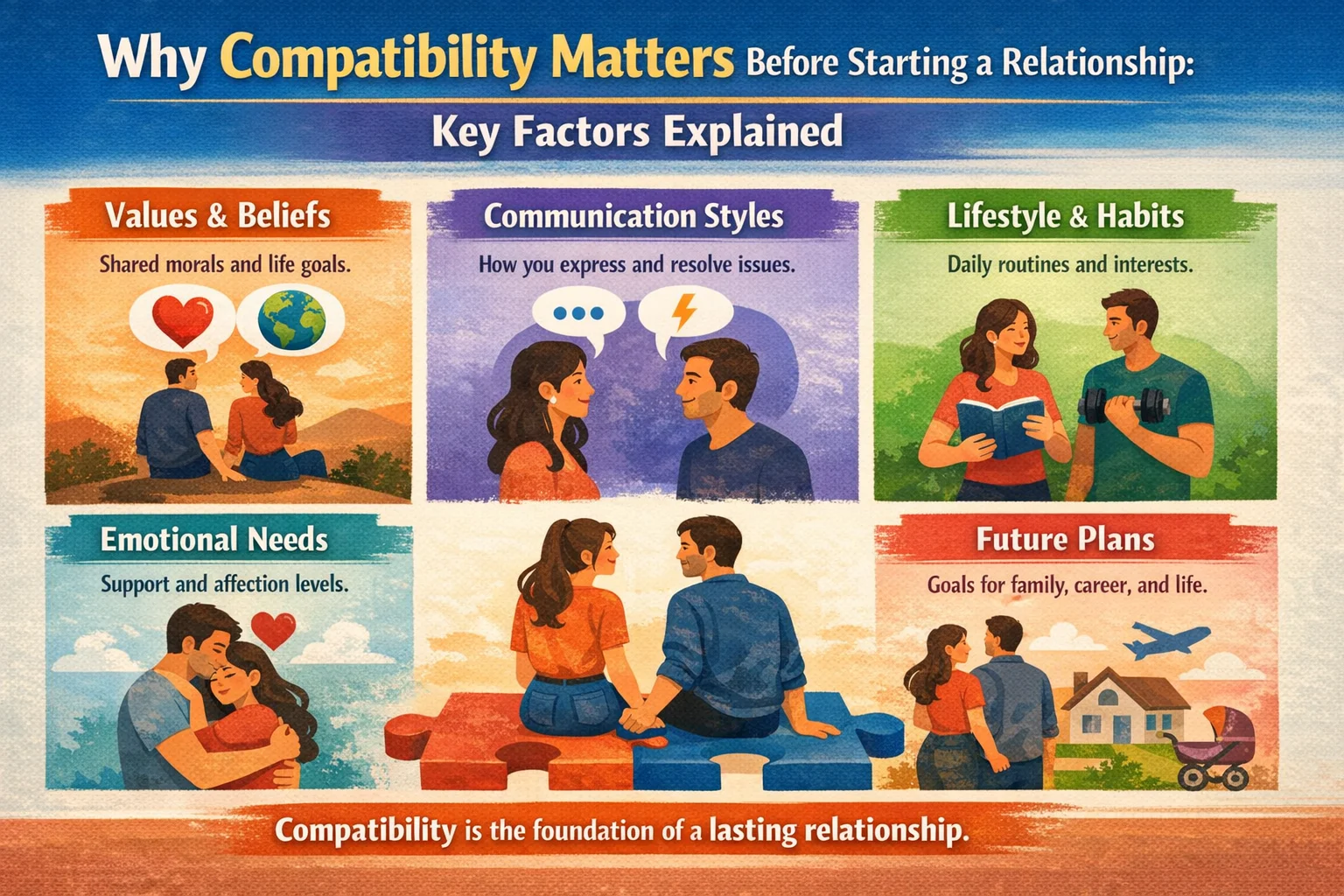
Read More: Why Compatibility Matters Before Starting a Relationship
Its appeal lies in its simplicity, humour, and connection to familiar relationship concerns. Yet the concept should not be mistaken for a dependable way to detect infidelity or determine whether someone is being honest.
The bigger message is about trust, boundaries, and communication. While glitter may add sparkle to a date, lasting relationships depend on honesty, mutual respect, and clear expectations—not viral tricks.
Frequently Asked Questions (FAQs)
1. What is Divorce Dust?
Divorce Dust is a viral dating trend in which people wear noticeable glitter on dates. The humorous idea is that the glitter may transfer onto another person’s clothes or belongings, potentially revealing a secret encounter. It is a social media concept, not a scientifically established method for detecting cheating.
2. Why are women wearing glitter on dates?
The trend jokes that glitter could leave visible traces after a date, making a secret meeting harder to conceal. Some people also participate for entertainment, beauty content, or its connection to conversations about trust and loyalty.
3. Does Divorce Dust actually catch cheaters?
No. Glitter cannot establish whether someone has cheated, identify the source of the particles, or explain how they reached a particular surface. It may transfer during ordinary contact, but its presence is not proof of infidelity.
4. Is Divorce Dust a real beauty product?
The term generally refers to the viral concept of wearing glitter as a playful anti-cheating tactic, rather than to a specific, established beauty product. People may use glitter-based makeup or body shimmer to recreate the look.
Read More: Relationship Psychology: Know the 4 Psychological Traits Linked to Sexual Jealousy in Men
5. Is Divorce Dust a TikTok trend?
Divorce Dust is discussed as a social media trend involving humorous dating scenarios and glitter. Although short-form video platforms are well suited to this type of content, the trend should not be assumed to have originated on one particular platform without reliable evidence.
6. What does Divorce Dust mean in dating?
In dating discussions, Divorce Dust symbolises concerns about loyalty, secrecy, and accountability. Its meaning is largely humorous, and different people may interpret it as a joke, a beauty trend, or commentary on modern relationships.
7. Can glitter prove that someone has been cheating?
No. Glitter can come from cosmetics, parties, clothing, decorations, and many other sources. It cannot reliably establish who was involved in an encounter or whether a person violated a relationship agreement.
8. What is the best way to deal with suspected cheating?
Start by identifying the specific behaviour that concerns you and discussing it calmly. Clarify your expectations around exclusivity and honesty, listen to the other person’s response, and decide what boundaries are right for you. If trust problems persist, consider support from a qualified relationship counsellor.