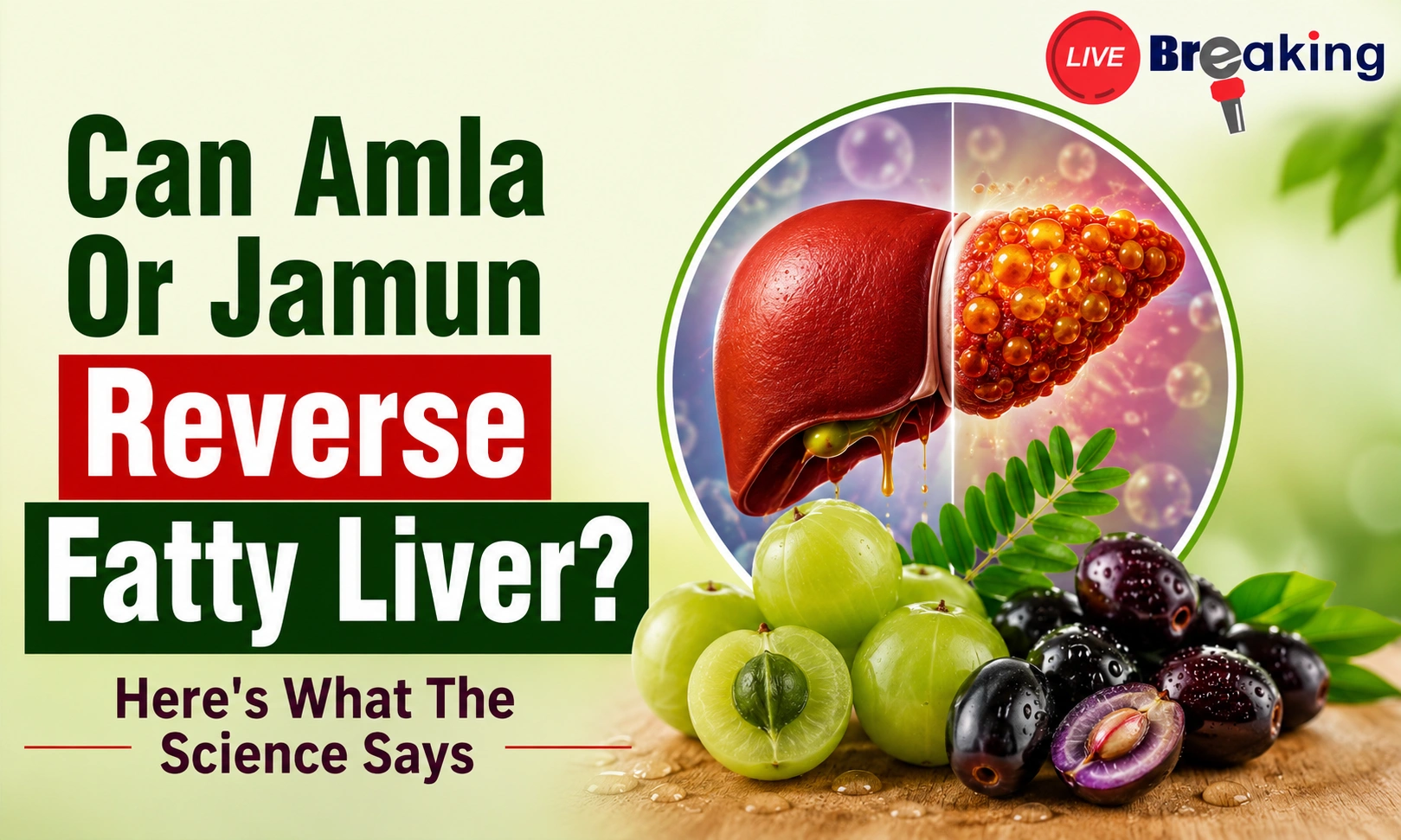
Can Amla or Jamun Reverse Fatty Liver? What Science Really Says About These Superfruits
With the number of people diagnosed with fatty liver disease increasing rapidly, many are turning to natural remedies to improve liver health. Among the most popular options are amla (Indian gooseberry) and jamun (Indian blackberry)—two nutrient-rich fruits widely consumed in India during the summer season.
But can these traditional fruits actually reverse fatty liver? Or are they simply healthy additions to your diet? Recent research suggests that while amla and jamun offer impressive liver-supporting properties, they are not standalone cures. Instead, they work best as part of a healthy lifestyle that includes weight management, regular exercise, and a balanced diet.
What Is Fatty Liver Disease?
Fatty liver disease occurs when excess fat accumulates in liver cells. It is commonly divided into two categories:
- Non-Alcoholic Fatty Liver Disease (NAFLD) – caused by obesity, diabetes, insulin resistance, and unhealthy eating habits.
- Alcohol-Related Fatty Liver Disease – caused by excessive alcohol consumption.
In its early stages (Grade 1), fatty liver usually has no symptoms and can often be reversed through lifestyle changes. However, if ignored, it may progress to liver inflammation, fibrosis, cirrhosis, or even liver failure.
Why Are Amla and Jamun Being Recommended?
Traditional Indian medicine has used both fruits for centuries. Modern research is now exploring whether these fruits possess compounds that help protect liver cells from damage.
Both fruits are rich in:
- Natural antioxidants
- Polyphenols
- Vitamin C (especially amla)
- Anthocyanins (especially jamun)
- Anti-inflammatory compounds
These nutrients help reduce oxidative stress, which is considered one of the primary contributors to fatty liver disease.
How Amla Supports Liver Health
Amla is among the richest natural sources of Vitamin C and contains numerous plant compounds that support overall health.
Key Benefits of Amla
1. Powerful Antioxidant Protection
Oxidative stress damages liver cells over time. The antioxidants in amla help neutralize harmful free radicals, protecting liver tissue.
2. Reduces Inflammation
Chronic inflammation plays a major role in fatty liver progression. Research indicates that amla possesses anti-inflammatory properties that may help reduce liver damage.
Read More: Rice Water vs. Rosemary Oil: Which Viral Growth Remedy Wins?
3. Supports Fat Metabolism
Some studies suggest that amla may improve cholesterol metabolism and reduce fat accumulation inside liver cells.
4. Improves Liver Enzymes
Several studies have observed improvements in liver enzyme levels after regular consumption of amla, indicating healthier liver function.
However, researchers also note that larger clinical trials are still needed before amla can be recommended as a medical treatment.
How Jamun Benefits the Liver
Jamun has gained popularity not only because of its taste but also for its medicinal properties.
Major Benefits Include
Better Blood Sugar Control
High blood sugar and insulin resistance are major causes of fatty liver. Jamun helps improve glucose regulation, reducing one of the root causes of liver fat accumulation.
Rich in Anthocyanins
The deep purple colour of jamun comes from anthocyanins—powerful antioxidants known to reduce inflammation and protect liver cells.
Reduces Oxidative Stress
Animal studies have shown that jamun extracts significantly reduce liver inflammation and protect against liver injury.
Read More: Developmental Dysplasia Hip: Causes, Symptoms, Diagnosis, and Treatment Explained
Supports Digestion
Healthy digestion and improved gut health indirectly support liver function by reducing the body’s inflammatory burden.
Can These Fruits Actually Reverse Fatty Liver?
The short answer is yes—but only as part of a broader lifestyle approach.
Neither amla nor jamun is a miracle cure.
Current scientific evidence suggests they may:
- Reduce oxidative stress
- Lower inflammation
- Improve insulin sensitivity
- Support liver cell repair
- Improve liver enzyme levels
However, reversing fatty liver still depends primarily on:
- Losing excess body weight
- Exercising regularly
- Reducing sugar intake
- Limiting processed foods
- Managing diabetes
- Getting adequate sleep
- Avoiding alcohol (where applicable)
Read More: Papaya vs Pineapple for Glowing Skin: Which Fruit Truly Works Better?
Experts emphasize that these fruits should be viewed as supportive foods rather than replacements for medical treatment.
Amla vs Jamun Comparison
| Feature | Amla | Jamun |
|---|---|---|
| Rich in Vitamin C | ✅ Very High | ❌ Moderate |
| Antioxidants | ✅ Excellent | ✅ Excellent |
| Blood Sugar Control | Moderate | Excellent |
| Anti-inflammatory | Strong | Strong |
| Supports Liver Enzymes | Yes | Yes |
| Helps Fat Metabolism | Yes | Moderate |
| Best For | Immunity & Liver Protection | Diabetes & Liver Health |
Best Ways to Include Them in Your Diet
Amla
- Fresh fruit
- Amla juice (without added sugar)
- Amla powder
- Homemade chutney
- Mixed into salads
Jamun
- Fresh seasonal fruit
- Unsweetened smoothies
- Fruit bowls
- Jamun seed powder (only under medical guidance)
Avoid packaged juices that contain added sugar, as excess sugar can worsen fatty liver.
Lifestyle Habits That Matter More Than Any Superfood
Doctors consistently recommend focusing on overall lifestyle rather than relying on a single food.
Important habits include:
- Walking at least 30–45 minutes daily
- Eating plenty of vegetables
- Including lean protein
- Limiting sugary drinks
- Avoiding processed foods
- Sleeping 7–8 hours
- Maintaining a healthy weight
- Regular liver health check-ups
These habits have far stronger evidence for reversing early-stage fatty liver than any individual fruit.
Are There Any Side Effects?
Both fruits are generally safe when consumed in moderation.
People should be cautious if they:
- Have low blood sugar
- Take diabetes medication
- Have kidney-related dietary restrictions
- Experience digestive discomfort after consuming acidic foods
Read More: World Lung Cancer Day 2026: Raising Awareness for Early Detection and Better Lung Health
Always consult your doctor before making significant dietary changes if you have chronic liver disease or other medical conditions.
Final Verdict
Science suggests that both amla and jamun can contribute positively to liver health, thanks to their antioxidant, anti-inflammatory, and metabolism-supporting properties. Amla is particularly beneficial for combating oxidative stress, while jamun stands out for improving blood sugar regulation and supporting metabolic health.
However, these fruits cannot reverse fatty liver on their own. The strongest evidence still supports a combination of healthy eating, regular exercise, weight management, and medical supervision. Including amla and jamun as part of this comprehensive lifestyle can provide meaningful support, especially in the early stages of fatty liver disease.
FAQ
Q1. Can amla cure fatty liver?
No. Amla may support liver health due to its antioxidant properties, but it cannot cure fatty liver on its own.
Q2. Is jamun good for fatty liver?
Yes. Jamun may help improve insulin sensitivity and reduce oxidative stress, both of which support liver health.
Read More: Caffeine In Evening May Affect Quality Of Night-Time Sleep, Study Finds
Q3. Which is better for fatty liver—amla or jamun?
Both offer different benefits. Amla is rich in Vitamin C and antioxidants, while jamun is particularly useful for blood sugar management.
Q4. Can Grade 1 fatty liver be reversed naturally?
Yes. Early-stage fatty liver can often be reversed through weight loss, regular exercise, healthy eating, and medical guidance.
Q5. How often should I eat amla or jamun?
Moderate daily consumption during the season is generally considered safe, but consult your healthcare provider if you have diabetes or other medical conditions.
Like this post?