World Lung Cancer Day 2026: Importance of Early Detection, Symptoms, Prevention & Lung Health Awareness
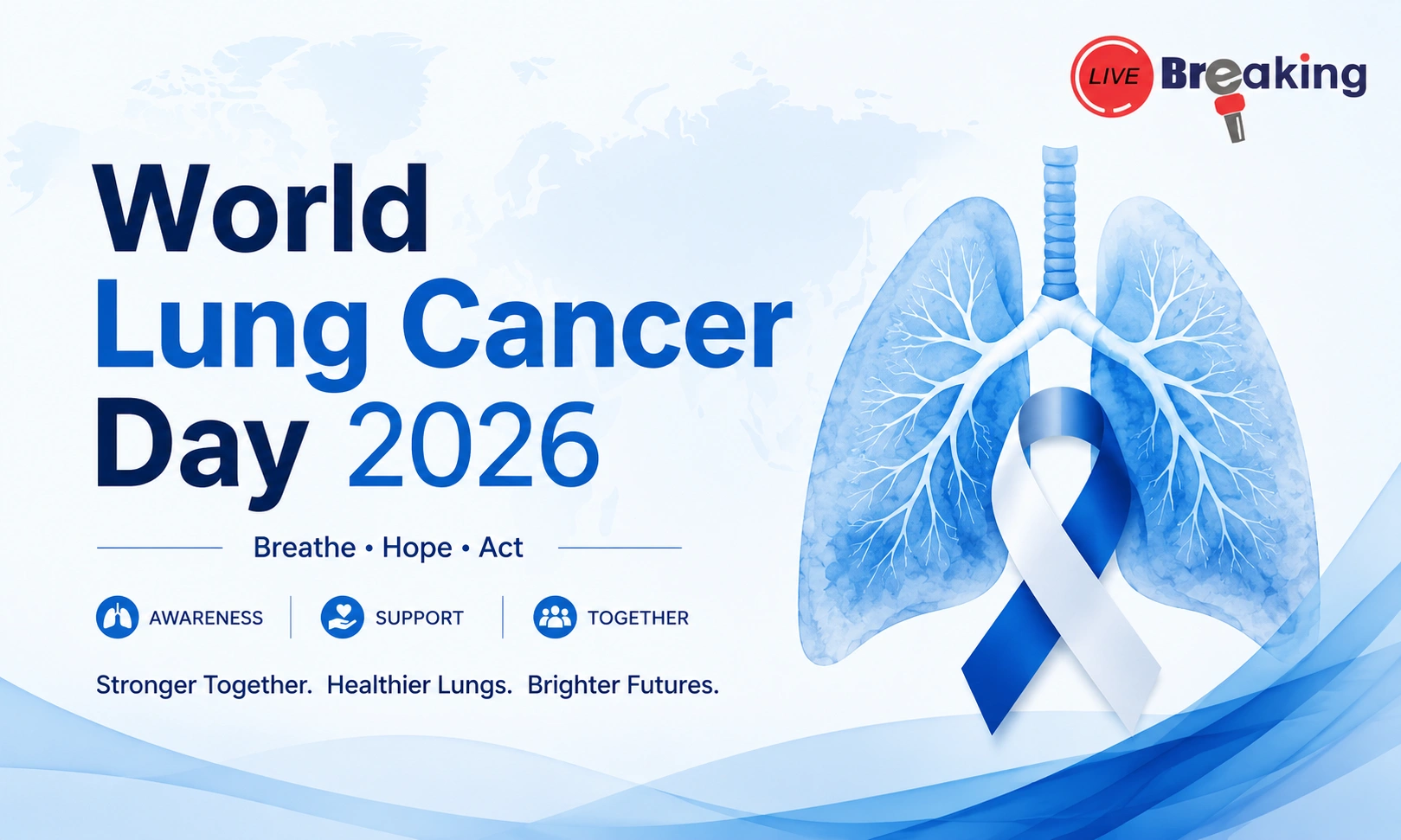
Every year on August 1, the world observes World Lung Cancer Day to spread awareness about one of the deadliest forms of cancer affecting millions globally. The day focuses on educating people about lung cancer symptoms, risk factors, prevention strategies, and the importance of early detection. The global initiative also encourages governments, healthcare professionals, and communities to work together to improve lung health and reduce cancer-related deaths.
Lung cancer continues to be a major public health concern worldwide. Despite advances in treatment and technology, many patients are diagnosed at later stages when treatment becomes more difficult. Experts consistently emphasize that awareness, timely screening, and lifestyle changes can significantly improve survival rates.
What is World Lung Cancer Day?
World Lung Cancer Day is observed annually on August 1 to highlight the growing burden of lung cancer and to encourage early diagnosis and treatment. The awareness day was launched to unite healthcare organizations, cancer survivors, caregivers, and policymakers in the fight against lung cancer.
The day also aims to reduce the stigma associated with lung cancer. While smoking remains one of the leading causes, non-smokers can also develop lung cancer due to pollution, genetic factors, occupational exposure, and second-hand smoke.
Why Lung Cancer Awareness Matters
Lung cancer is among the leading causes of cancer-related deaths across the world. One of the biggest challenges is that symptoms often appear only after the disease has advanced. Doctors warn that people frequently ignore mild signs such as persistent cough, chest discomfort, or fatigue, assuming them to be common respiratory issues.
According to health experts, increasing awareness about symptoms and promoting regular screening among high-risk individuals can help save lives. Awareness campaigns also encourage healthier lifestyles and tobacco cessation, which remain key preventive measures.
Common Symptoms of Lung Cancer
Recognizing symptoms early can make a major difference in treatment outcomes. Some common warning signs include:
- Persistent cough lasting more than a few weeks
- Chest pain
- Shortness of breath
- Coughing up blood
- Unexplained weight loss
- Fatigue and weakness
- Hoarseness in voice
- Frequent respiratory infections
Medical professionals advise individuals not to ignore recurring symptoms, especially if they smoke or are exposed to polluted environments.
Read More: Rice Water vs. Rosemary Oil: Which Viral Growth Remedy Wins?
Major Risk Factors for Lung Cancer
Several factors can increase the risk of developing lung cancer. Smoking remains the most significant contributor, but it is not the only cause.
Key Risk Factors Include:
| Risk Factor | Impact on Lung Health |
|---|---|
| Smoking | Leading cause of lung cancer |
| Second-hand smoke | Increases cancer risk in non-smokers |
| Air pollution | Damages lung tissue over time |
| Occupational exposure | Chemicals like asbestos can trigger cancer |
| Family history | Genetic predisposition may increase risk |
| Radon gas exposure | Dangerous radioactive gas linked to cancer |
Studies and awareness campaigns continue to stress the importance of minimizing exposure to these harmful factors.
Importance of Early Detection
Early detection remains one of the strongest weapons against lung cancer. Doctors recommend low-dose CT scans for people considered high-risk, especially long-term smokers and older adults. Screening can identify abnormalities before symptoms become severe.
Read More: Papaya vs Pineapple for Glowing Skin: Which Fruit Truly Works Better?
Medical experts say that many cancers initially “whisper rather than shout,” meaning symptoms can appear subtle in early stages. Ignoring these signs often leads to delayed diagnosis and complicated treatment.
India has also taken important steps toward improving cancer care by releasing national lung cancer treatment guidelines aimed at enhancing diagnosis and patient-centric treatment.
How to Maintain Better Lung Health
Protecting lung health is essential not only for preventing cancer but also for improving overall well-being.
Tips for Healthy Lungs
Quit Smoking
Stopping smoking significantly reduces the risk of lung cancer and other respiratory diseases.
Avoid Polluted Environments
Wear protective masks in heavily polluted areas and reduce exposure to harmful chemicals.
Exercise Regularly
Physical activity improves lung capacity and strengthens respiratory muscles.
Eat a Balanced Diet
Foods rich in antioxidants may help protect lung tissues from damage.
Get Regular Health Checkups
Routine screenings and consultations can help detect problems early.
Stay Away from Second-Hand Smoke
Passive smoking can also seriously damage lungs over time.
Read More: Developmental Dysplasia Hip: Causes, Symptoms, Diagnosis, and Treatment Explained
Breaking Myths Around Lung Cancer
Many misconceptions about lung cancer prevent people from seeking help or getting screened.
Common Myths and Facts
| Myth | Reality |
|---|---|
| Only smokers get lung cancer | Non-smokers can also develop the disease |
| Lung cancer affects only older men | Women and younger individuals can also be affected |
| Screening is ineffective | Early screening improves survival rates |
| Treatment is always painful | Modern therapies are improving outcomes |
| Lung cancer cannot be prevented | Lifestyle changes can lower risk |
Awareness campaigns aim to debunk these myths and encourage people to prioritize lung health.
Global Efforts to Fight Lung Cancer
International health organizations, hospitals, and advocacy groups conduct campaigns every year to educate the public and support patients. Activities include awareness walks, free screening camps, educational webinars, and fundraising events for research.
Researchers are also developing advanced technologies and AI-based screening methods to improve early diagnosis and treatment accuracy.
Conclusion
World Lung Cancer Day 2026 serves as an important reminder that awareness, prevention, and early detection can save lives. Lung cancer may remain one of the deadliest cancers, but timely diagnosis and better healthcare access can improve survival rates significantly.
Read More: Papaya vs Pineapple for Glowing Skin: Which Fruit Truly Works Better?
Individuals must pay attention to persistent respiratory symptoms, avoid tobacco use, and undergo regular screenings if they fall into high-risk categories. Governments, healthcare providers, and communities also play a vital role in spreading awareness and ensuring better access to treatment.
By encouraging healthier lifestyles and prioritizing lung health, society can move toward reducing the global burden of lung cancer and creating a healthier future for all.
FAQ
Q1. When is World Lung Cancer Day observed?
World Lung Cancer Day is observed every year on August 1.
Q2. Why is World Lung Cancer Day important?
The day raises awareness about lung cancer symptoms, prevention, early detection, and treatment options.
Q3. What is the leading cause of lung cancer?
Smoking remains the leading cause, though non-smokers can also develop lung cancer.
Q4. Can lung cancer be detected early?
Yes, low-dose CT scans and regular screenings can help detect lung cancer early.
Q5. What are early signs of lung cancer?
Persistent cough, chest pain, fatigue, breathlessness, and unexplained weight loss are common warning signs.
Q6. Can non-smokers get lung cancer?
Yes, exposure to pollution, second-hand smoke, and genetic factors can also cause lung cancer.