‘Nobody Will Hire Women’: Supreme Court Turns Down Plea On Menstrual Leaves
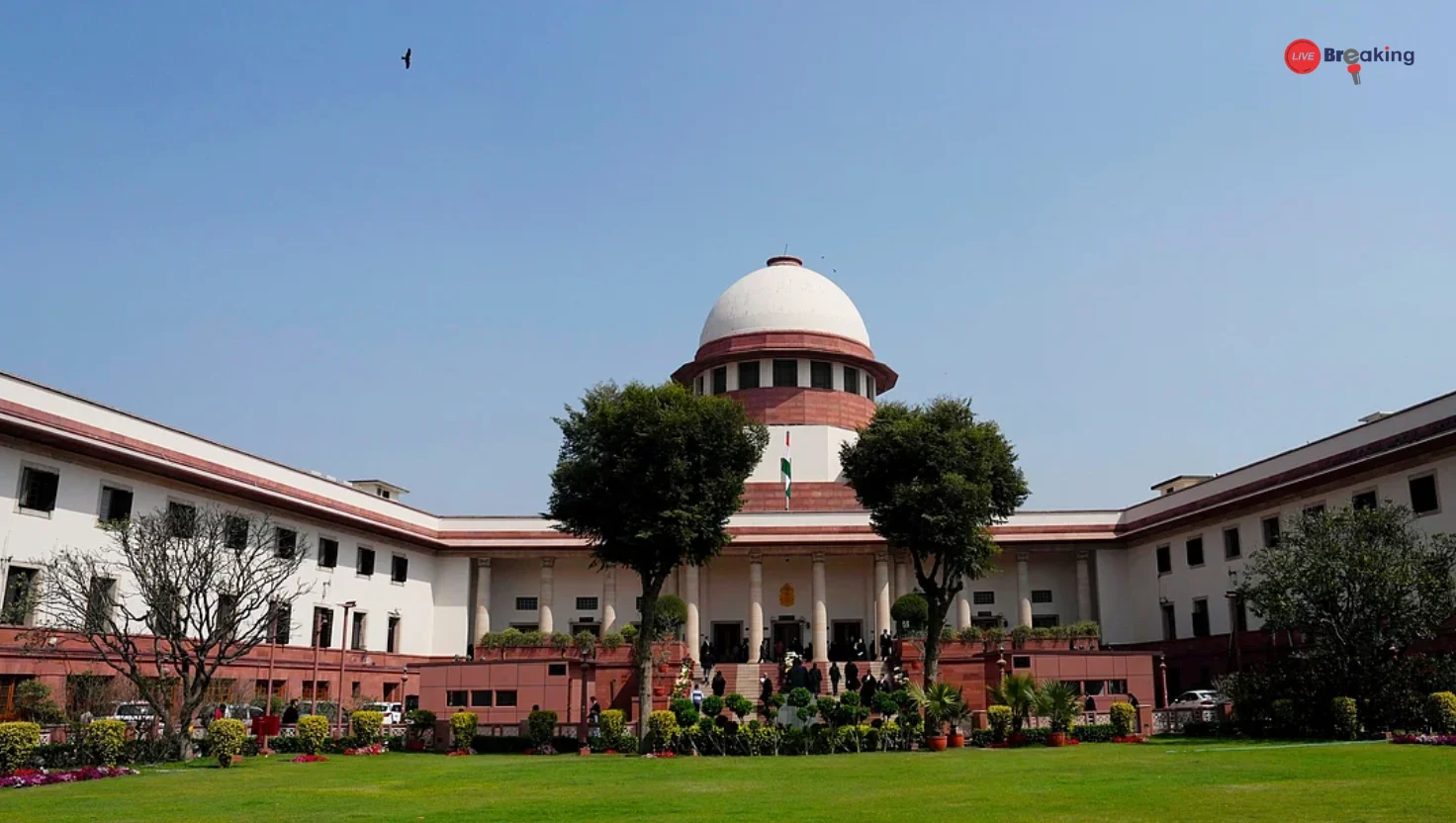
A recent development in India’s legal and workplace policy landscape has reignited the debate around menstrual leave. The Supreme Court of India declined to pass directions for mandatory menstrual leave for women employees across workplaces and educational institutions. During the hearing, the bench expressed concerns that making menstrual leave compulsory could lead employers to hesitate in hiring women.
The issue has sparked widespread discussion among policymakers, activists, employers, and employees about gender equality, workplace rights, and the practical challenges of implementing menstrual leave policies.
The petition had sought a nationwide framework that would ensure menstrual leave as a legal right for women. However, the court indicated that such policy decisions fall within the domain of the government and the legislature rather than the judiciary.
What Was the Menstrual Leave Petition About?
The petition requested the Supreme Court to direct the central government and states to formulate a policy granting menstrual leave to women employees and female students during menstruation.
Advocates supporting the plea argued that many women experience severe menstrual pain and related health issues that can affect productivity and overall well-being. They contended that recognizing menstrual leave would improve workplace inclusivity and gender-sensitive policies.
Key points raised in the petition included:
-
Menstrual health challenges faced by women in workplaces and schools
-
The need for gender-sensitive labor policies
-
Recognition of menstrual pain as a legitimate health concern
-
A structured national policy for menstrual leave
However, the Supreme Court did not consider it appropriate to issue a directive for a nationwide policy.
Supreme Court’s Key Observation: Employment Concerns
During the hearing, the bench made a notable observation that became widely discussed in public discourse.
The judges stated that if mandatory menstrual leave were introduced, employers might become reluctant to hire women due to concerns about additional leave obligations.
The bench reportedly remarked that such a policy might lead to unintended discrimination in hiring practices.
This concern highlights a longstanding challenge in labor policy—balancing welfare measures with ensuring equal employment opportunities.
Why the Court Raised This Concern
The court’s reasoning revolved around practical implications in the job market:
-
Employers might perceive women employees as having additional leave liabilities
-
Companies could favor male candidates to avoid perceived productivity losses
-
Mandatory policies might create indirect hiring bias
Therefore, the court suggested that such decisions require careful policy formulation rather than judicial intervention.
Menstrual Leave in India: Current Status
India currently does not have a nationwide law mandating menstrual leave for employees. However, certain states, institutions, and companies have introduced their own policies.
Below is a snapshot of menstrual leave practices in India.
| Category | Current Status | Details |
|---|---|---|
| National Law | No | India has no central law mandating menstrual leave |
| State Policies | Limited | Bihar has long-standing menstrual leave for government employees |
| Private Companies | Optional | Some companies offer paid menstrual leave voluntarily |
| Educational Institutions | Rare | Few colleges provide menstrual leave policies |
The debate around menstrual leave continues to evolve as more organizations explore inclusive workplace practices.
Read more: Indian Killed in Iranian Underwater Drone Attack on US-Owned Oil Tanker in Gulf
Global Perspective: Countries with Menstrual Leave
India is not the first country to discuss menstrual leave. Several nations have experimented with similar policies.
| Country | Policy Details |
|---|---|
| Japan | Menstrual leave available since 1947 |
| South Korea | Women entitled to menstrual leave under labor law |
| Indonesia | Two days of menstrual leave allowed |
| Taiwan | Three menstrual leave days per year |
Despite these policies, implementation and acceptance vary widely across workplaces.
Supporters vs Critics: The Ongoing Debate
The Supreme Court’s remarks have triggered mixed reactions from different sections of society.
Supporters of Menstrual Leave Say
Advocates argue that menstrual leave acknowledges a biological reality and supports women’s health.
Supporters claim:
-
Menstrual pain can be debilitating for many women
-
Workplace flexibility improves productivity and morale
-
Gender-sensitive policies encourage inclusivity
-
Recognizing menstrual health reduces stigma
They believe menstrual leave is comparable to other health-related leave policies.
Critics Raise Concerns
Critics argue that mandatory menstrual leave could unintentionally reinforce stereotypes about women being less productive workers.
Common concerns include:
-
Risk of discrimination in hiring
-
Operational challenges for companies
-
Difficulty in monitoring or implementing the policy
-
Potential misuse of leave benefits
Some experts suggest that flexible sick leave policies might be a better alternative.
Policy vs Judicial Intervention
Another significant aspect of the case is the court’s stance on policy-making.
The bench indicated that formulating such policies is primarily the responsibility of the government and legislature, not the judiciary.
This means the issue could still be addressed through:
-
Parliamentary legislation
-
State government policies
-
Workplace-level initiatives
-
Corporate HR policies
Therefore, while the court declined the plea, the discussion around menstrual leave in India is far from over.
Read More: Iran War Triggers LPG Shortage in India: Restaurants Turn to Wood and Coal
Workplace Inclusion and Women’s Health
Experts emphasize that menstrual health is an important component of workplace well-being.
Organizations looking to build inclusive work environments are increasingly exploring options such as:
-
Flexible work arrangements
-
Work-from-home options during health issues
-
Paid sick leave policies
-
Awareness programs about menstrual health
Many HR professionals believe that supportive workplace cultures may be more effective than mandatory leave policies.
The Way Forward
The Supreme Court’s decision does not necessarily close the door on menstrual leave policies in India.
Instead, it highlights the complexity of designing policies that support women without unintentionally harming their employment opportunities.
Moving forward, policymakers may consider balanced approaches such as:
-
Gender-neutral health leave policies
-
Flexible working arrangements
-
Workplace health programs
-
Voluntary menstrual leave policies by companies
Read more: How Mossad Spies & Hacked Traffic Cameras Led to Khamenei Assassination – Deep Intel Report
The debate also underscores the need for broader conversations about gender equality, workplace rights, and health awareness.
Conclusion
The Supreme Court’s refusal to mandate menstrual leave has brought attention to a sensitive and important issue—how to support women’s health in workplaces while ensuring equal employment opportunities.
While the court emphasized the potential risk of hiring discrimination, the conversation around menstrual health policies continues to evolve across India.
Ultimately, the challenge lies in designing policies that empower women, promote inclusivity, and maintain fairness in the labor market.
The discussion sparked by this case may influence future policy debates and encourage workplaces to rethink how they address employee well-being.
FAQs
1. Why did the Supreme Court reject the menstrual leave plea?
The Supreme Court declined the plea because it believed mandatory menstrual leave could discourage employers from hiring women and could unintentionally create discrimination in employment.
Read more: How Mossad Spies & Hacked Traffic Cameras Led to Khamenei Assassination – Deep Intel Report
2. Is menstrual leave currently mandatory in India?
No. India does not have a nationwide law requiring menstrual leave for employees, although some states and companies have their own policies.
3. Which countries have menstrual leave policies?
Countries like Japan, South Korea, Indonesia, and Taiwan have provisions for menstrual leave under labor laws.
4. Can the government still introduce menstrual leave in India?
Yes. The court stated that such policies fall under the jurisdiction of the government and legislature, meaning Parliament or state governments could introduce such laws.
5. Do Indian companies offer menstrual leave?
Some private companies in India voluntarily provide menstrual leave as part of their workplace wellness policies.