Is It Safe To Travel or Study In Iran Right Now? Key Things To Know
Escalating tensions in the Middle East have raised serious questions for travelers and students considering Iran as a destination. The ongoing conflict involving Iran, Israel, and the United States has triggered travel advisories, flight disruptions, and security concerns across the region.
In recent weeks, governments, universities, and international organizations have issued warnings advising people to avoid non-essential travel to Iran. For students already studying in Iranian universities and travelers planning visits, the situation has become increasingly uncertain.
This article explains the current safety situation, travel advisories, and important factors to consider before planning any travel or education plans in Iran.
Why Iran Is Currently Considered High-Risk for Travel
Several global travel advisories warn against visiting Iran due to escalating conflict and security risks. Governments including the United States and other countries have issued a “Do Not Travel” warning citing risks such as terrorism, civil unrest, and possible detention of foreign nationals.
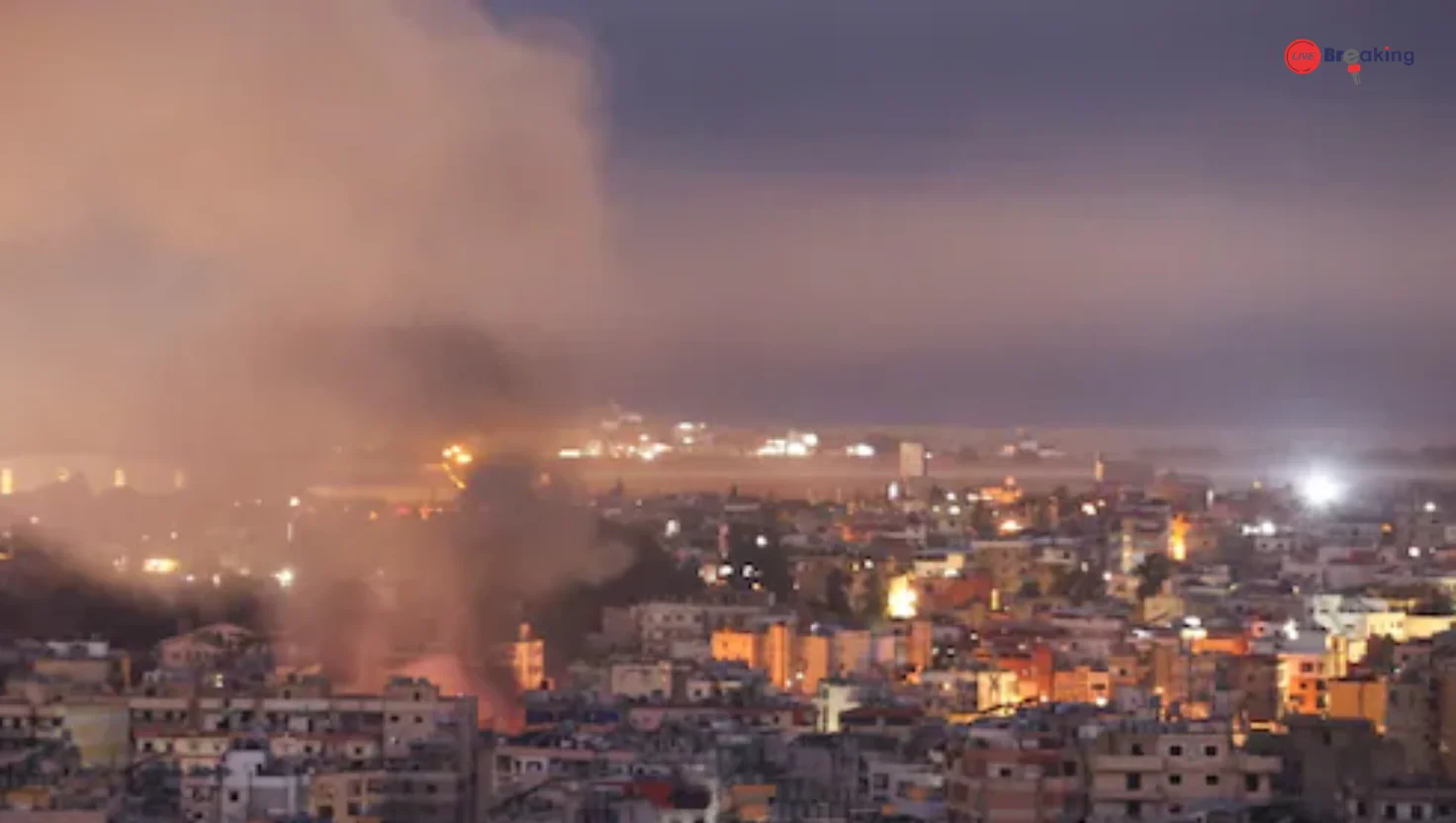
The situation worsened after recent military strikes and retaliatory actions across the Middle East. Missile attacks and drone operations have increased tensions, raising fears of wider regional conflict.
Airspace disruptions and flight cancellations have also made travel difficult. Many airlines have suspended routes to and from the region due to safety concerns.
Major Safety Concerns For Travelers
Travel to Iran currently involves several risks that visitors should consider carefully.
Security Threats
Ongoing military tensions mean that missile strikes or military responses could occur unexpectedly. Debris from intercepted projectiles can also pose risks in populated areas.
Risk of Detention
Foreign nationals may face questioning or detention under strict national security laws. In some cases, travelers have been detained due to perceived links with foreign governments or organizations.
Airspace Closures
Iranian airspace has been closed in parts due to the ongoing conflict, making flights unreliable or unavailable.
Communication Disruptions
Internet blackouts and communication restrictions have occurred in several regions during protests and security operations.
Is It Safe For Students To Study In Iran?
For international students, the situation is even more complicated. Many universities and educational organizations are advising students to postpone travel or return home if possible.
Reports suggest that several groups of international students, including Indians, have begun making arrangements to leave the country due to safety concerns.
Educational experts say studying in Iran may not be practical during ongoing instability because normal institutional operations can be disrupted during conflicts.
Some key issues affecting students include:
-
Unpredictable university schedules
-
Transportation disruptions
-
Limited embassy assistance
-
Difficulty accessing communication networks
Read more: UP Scholarship 2026: How Students Can Check Status And Payment Updates Online
Many universities worldwide have also issued travel advisories for study-abroad programs in the Middle East.
Health and Environmental Concerns
In addition to security risks, environmental issues have also emerged during the conflict.
Health experts have warned about toxic air pollution and unusual “black rain” linked to attacks on oil infrastructure. The pollution contains hydrocarbons and other harmful compounds that may cause breathing problems or long-term health effects.
Authorities in some areas have advised residents to remain indoors and take protective measures such as wearing masks.
Travel Advisory Status (2026)
| Country / Authority | Advisory Level | Key Warning |
|---|---|---|
| United States | Do Not Travel | Risk of detention, terrorism, unrest |
| India | Avoid Non-Essential Travel | Safety concerns due to regional conflict |
| UK | Do Not Travel | Regional instability and missile threats |
| Australia | Do Not Travel | Military escalation and aviation disruption |
These advisories reflect the growing international concern about safety in the region.
What Travelers and Students Should Do
If you are planning to travel to Iran or are currently in the country, experts recommend taking the following precautions:
1. Check Official Advisories
Always review government travel warnings before planning trips.
2. Register With Your Embassy
Students and travelers should register with their embassy for emergency updates and evacuation assistance.
3. Monitor News Updates
Security conditions can change rapidly during geopolitical conflicts.
4. Avoid Non-Essential Travel
If your travel is not urgent, postponing the trip may be the safest option.
5. Stay Connected With Local Authorities
Follow guidance from universities, embassies, and local officials.
Read more: PM Modi Congratulates BNP’s Tarique Rahman: “India Will Support Democratic, Inclusive Bangladesh”
Should You Cancel Travel Plans to Iran?
Given the current situation, many experts advise postponing travel or study plans in Iran until the security environment stabilizes.
The combination of military tensions, airspace closures, environmental concerns, and travel advisories makes visiting the country risky at the moment.
However, conditions in conflict zones can change quickly, so travelers should stay informed through official government sources.
Future Outlook
The safety situation in Iran will largely depend on geopolitical developments in the Middle East. If tensions ease and diplomatic negotiations progress, travel restrictions and advisories may eventually be relaxed.
Until then, most international authorities recommend avoiding travel and considering alternative destinations for study or tourism.
FAQ
Is it safe to travel to Iran in 2026?
Currently, most governments advise against travel to Iran due to security threats, regional conflict, and risk of detention.
Read more: IITs To Allow Students To Study Across Campuses Starting This Academic Year
Can international students study in Iran right now?
Studying in Iran is currently considered risky because universities may face disruptions and international travel restrictions.
Are flights operating to Iran?
Many airlines have suspended or rerouted flights due to airspace closures and regional conflict.
What should foreign nationals do if they are in Iran?
They should stay in contact with their embassy, follow local safety advisories, and prepare for possible evacuation if necessary.
Why are travel advisories issued for Iran?
Travel advisories are issued due to risks such as military conflict, civil unrest, terrorism, and restrictions on communication.