Iran War Pushes Many Eateries Into Retro Mode: Wood, Coal Replacing LPG
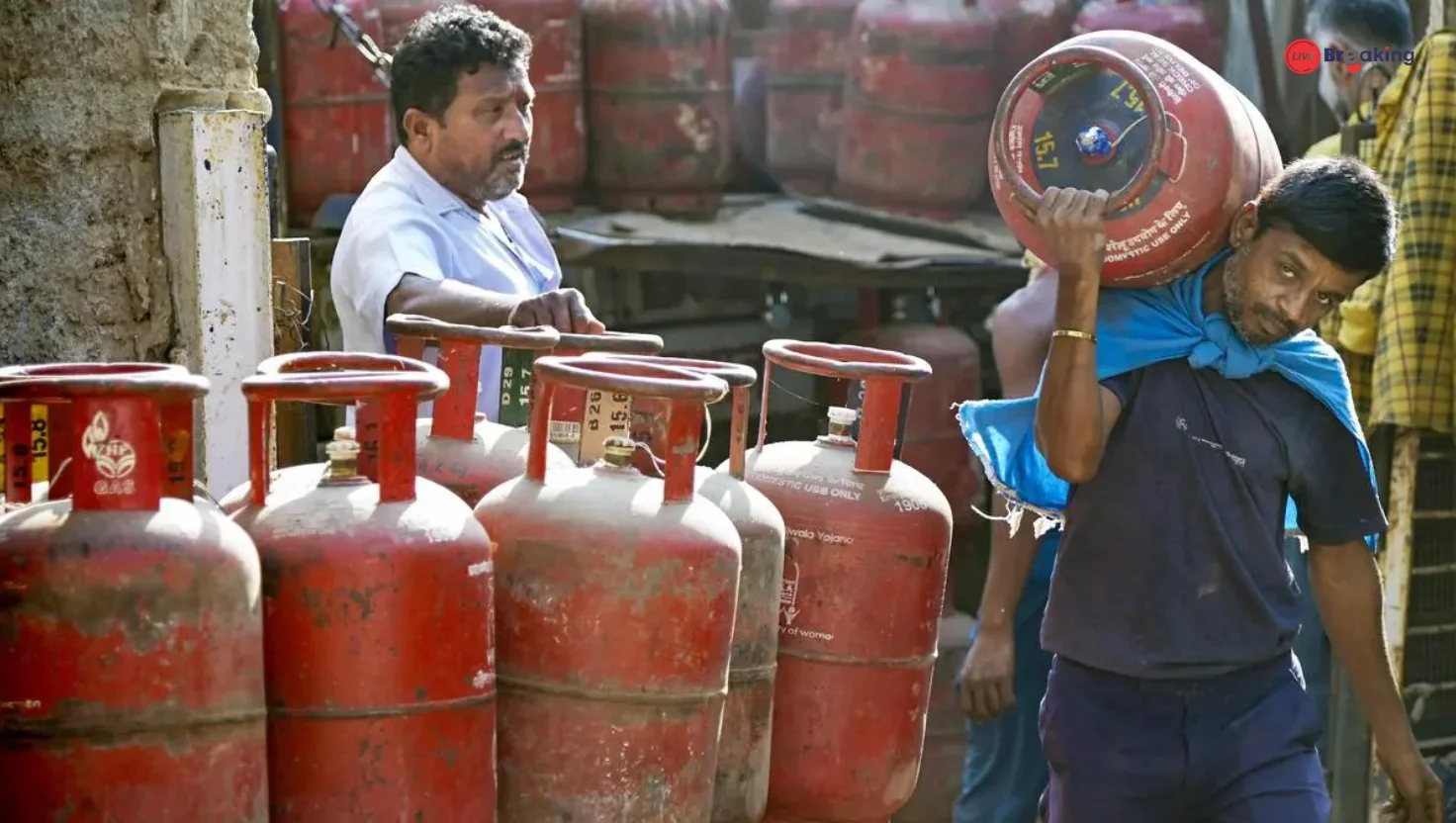
The escalating conflict in West Asia, particularly the ongoing Iran war, is beginning to affect everyday life in India in unexpected ways. One of the most visible impacts is being felt in the country’s restaurant industry, where many eateries are now struggling with a severe shortage of commercial LPG cylinders.
As gas supply chains are disrupted and the government prioritizes domestic household consumption, restaurants across major cities such as Bengaluru, Mumbai, Chennai, and Kolkata are being forced to adopt traditional cooking methods like wood and coal-fired stoves.
Industry bodies have warned that if the situation persists, thousands of small eateries could face closure while consumers may experience higher food prices and reduced menu options.
Why the Iran War Is Causing an LPG Shortage in India
The shortage of LPG in India is closely linked to the geopolitical crisis in the Middle East. The ongoing conflict has disrupted global energy supply chains, particularly shipments passing through the Strait of Hormuz, one of the world’s most critical energy trade routes.
Around 20% of the world’s oil and gas supplies pass through this narrow waterway, making it extremely vulnerable during geopolitical tensions.
When tensions escalated, shipping traffic through the strait dropped sharply, causing delays and supply disruptions worldwide.
India, which imports a significant portion of its LPG requirements, has been directly affected by these disruptions. To manage the crisis, the government has prioritized LPG supplies for households and essential services, leaving restaurants and other commercial establishments facing shortages.
Restaurants Across India Hit by LPG Crisis
Restaurant owners across several major cities have reported difficulties obtaining commercial LPG cylinders. In some areas, supplies have become irregular or temporarily unavailable.
Industry associations say that:
-
Commercial LPG bookings are being delayed
-
Some suppliers have run out of stock
-
Restaurants are forced to reduce cooking hours
-
Several small eateries are temporarily shutting down
Reports suggest that thousands of restaurants across India have been affected, especially in urban centers where food service businesses rely heavily on LPG for cooking.
In Chennai, some restaurants have already cut down their menu items to conserve gas supplies.
Eateries Return to Traditional Cooking Methods
Due to the LPG shortage, many restaurants are reverting to older cooking methods that were once common before gas cylinders became widely available.
These include:
-
Wood-fired stoves
-
Coal-based cooking
-
Charcoal grills
-
Electric induction cookers
In some restaurants, chefs have returned to wood and coal ovens to maintain operations. While this method keeps kitchens running, it also increases preparation time and operational costs.
Interestingly, some customers say that food cooked on wood fire actually tastes better, especially traditional dishes like tandoori items, biryani, and slow-cooked curries.
However, restaurant owners say these methods are only temporary solutions.
Impact on Food Menus and Customer Experience
The LPG shortage is also forcing restaurants to rethink their menus.
Slow-cooked dishes that require long hours of cooking, such as:
-
Biryani
-
Dal makhani
-
Chinese gravies
-
Roast meats
are being temporarily removed from some menus.
Instead, eateries are focusing on dishes that require less cooking time or alternative cooking methods.
This means customers may notice:
-
Smaller menus
-
Longer waiting times
-
Slightly higher food prices
Restaurant associations have warned that prolonged disruption could lead to higher food inflation in urban areas.
Government Measures to Handle the LPG Supply Crisis
To address the situation, the Ministry of Petroleum and Natural Gas has directed refineries to increase domestic LPG production.
Authorities are currently taking several steps, including:
-
Increasing LPG output at refineries
-
Prioritizing supply to households
-
Introducing restrictions on LPG booking intervals
-
Reviewing supply requests from restaurants and industries
A special committee has also been formed to evaluate LPG supply needs for hotels and restaurants.
These measures are expected to stabilize supply in the coming weeks if global energy routes resume normal operations.
How Long Could the Crisis Last?
Experts say the duration of the LPG shortage will largely depend on how long the geopolitical tensions continue in the Middle East.
Read more: “Don’t Dare”: Supreme Court Fumes As Bengal, Poll Body Spar Over Voter List
If shipping routes remain disrupted and energy prices stay high, the food industry could face prolonged challenges.
India is currently trying to diversify its energy imports by sourcing crude oil from multiple countries to reduce dependency on specific routes.
However, restaurant industry representatives say immediate support is necessary to prevent widespread closures.
Table: Impact of LPG Shortage on the Restaurant Industry
| Factor | Impact |
|---|---|
| LPG Supply | Reduced commercial cylinder availability |
| Restaurant Operations | Shift to wood, coal, and electric cooking |
| Food Menu | Limited dishes and reduced slow-cooked items |
| Food Prices | Potential increase due to higher costs |
| Customer Experience | Longer waiting times |
| Industry Risk | Possible closure of small eateries |
Future of the Restaurant Industry During Energy Disruptions
The current crisis has also highlighted the vulnerability of the food service industry to global energy disruptions.
Read more: Trump Alienation of India Called ‘Biggest Mistake’ by Former Australia PM Tony Abbott
Many restaurant chains are now exploring alternative energy options, including:
-
Electric cooking systems
-
Solar-powered kitchens
-
Biogas systems
-
Hybrid cooking equipment
These solutions could help businesses become more resilient in the future.
For now, however, restaurant owners across India are hoping for quick stabilization in global energy markets so they can return to normal operations.
FAQs
1. Why are restaurants switching to wood and coal for cooking?
Restaurants are facing a shortage of commercial LPG cylinders due to supply disruptions linked to the Iran war. As a result, many eateries are temporarily using wood or coal stoves.
2. Which cities in India are affected by the LPG shortage?
Major cities such as Bengaluru, Mumbai, Chennai, and Kolkata have reported restaurant disruptions due to the shortage of commercial LPG.
3. Is household LPG supply also affected?
Currently, the government is prioritizing LPG supply for households, so domestic cylinders are still available in most areas.
Read more: How Mossad Spies & Hacked Traffic Cameras Led to Khamenei Assassination – Deep Intel Report
4. Will food prices increase because of this crisis?
Yes, if the LPG shortage continues, restaurant operating costs may increase, which could lead to higher menu prices.
5. When will the LPG crisis end?
The duration depends largely on global geopolitical developments and the restoration of energy supply routes.
Conclusion
The ripple effects of the Iran war are being felt far beyond the battlefield, reaching restaurant kitchens across India. With LPG supplies under pressure, eateries are returning to traditional cooking methods like wood and coal just to keep their businesses running.
While the government is working to stabilize supply and increase domestic production, the restaurant industry remains vulnerable to global energy disruptions. For now, chefs, restaurant owners, and customers alike are adapting to a temporary return to old-school cooking in modern kitchens.