Winter Vaginal Health Problems: Can Dry Air Trigger Yeast Infections?
Winter Vaginal Health Problems: As the temperature drops and the air becomes colder and drier, many women notice changes in their skin, hair, and overall comfort. What’s less often discussed is how winter weather may affect vaginal health. Many women experience dryness, irritation, itching, and discomfort during the colder months — leading to an important question: can dry winter air trigger yeast infections? Let’s explore this in depth and separate fact from misconception.
How Winter Weather Affects Vaginal Health
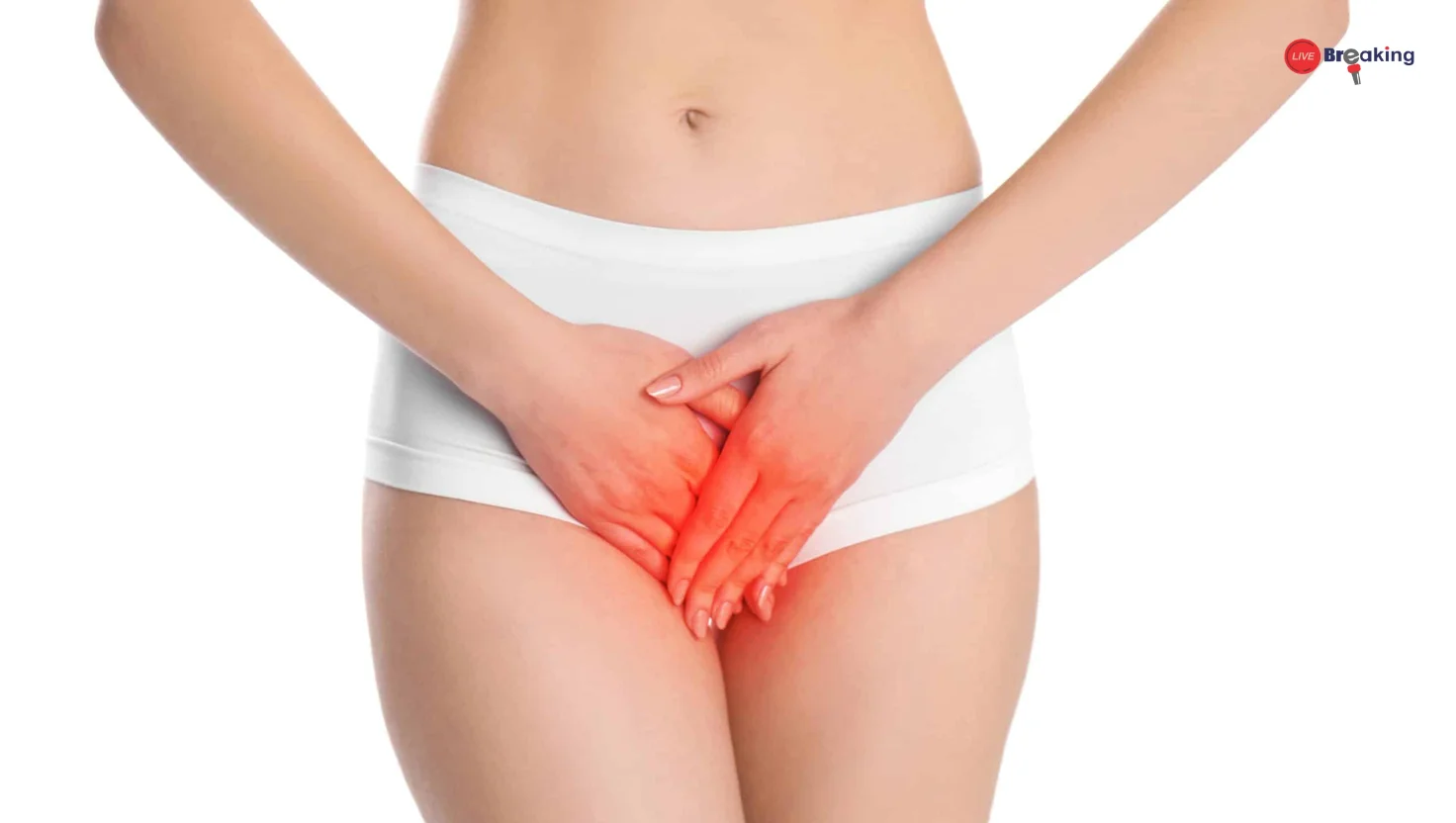
Winter conditions bring low humidity, constant indoor heating, and less water intake — all of which can dry out the skin and mucous membranes. The delicate skin around the vulva and vaginal opening can also become dry and more sensitive due to this loss of moisture.
-
Itching or mild burning
-
Sensitivity during intimacy
-
Irritation from tight clothing
-
Feeling uncomfortable or chafed
While the vagina itself is a self-lubricating organ capable of maintaining its own moisture, the area around it (vulva and external tissues) can become dry and irritated in low-humidity environments.
This phenomenon is sometimes referred to informally as “winter vagina,” where environmental dryness and heating systems strip moisture from skin and mucous membranes.
Does Dry Air Directly Cause Yeast Infections?
The short answer: no — dry air alone does not directly cause yeast infections.
Yeast infections are caused by an overgrowth of a fungus called Candida, which normally lives in small amounts within the vagina. An infection occurs when that yeast balance is disrupted — not because of cold air itself.
Common triggers for yeast infections include:
-
Antibiotic use (which can kill healthy bacteria)
-
Hormonal changes (e.g., pregnancy or birth control)
-
Weak immune system
-
Uncontrolled diabetes
-
Elevated moisture from synthetic or tight clothing
These factors change the internal environment of the vagina and make it easier for Candida to multiply out of control.
However, what dry air can do is create conditions that make infection more likely — indirectly. Dryness may lead to irritation, prompting frequent washing or use of harsh soaps, which can disturb the vaginal pH and friendly bacteria. This imbalance makes yeast overgrowth more probable.
Common Winter Vaginal Symptoms
Not every uncomfortable feeling in winter is a yeast infection. Some symptoms are due to dryness or irritation rather than an actual infection. These include:
-
Dryness around the vulva
-
Mild itching or irritation
-
Discomfort during intercourse
-
Redness without unusual discharge
In contrast, true yeast infections usually present with:
-
Thick, white cottage cheese–like discharge
-
Severe itching and burning
-
Redness and swelling
-
Pain during urination or sex
Understanding the difference between general winter dryness and a yeast infection is vital so women don’t self-treat incorrectly.
Read more: Common Symptoms, Serious Risks: How Bloating Can Indicate Stomach Cancer
Tips to Protect Vaginal Health in Winter
Maintaining comfort and health during the winter months doesn’t require drastic measures. These simple practices can help:
Stay Hydrated
Drink plenty of water to support your body’s natural moisture levels — this affects your skin and mucous membranes alike.
Choose Breathable Clothing
Cotton underwear and loose-fitting clothes allow airflow, reducing trapped moisture that can feed yeast growth.
Gentle Cleansing Only
Use mild, pH-balanced products and avoid scented soaps or wipes which can irritate and upset the healthy bacterial balance.
Moisturize When Needed
For women with persistent dryness, water-based vaginal moisturizers or lubricants can provide comfort.
Change Damp Clothes Promptly
Wet or sweaty clothes may promote fungal growth, so change quickly after workouts or long periods outdoors.
Read more: Boost Your Protein Intake with These 4 Delicious Homemade Ladoos
When to See a Doctor
Mild irritation and seasonal dryness are common and usually harmless. However, see a healthcare professional if:
-
Symptoms persist or worsen
-
You notice unusual discharge or odor
-
Severe itching affects daily life
-
Pain with urination or intercourse occurs
Accurate diagnosis ensures correct treatment, especially for infections.
Conclusion
Dry winter air does not directly trigger yeast infections, but it can contribute to discomfort and imbalances that increase vulnerability if other risk factors are present. Understanding how environmental and lifestyle factors influence intimate health helps women navigate winter confidently and maintain comfort throughout the season.