

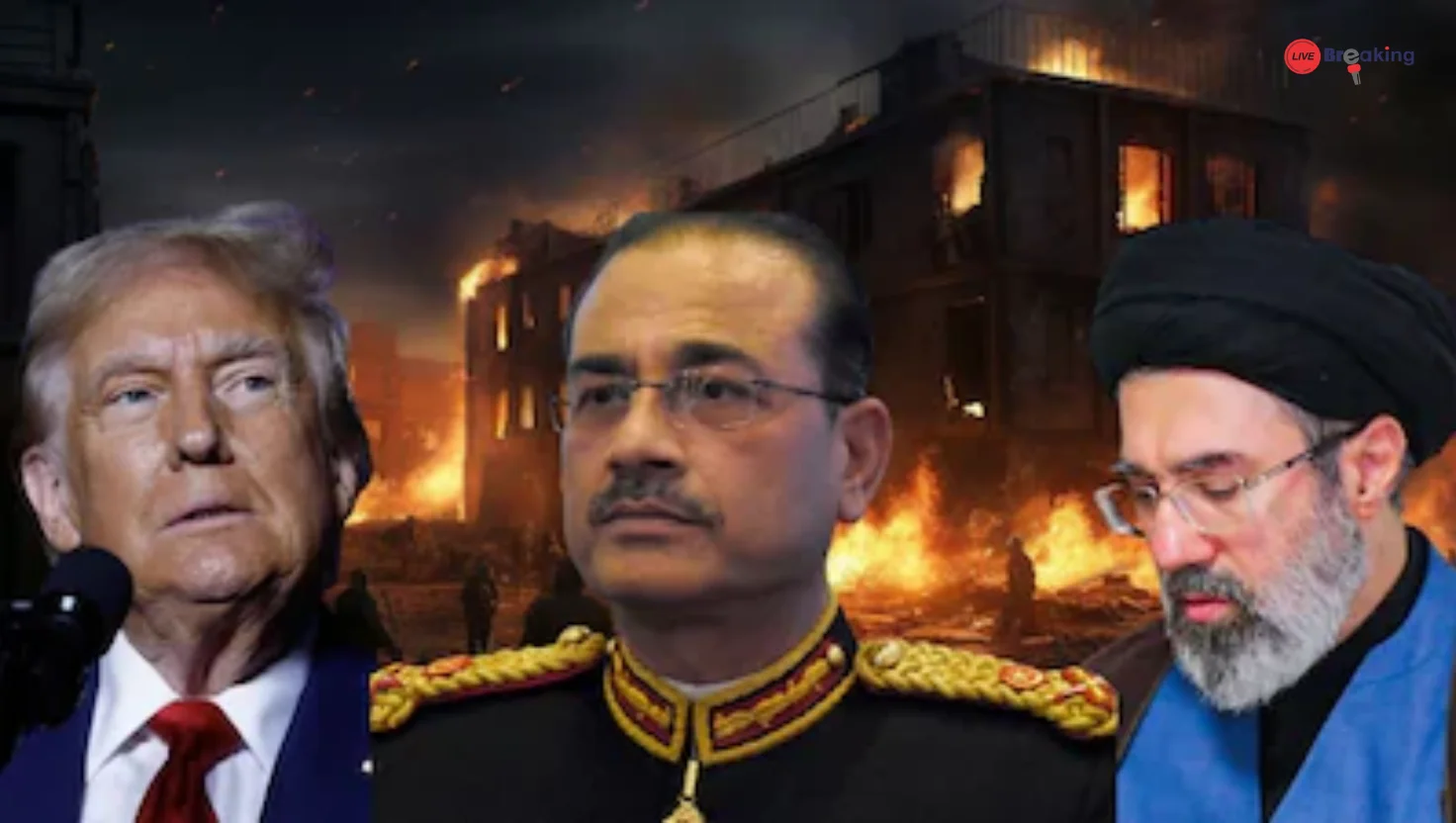
Why Both US And Iran Trusted Pakistan As Mediator In Ceasefire Talks
In a surprising yet significant geopolitical development, both the United States and Iran agreed to a temporary ceasefire in April 2026—with Pakistan emerging as the key mediator. This diplomatic breakthrough came amid escalating tensions, threats of large-scale military strikes, and global economic instability linked to the Strait of Hormuz crisis.
But what made Pakistan acceptable to two historically hostile nations? The answer lies in a combination of strategic neutrality, military influence, regional relationships, and timely diplomacy.
Pakistan’s Unique Position of Trust
Pakistan holds a rare geopolitical position—it maintains working relationships with both the United States and Iran. Unlike many nations that are firmly aligned with one side, Pakistan has carefully balanced its foreign policy.
- It shares a 900-km border with Iran, ensuring direct regional stakes.
- It has long-standing security and economic ties with the United States.
- It also maintains religious, cultural, and economic connections with Iran.
This balance allowed Pakistan to act as a neutral communication channel when direct dialogue between the US and Iran was nearly impossible.
Leadership Diplomacy: Role of Asim Munir & Shehbaz Sharif
A major factor behind the trust was the active involvement of Pakistan’s leadership:
- Field Marshal Asim Munir played a central role in backchannel negotiations.
- Prime Minister Shehbaz Sharif directly engaged global leaders and pushed for de-escalation.
Iran’s Foreign Minister publicly expressed gratitude toward Pakistan’s leadership for their “tireless efforts” in ending the conflict.
At the same time, US leadership acknowledged Pakistan’s role, signaling bipartisan confidence in Islamabad’s mediation.
Strategic Neutrality During the Conflict
Pakistan’s diplomatic credibility was strengthened by its neutral stance during the war:
- It condemned both US-Israeli strikes and Iranian retaliation.
- It avoided direct military involvement despite pressure from allies.
- It focused on dialogue and de-escalation instead of alignment.
This neutrality reassured both sides that Pakistan was not acting with hidden motives.
Read More: US Military Blew Up $100 Million Aircraft in Iran: Full Story Behind the Daring Rescue Mission
The “Islamabad Accord” Framework
Pakistan didn’t just mediate—it proposed a structured peace plan known as the Islamabad Accord (2026).
Key Features of the Plan:
| Feature | Description |
|---|---|
| Immediate Ceasefire | Halt all military operations |
| Strait of Hormuz Reopening | Ensure global oil supply stability |
| Two-Phase Negotiation | Ceasefire followed by long-term agreement |
| Neutral Communication Channel | Pakistan acted as the bridge |
This framework became the foundation for the two-week ceasefire agreement accepted by both sides.
Read More: Iran Supreme Leader Unconscious in Qom? Leadership Crisis & War Impact Explained
Global Pressure and Timing
The urgency of the situation also played a role:
- The conflict had already caused massive economic disruption globally.
- Oil supply chains were threatened due to the closure of the Strait of Hormuz.
- The US had issued a deadline for potential large-scale strikes.
Pakistan stepped in at a critical moment—offering a diplomatic solution just hours before escalation.
Pakistan’s Diplomatic Comeback
Interestingly, Pakistan’s role as mediator marks a major shift in its global image.
- Previously seen as diplomatically isolated, Pakistan has now re-emerged as a key global player.
- Improved ties with the US and strategic engagement with regional powers helped rebuild trust.
- Its ability to engage with China, Saudi Arabia, Iran, and the US simultaneously enhanced its credibility.
Read more: Bengal Most Polarised State: Supreme Court on Malda Judicial Officers Gherao Case
Why Both Sides Trusted Pakistan (Quick Summary Table)
| Factor | Why It Mattered |
|---|---|
| Neutral Foreign Policy | No strong bias toward either side |
| Strategic Location | Direct regional stakeholder |
| Military Influence | Strong institutional credibility |
| Leadership Engagement | Active diplomacy by top officials |
| Established Channels | Already acting as communication bridge |
| Timely Intervention | Stepped in before escalation |
FAQs
1. Why did the US and Iran choose Pakistan as mediator?
Pakistan was trusted due to its neutral stance, existing diplomatic ties with both nations, and its ability to act as a reliable communication channel.
2. What is the Islamabad Accord?
It is a ceasefire framework proposed by Pakistan that includes an immediate halt to hostilities and a roadmap for long-term peace negotiations.
Read more: Plane and Truck Collision at LaGuardia Airport: Multiple Injuries Reported in New York
3. Who played a key role in the mediation?
Pakistan’s Army Chief Asim Munir and Prime Minister Shehbaz Sharif were central figures in facilitating the talks.
4. What was the outcome of the mediation?
A temporary two-week ceasefire was agreed upon, preventing further escalation and reopening critical oil routes.
5. Why is the Strait of Hormuz important?
It is one of the world’s most critical oil transit routes, and its closure can disrupt global energy supplies.
Conclusion
Pakistan’s role as a mediator in the US-Iran ceasefire talks highlights a powerful lesson in diplomacy: credibility, neutrality, and timing matter more than sheer power.
Read More: US Fighter Jets Hit Over Iran: 2 Pilots Rescued, 1 Missing Amid Rising Tensions
By maintaining balanced relations, leveraging strong leadership, and proposing a practical peace framework, Pakistan positioned itself as a trusted intermediary in one of the world’s most sensitive conflicts.
As global tensions continue to evolve, this moment may redefine Pakistan’s place on the international stage—not just as a regional player, but as a key diplomatic bridge in global conflict resolution.