Why US May Not Attack Iran Despite Trump ‘Military Action’ Threats
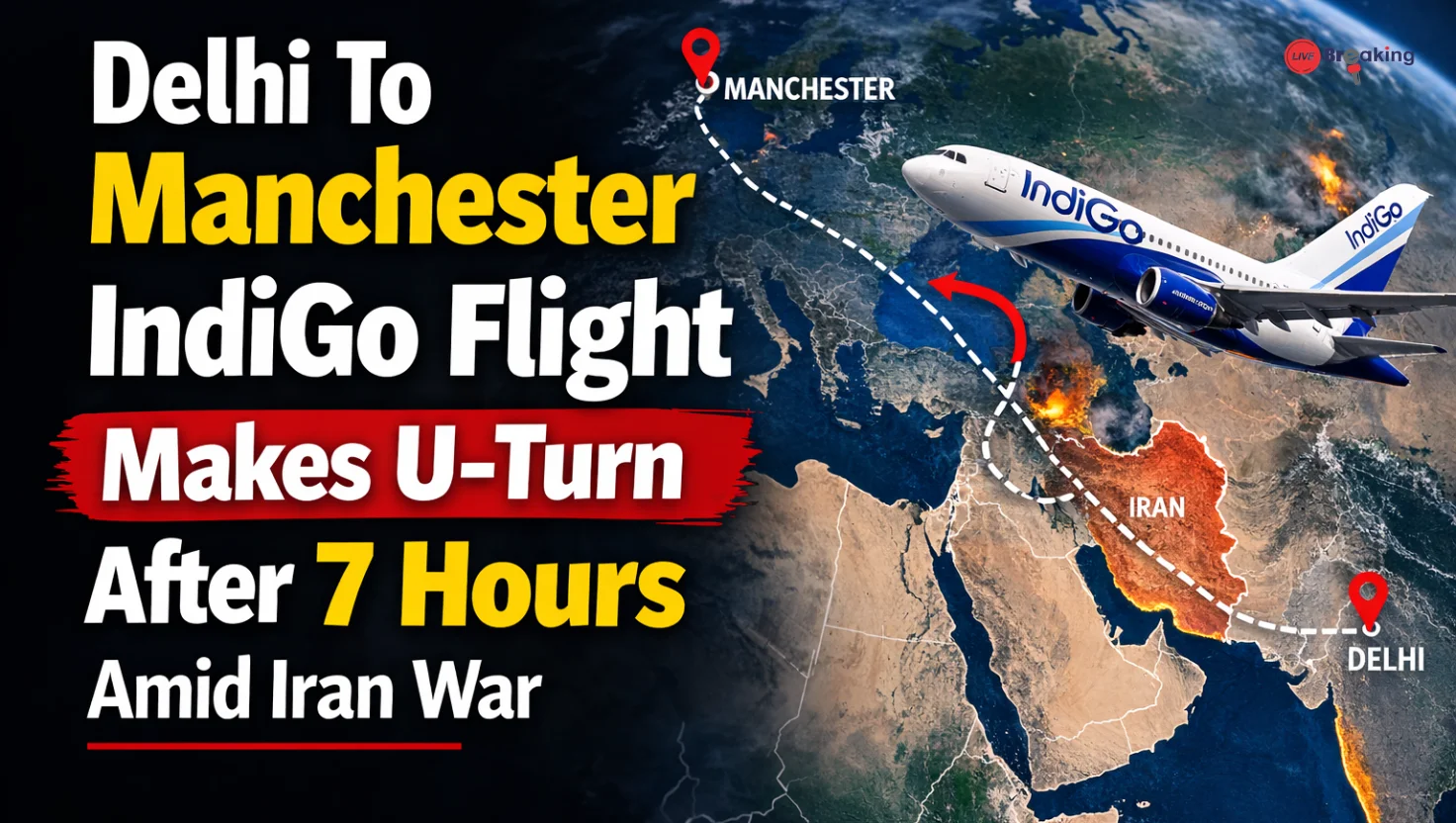
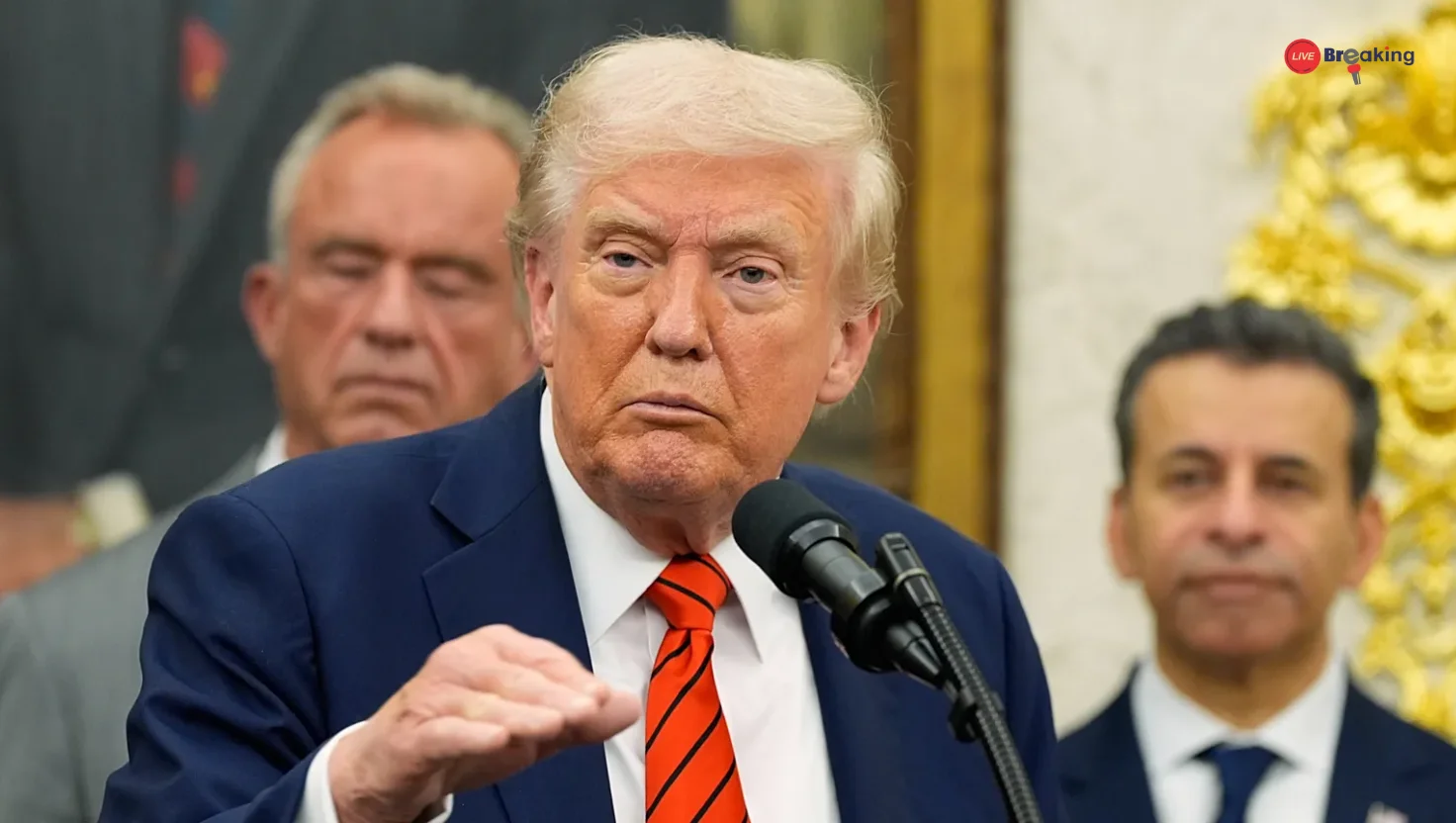
In recent days, renewed tensions between the United States and Iran have sparked global concern, especially after former US President Donald Trump warned of possible “military action.” While such statements grab headlines and fuel speculation, history and geopolitics suggest that a full-scale US attack on Iran remains unlikely.
This explainer breaks down the key reasons why Washington may ultimately choose restraint over war.
Strategic Costs of a Direct Military Conflict
A military confrontation with Iran would not resemble past US interventions in the Middle East. Iran possesses significant defensive capabilities, including advanced missile systems, regional proxy forces, and cyber warfare tools. Any direct attack could trigger retaliation not only against US assets but also against allies across the region.
Iran’s influence stretches through Iraq, Syria, Lebanon, and Yemen, meaning a single strike could escalate into a multi-front conflict. For the US, this would involve enormous military, economic, and political costs—far outweighing the short-term impact of a show of force.
Risk of Regional Destabilization
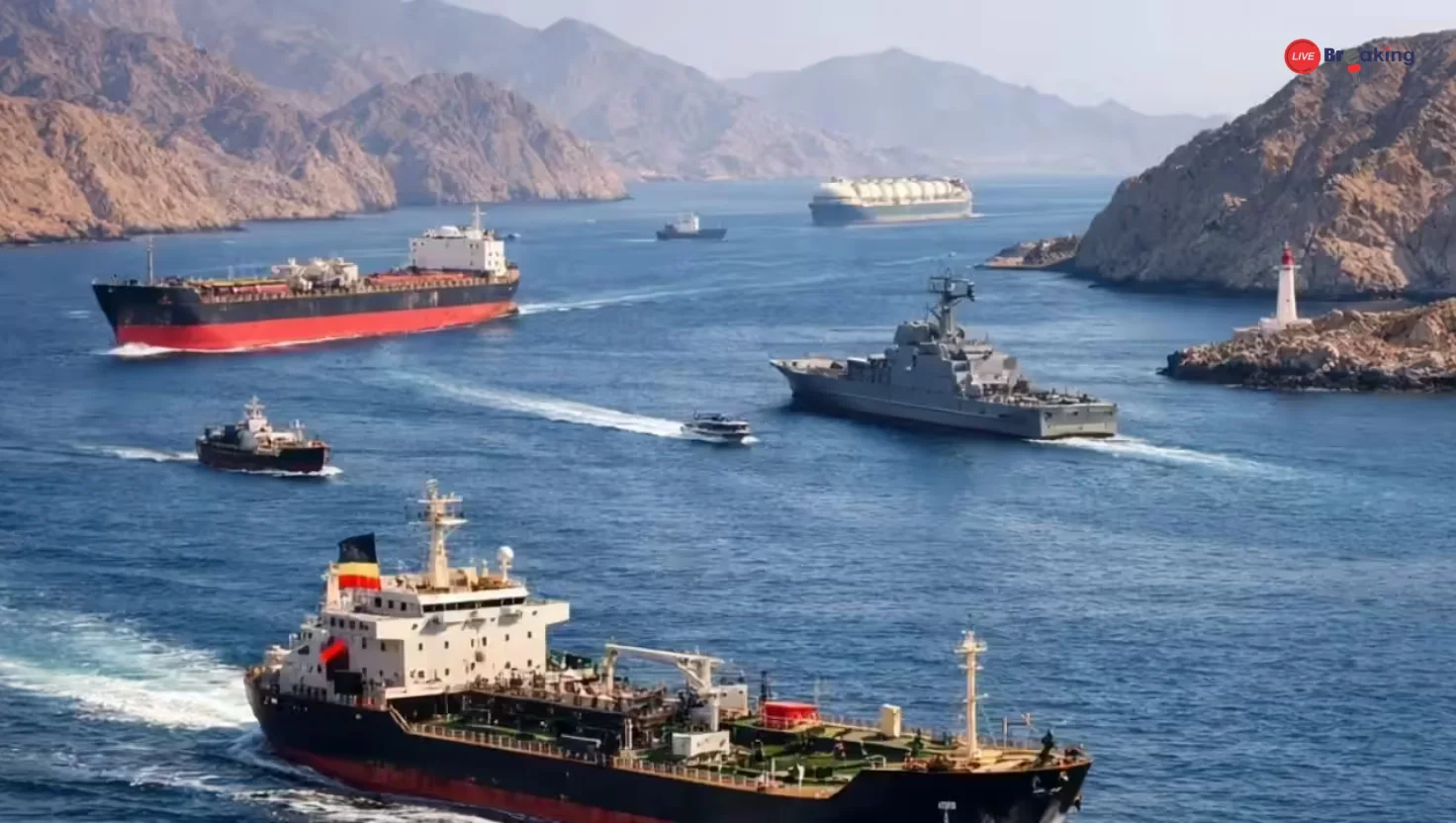
The Middle East is already grappling with instability, ongoing conflicts, and fragile ceasefires. A US-Iran war could disrupt oil shipping routes such as the Strait of Hormuz, through which nearly one-fifth of the world’s oil supply passes.
Any disruption here would spike global oil prices, worsen inflation, and trigger economic shocks worldwide. Allies in Europe and Asia—many of whom rely heavily on Middle Eastern energy—have consistently urged Washington to avoid escalation with Tehran.
Domestic Political Considerations in the US
Despite tough rhetoric, American public appetite for another long overseas war remains low. After years of involvement in Iraq and Afghanistan, voters are increasingly wary of military interventions that lack clear end goals.
For any US leader, including Trump, ordering an attack on Iran would invite intense scrutiny from Congress, the media, and the public. Without a direct and immediate threat to US soil, building domestic consensus for war would be extremely difficult.
Diplomatic and Economic Pressure Still Preferred
Sanctions and diplomacy remain Washington’s primary tools against Tehran. Iran’s economy has already suffered under strict US-led sanctions, affecting oil exports, currency value, and domestic stability.
From the US perspective, maintaining economic pressure—while keeping military action as a deterrent—allows leverage without the risks of open warfare. This strategy also keeps international partners aligned, something a unilateral military strike could jeopardize.
Iran’s Calculated Response Strategy
Iran, too, has shown restraint when faced with US threats. While it often responds through indirect means—such as cyber operations or allied militias—it has generally avoided actions that would justify a full-scale US invasion.
This mutual understanding of “red lines” reduces the likelihood of immediate war, even when rhetoric becomes heated.
Military Threats as Political Messaging
Trump’s warnings should also be viewed through the lens of political signaling. Strong language toward Iran has long resonated with certain voter bases and international audiences. Such statements reinforce an image of strength without necessarily indicating imminent action.
Read more: BJP-Congress Alliance in Ambernath: A Rare Political Twist in Maharashtra
Historically, US administrations have often used military threats to extract concessions, deter adversaries, or influence negotiations—without following through on direct attacks.
Global Powers Act as a Restraining Force
Major global players such as Russia and China maintain close ties with Iran. Any US military action could draw diplomatic backlash or indirect involvement from these powers, complicating global security dynamics.
The US is acutely aware that confronting Iran is not just a regional issue—it has global ramifications that could strain already tense international relationships.
Read more: No More 10-Minute Delivery Promise: Govt Orders Blinkit, Swiggy to Drop Ultra-Fast Claims
Conclusion: Rhetoric vs Reality
While Trump’s “military action” warnings are serious and cannot be dismissed outright, they are far from a declaration of war. Strategic risks, economic consequences, political realities, and international pressure all point toward caution.
For now, the balance of power suggests that both Washington and Tehran will continue to engage in brinkmanship rather than open conflict—using words, sanctions, and diplomacy instead of missiles.