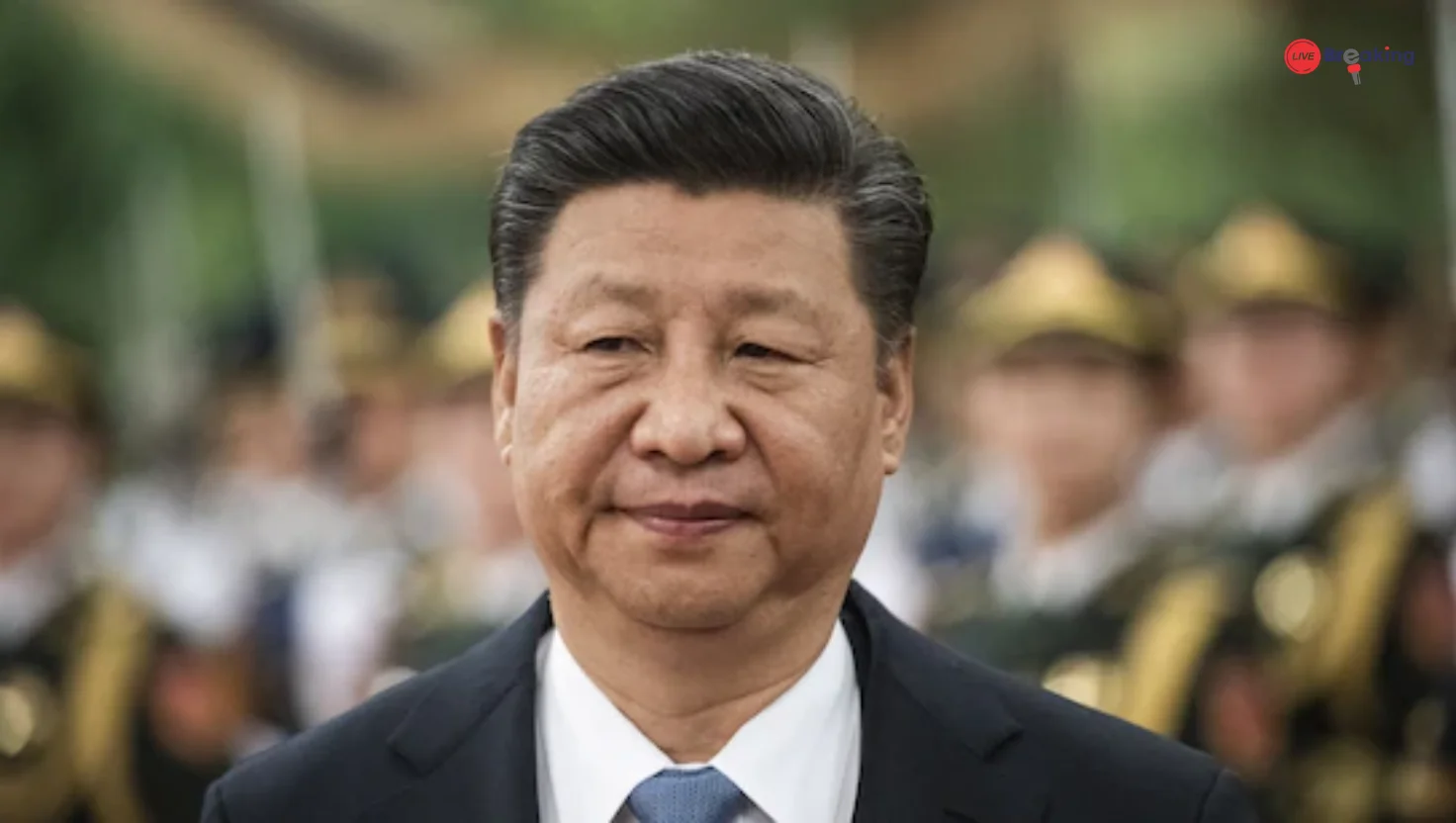
Why China Is Silent on Iran War Explained — Strategy, Oil Security & Global Politics
The sudden escalation of conflict in the Middle East involving Iran, the United States and Israel has drawn global attention — yet one major world power has been notably restrained in its commentary: China. While condemning violence and urging peace, Beijing has not taken a sharply outspoken stance against Iran’s adversaries. Experts say this “strategic silence” reflects a deeper calculation, shaped by energy dependency, long-term geopolitics, and the prioritization of stability over confrontation.
The Latest Context — Escalation in the Middle East and China’s Reaction
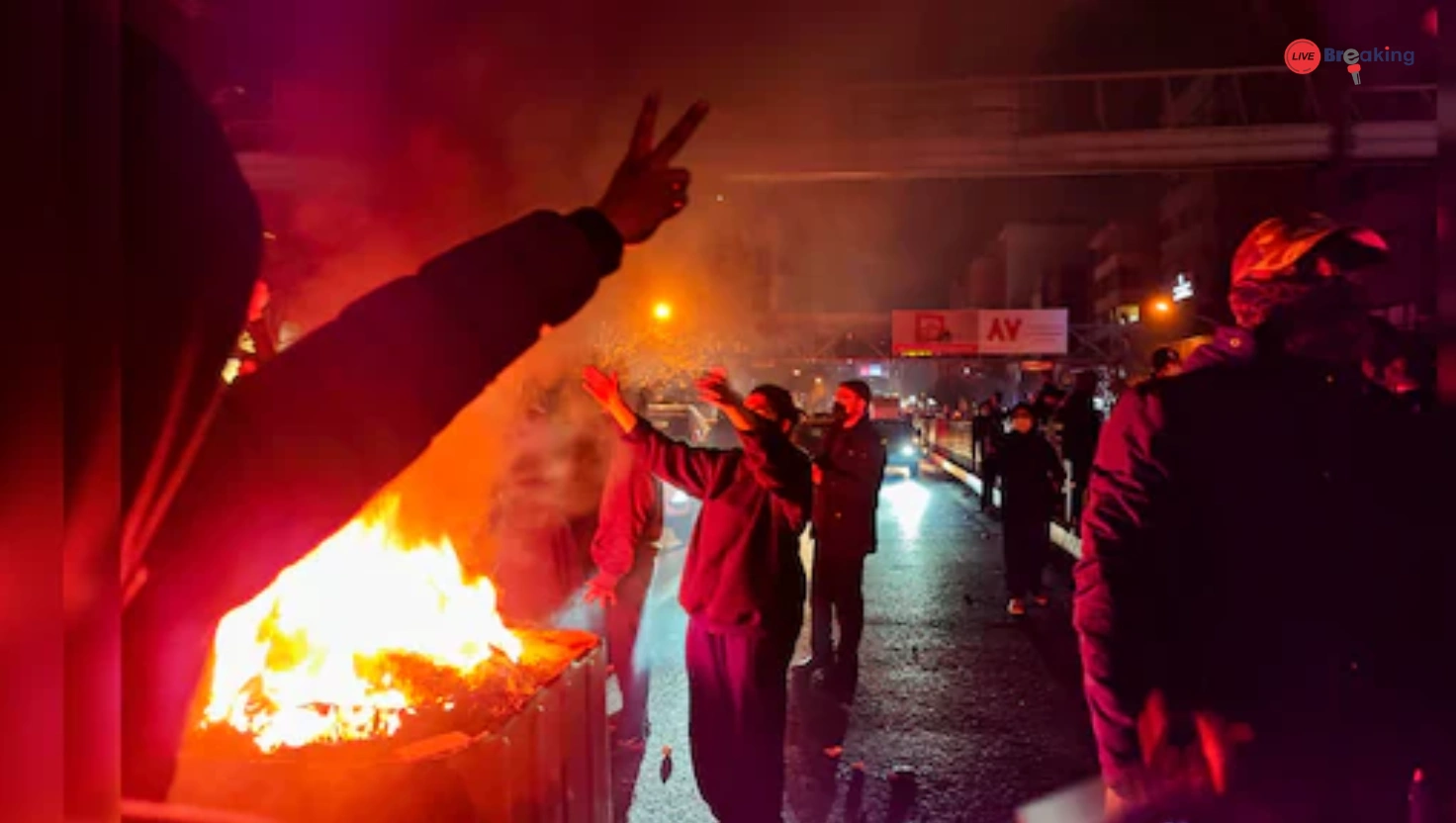
Recent military strikes by U.S. and Israeli forces have devastated strategic sites within Iran — including key nuclear facilities — prompting retaliatory strikes from Tehran. These developments have reverberated globally, leading to rising oil prices and concerns over stability in vital shipping routes like the Strait of Hormuz.
China strongly condemned the attacks as “unacceptable” violations of sovereignty, and urged an immediate ceasefire and return to diplomacy, but stopped short of aggressive economic or military responses.
China’s Strategic Interests in Iran — Energy & Economics
Energy Security and the Strait of Hormuz
One of the most critical factors shaping Beijing’s stance is energy security. China relies heavily on oil imports that transit through the Strait of Hormuz — a narrow maritime chokepoint that handles roughly 40% of global seaborne crude and nearly half of China’s oil imports. A disruption here would have profound impacts on its economy.
Economic Ties and Investments
China and Iran are bound by a 25-year cooperation framework encompassing energy supply, infrastructure investment, and broader trade — a deal central to both nations’ long-term ambitions. Despite this, China has guarded against overt entanglement in military conflict, emphasising diplomacy over escalation.
Why Not Take a Harder Line for Iran? Understanding the Calculus
1. Diplomatic Flexibility Over Rigid Alliances
China often prefers to avoid formal military entanglements or public confrontations that limit future policy options. By maintaining measured language, Beijing keeps diplomatic channels open with multiple actors in the Middle East, including Gulf states allied to the U.S.
2. Balancing Regional Ties
Iran is strategically important, but not China’s only partner in the Middle East. Beijing has robust economic relations with countries such as Saudi Arabia and other Gulf monarchies. A hard-line position could jeopardise these ties.
Read more: Iran Enters Survival Mode After Assassination Of Supreme Leader Khamenei
3. Playing the Long Game
Analysts argue that China’s “silence” is not indifference, but a long-term strategy aimed at maximising influence without sacrificing strategic goals in the short term. Beijing’s emphasis on negotiation and de-escalation resonates with its broader foreign policy of avoiding direct confrontation with the U.S. or military engagement overseas.
Regional and Global Political Implications
A Test for China’s Global Role
The Iran conflict highlights limits in China’s current global influence. While Beijing is a major economic partner to many nations, its reluctance to act as a military or diplomatic “counterweight” underlines a cautious approach to international security crises.
Impact on U.S.–China Relations
The conflict occurs amidst tense U.S.–China dynamics. China’s framing of events — including state media attributing blame to U.S. and Israeli actions — reflects broader rivalry. Yet Beijing’s silence allows it to avoid direct diplomatic confrontation.
Read more: ‘I Would Intervene But…’: Trump On Pakistan-Afghanistan “Open War”
Comparison Table: China’s Approach vs. Other Major Powers
| Country | Public Stance on Iran Conflict | Key Strategy |
|---|---|---|
| China | Condemns violence, avoids hard commitments | Diplomacy, stability, energy protection |
| United States | Strong military action | Containment of Iranian influence |
| Israel | Aggressive military engagement | Security and deterrence |
| European Union | Calls for restraint & law adherence | Multilateral diplomacy |
(Compiled from multiple global reactions following the conflict escalation.)
FAQs — China and Iran Conflict
Q1: Why hasn’t China openly backed Iran militarily?
China values diplomatic flexibility, avoids binding military commitments, and prefers peace-oriented language while protecting its interests.
Q2: What economic interests does China have in Iran?
China imports significant oil from Iran and has invested in long-term infrastructure and trade programs, including a 25-year cooperation agreement.
Read more: PM Modi Congratulates BNP’s Tarique Rahman: “India Will Support Democratic, Inclusive Bangladesh”
Q3: Is China worried about global energy disruption?
Yes — with a substantial portion of its energy imports transiting the Strait of Hormuz, Beijing is highly sensitive to disruptions in global oil supply.
Q4: Does China support peace negotiations?
Official Chinese statements call for immediate ceasefire, talks, and de-escalation to avoid further instability.
Q5: Could China shift its stance in future?
Beijing’s position may evolve based on strategic interests and global diplomatic shifts, but its core approach prioritises stability and energy security.