What Pregnant Women Should and Shouldn’t Eat in Winter
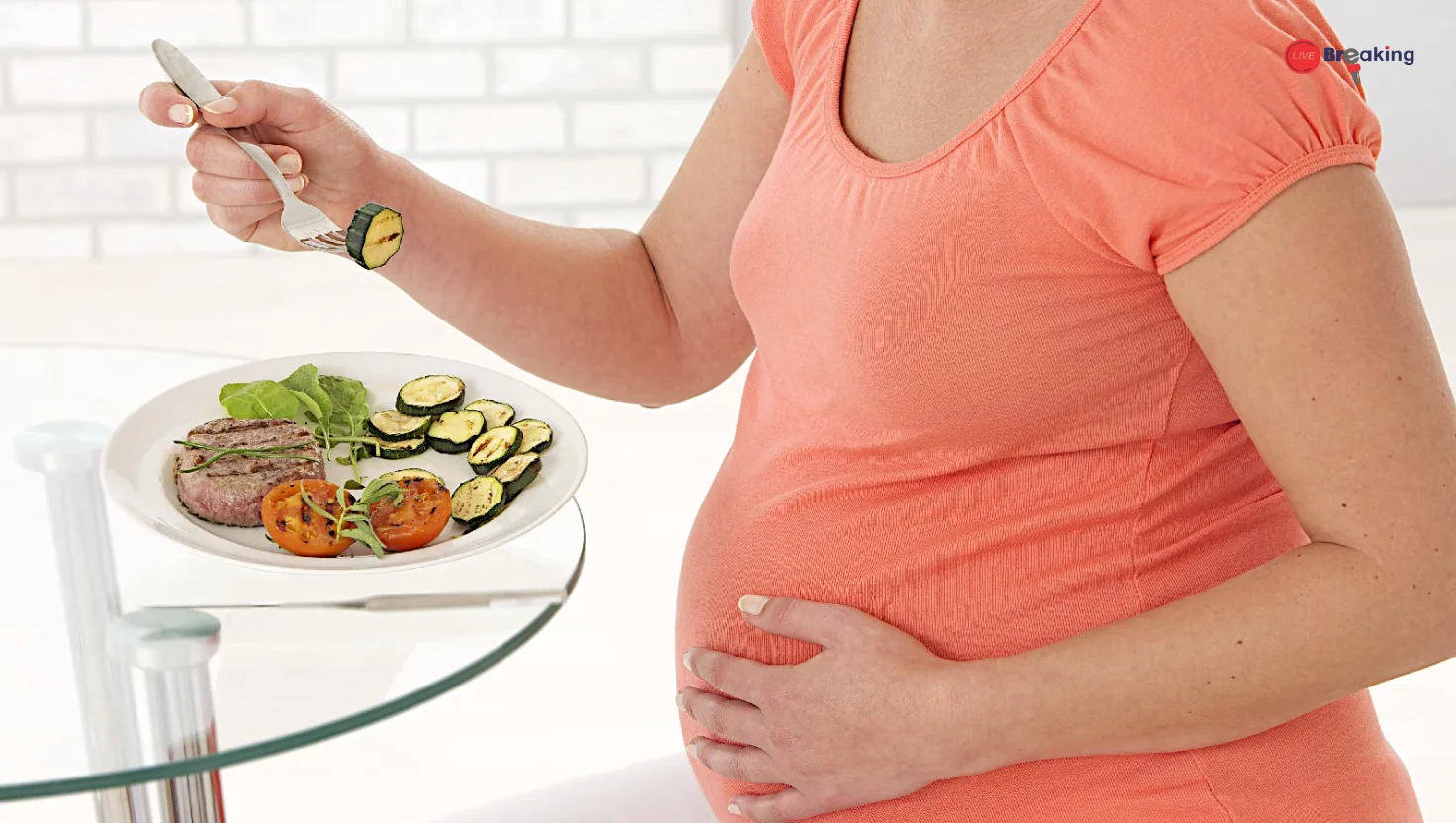
Winter is a special time during pregnancy. The body needs extra warmth, immunity support, and nourishment to protect both the mother and the growing baby. Cold weather can weaken immunity, slow digestion, and increase cravings for comfort foods. However, not all winter foods are safe or beneficial during pregnancy.
A balanced winter pregnancy diet helps maintain energy levels, supports fetal development, and reduces common seasonal issues like colds, fatigue, and joint pain. Knowing what to eat and what to avoid during winter pregnancy can make a big difference.
Why Winter Nutrition Is Important During Pregnancy
During winter, the body burns more calories to stay warm, digestion can become sluggish, and exposure to infections increases. Pregnant women already have a sensitive immune system, making proper nutrition essential.
A winter-friendly pregnancy diet should:
-
Strengthen immunity
-
Improve digestion
-
Provide warmth and energy
-
Support baby’s brain and bone development
Foods Pregnant Women Should Eat in Winter
1. Seasonal Fruits and Vegetables
Winter fruits and vegetables are rich in vitamins, antioxidants, and fiber.
Best options include:
-
Oranges, guava, apples, pears
-
Carrots, spinach, beetroot, broccoli
-
Sweet potatoes and pumpkin
These foods boost immunity and help prevent constipation, a common pregnancy issue in winter.
2. Warm, Home-Cooked Meals
Warm foods are easier to digest and help maintain body temperature.
Healthy choices:
-
Vegetable soups and lentil stews
-
Whole-grain rotis and rice
-
Cooked vegetables instead of raw salads
Avoid eating cold or refrigerated foods directly during winter.
3. Protein-Rich Foods
Protein is essential for fetal growth and muscle development.
Winter-friendly protein sources:
-
Eggs (well-cooked)
-
Lean meats and fish
-
Paneer, tofu, lentils, and beans
-
Nuts and seeds like almonds and walnuts
Soaked nuts are especially beneficial for digestion and warmth.
4. Dairy Products
Dairy provides calcium, protein, and vitamin D, which are crucial during pregnancy.
Recommended options:
-
Warm milk
-
Yogurt (not too cold)
-
Homemade paneer
Calcium supports baby’s bones and teeth while protecting the mother from joint pain.
5. Healthy Fats
Good fats help brain development and provide warmth during cold weather.
Include:
-
Ghee in moderation
-
Olive oil or mustard oil
-
Avocados and nuts
Foods Pregnant Women Should Avoid in Winter
1. Street Food and Junk Food
Winter cravings often lead to fried and street foods, but these can be risky.
Avoid:
-
Fried snacks and fast food
-
Street chaat and uncovered food
-
Packaged junk food
They may cause indigestion, infections, and unnecessary weight gain.
Read more: Best Ayurvedic Remedies for Menstrual Pain Relief
2. Cold and Raw Foods
Cold foods can slow digestion and worsen throat infections.
Limit:
-
Ice cream and cold drinks
-
Refrigerated leftovers
-
Excessive raw salads
Opt for lightly cooked vegetables instead.
3. Excess Sugar and Refined Carbs
Too much sugar can lead to gestational diabetes and low energy levels.
Avoid:
-
Sweets and pastries
-
Sugary beverages
-
White bread and refined flour items
4. Excessive Caffeine
Too much caffeine can affect fetal growth.
Limit:
-
Coffee
-
Strong tea
-
Energy drinks
Switch to warm herbal teas approved by your doctor.
Winter Pregnancy Diet Tips
-
Eat small, frequent meals
-
Stay hydrated with warm water
-
Include soups and broths daily
-
Avoid skipping meals
-
Always consult your doctor before adding supplements
FAQs
What fruits are best for pregnant women in winter?
Winter fruits like oranges, apples, guava, and pears are excellent for immunity and digestion during pregnancy.
Read more: Understanding IVF Treatment, Costs and How to Choose the Right IVF Centre
Can pregnant women eat eggs in winter?
Yes, well-cooked eggs are safe and provide high-quality protein essential for baby’s growth.
Is it safe to drink milk during winter pregnancy?
Yes, warm milk is highly recommended as it provides calcium, protein, and helps improve sleep.
Should pregnant women avoid cold foods in winter?
It’s best to limit cold and refrigerated foods as they can slow digestion and increase the risk of infections.
Final Thoughts
A healthy winter diet during pregnancy focuses on warmth, nutrition, and immunity. Choosing seasonal, home-cooked foods while avoiding junk, cold, and unsafe items ensures both mother and baby stay healthy throughout the cold months. Simple dietary changes can make winter pregnancy comfortable, nourishing, and safe.