Varicose Veins: Understanding a Common Condition Beyond the Fear
Varicose veins are a widely seen vascular issue that affects millions of people globally. Although many assume they are only a cosmetic concern, the reality is that they reflect underlying vein function and circulation patterns. Understanding what they are, what causes them, and when to seek help can reduce anxiety and empower better 건강 choices.
What Are Varicose Veins?
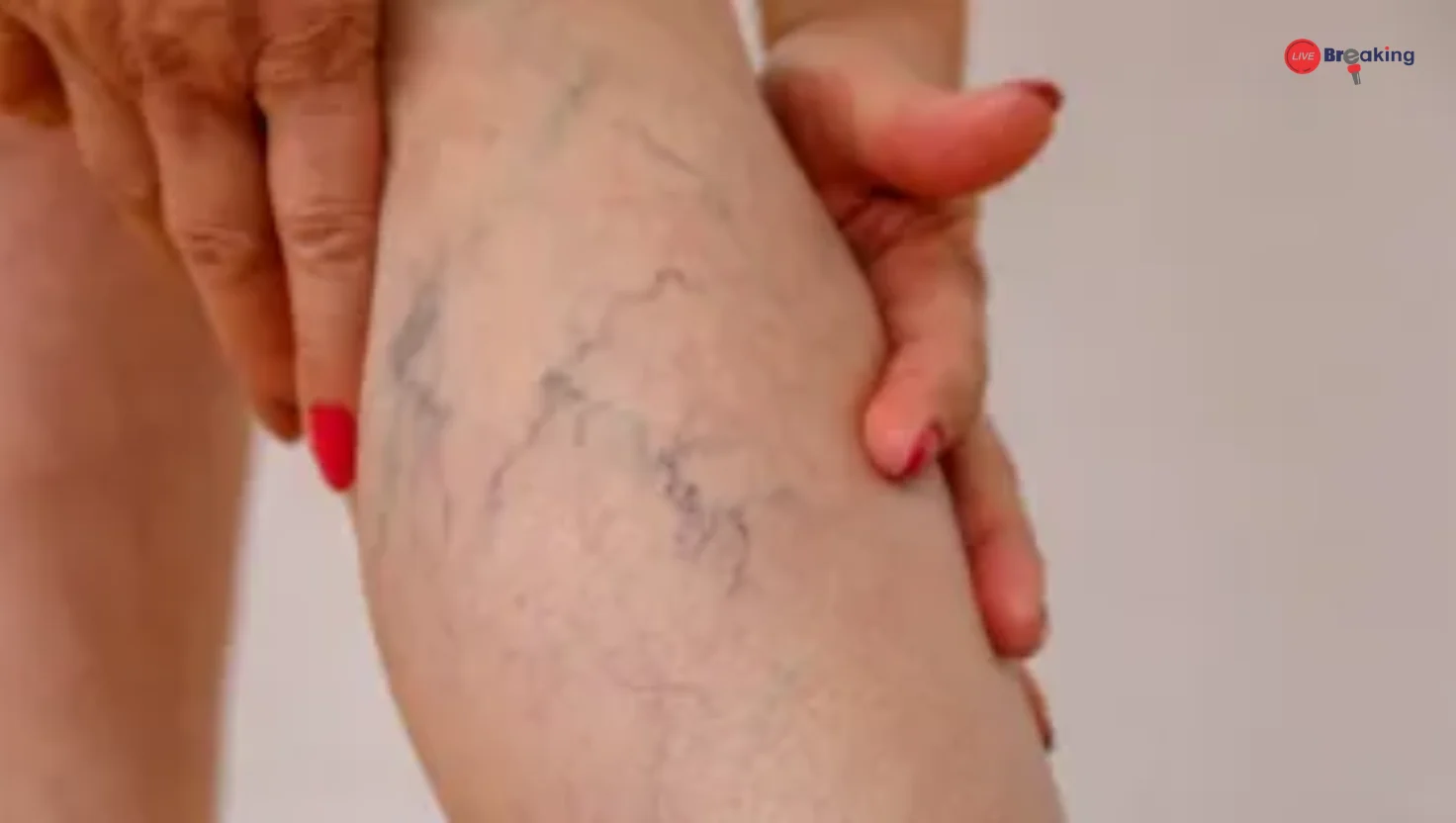
Varicose veins are swollen, enlarged, and twisted veins that appear just under the surface of the skin — most often in the legs and ankles. The veins may look blue or dark purple and can be rope-like or bulging.
Veins carry blood toward the heart, and one-way valves inside them prevent blood from flowing backward. When these valves weaken or fail, blood pools in the vein instead of continuing upward. This pooling expands the vein and causes the classic twisted appearance of varicose veins.
Why Do Varicose Veins Develop?
The circulatory system in the legs works against gravity, and when valves weaken, pressure increases in the veins. Factors that contribute include:
-
Valve weakening with age: The elasticity of vein walls decreases over time.
- Genetics and family history: A strong predictor of varicose vein development.
- Hormonal influences: Pregnancy and female hormones can relax vein walls.
- Prolonged standing or sitting: Keeps blood from flowing efficiently.
- Overweight or obesity: Adds pressure to the veins.
While many people associate varicose veins with aging, younger adults can develop them too — especially if there are genetic predispositions or lifestyle pressures.
Signs and Symptoms
Not everyone with varicose veins experiences discomfort. Many simply notice their appearance. However, symptoms can include:
- Visible enlarged veins that are blue or purple.
- Achiness or heaviness in the legs, particularly after standing.
- Swelling or itching around the veins.
- Cramps and fatigue in the lower legs.
- Skin changes or ulcers in more severe cases.
Often these symptoms are worse at the end of the day or after long periods on your feet, and may ease with rest, leg elevation, or compression stockings.
Diagnosis and When to Seek Medical Care
A physician usually diagnoses varicose veins through a physical exam and medical history — observing leg veins while you are standing or sitting.
In some cases, a Duplex ultrasound may be used to assess blood flow and valve function. If symptoms like swelling, severe pain, skin sores, or bleeding occur, consult a healthcare provider promptly.
Treatment Options
While varicose veins often do not require urgent medical intervention, treatment is recommended when symptoms are uncomfortable or worsening.
Read more: Winter Vaginal Health Problems – Does Dry Air Cause Yeast Infections?
Lifestyle and Supportive Measures
- Regular exercise to boost circulation.
- Avoid prolonged standing/sitting.
- Wearing compression stockings.
- Maintaining a healthy weight.
Medical Procedures
- Sclerotherapy — saline or chemical solution injected into veins.
- Thermal ablation — laser or radiofrequency used to close veins.
- Microphlebectomy — removal of varicose veins through tiny incisions.
- Vein stripping (less common now).
These treatments aim to relieve symptoms, improve appearance, and prevent complications.
Prevention and Self-Care Tips
While not all varicose veins can be prevented, certain habits can reduce risk or slow progression:
- Stay active with walking or low-impact exercise.
- Elevate legs during rest.
- Maintain healthy weight and diet.
- Avoid prolonged immobility.
FAQs (Frequently Asked Questions)
Q: Are varicose veins life-threatening?
A: Most cases are not life-threatening but can cause discomfort or complications if untreated.
Q: Can they go away on their own?
A: Rarely. Lifestyle changes may ease symptoms but usually do not reverse varicose veins.
Q: Is treatment only cosmetic?
A: Not always. Treatment can relieve pain and prevent complications.
Q: Can exercise help?
A: Yes — regular movement improves circulation and reduces symptoms but doesn’t cure the condition.