

US Was Desperate For Iran Ceasefire, Pushed Pakistan For A Deal: Report
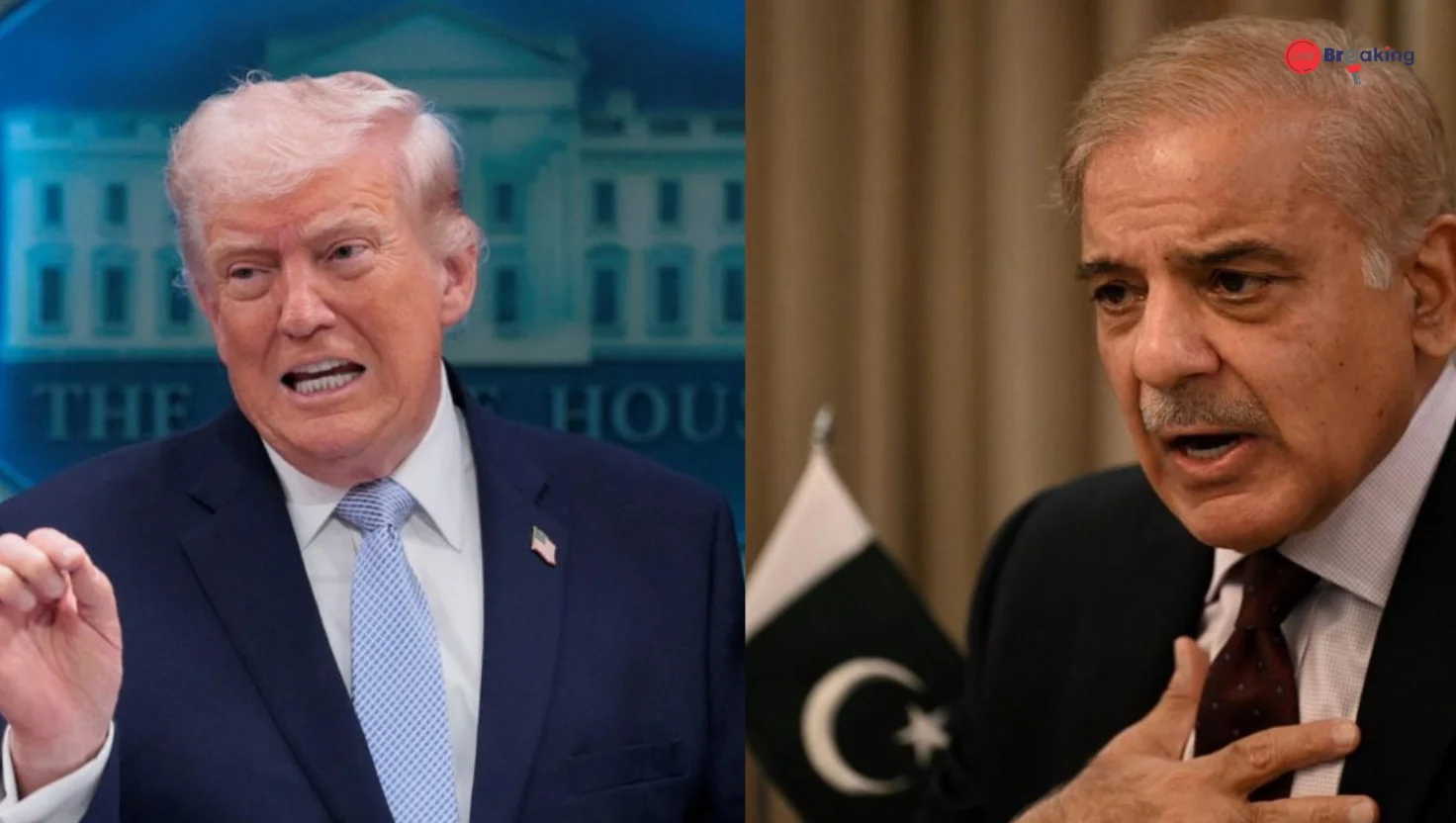
In a significant geopolitical development, reports suggest that the United States played a far more active role behind the scenes in securing a ceasefire with Iran than publicly acknowledged. While Pakistan was widely projected as a neutral mediator, emerging details indicate that Washington may have leaned heavily on Islamabad to broker a temporary truce.
The development comes amid escalating tensions in the Middle East, disruptions in global oil supply routes, and fears of a broader regional conflict. The ceasefire, though temporary, has opened the door to diplomatic negotiations while raising critical questions about power dynamics and strategic influence.
What the Report Reveals About US Pressure on Pakistan
According to reports, the US administration actively encouraged Pakistan to act as a diplomatic intermediary in negotiations with Iran.
- The US reportedly saw Pakistan as a strategic messenger due to its geographic proximity and religious ties with Iran.
- Washington believed Iran would be more receptive to a proposal coming from a Muslim-majority neighboring country.
- Behind closed doors, US officials were keen to secure a ceasefire, despite public statements suggesting otherwise.
This reveals a contrast between public rhetoric and private diplomacy, where geopolitical strategies often unfold quietly.
Pakistan’s Role – Mediator or Messenger?
Pakistan’s involvement has been described both as a diplomatic success and as a strategic obligation.
Key Contributions:
- Facilitated backchannel communication between Washington and Tehran
- Delivered ceasefire proposals and negotiated terms
- Hosted potential peace talks in Islamabad
Pakistan’s leadership, including its military and political figures, played a crucial role in bridging the gap between two long-time adversaries.
However, some analysts argue that Pakistan was not entirely neutral but rather acted as a conduit for US interests.
Why the US Wanted a Ceasefire Urgently
Several factors explain why the US may have been eager to de-escalate tensions:
1. Oil Supply Disruptions
The Strait of Hormuz, a critical global oil route, was under threat, causing volatility in energy markets.
2. Rising Global Economic Pressure
- Oil prices surged close to $100 per barrel
- Global markets reacted negatively to instability
Read More: Iran Supreme Leader Unconscious in Qom? Leadership Crisis & War Impact Explained
3. Military Escalation Risks
The conflict risked expanding beyond Iran and the US, involving regional players like Israel and Gulf nations.
4. Strategic Reassessment
Reports suggest the US underestimated Iran’s resilience and sought to avoid prolonged conflict.
Key Highlights of the Ceasefire Deal
| Aspect | Details |
|---|---|
| Duration | 2-week temporary ceasefire |
| Mediator | Pakistan |
| Core Condition | Reopening of Strait of Hormuz |
| Objective | Prevent escalation and enable talks |
| Status | Fragile, with ongoing tensions |
The ceasefire is seen as a temporary pause rather than a permanent solution, with both sides holding firm on key demands.
Read more: Bengal Most Polarised State: Supreme Court on Malda Judicial Officers Gherao Case
Global Reactions and Strategic Implications
The ceasefire has drawn mixed reactions worldwide:
- European leaders welcomed it as a step toward de-escalation
- Analysts praised Pakistan’s diplomatic maneuvering
- Critics questioned the reliability of Pakistan as a neutral broker
Meanwhile, tensions remain high:
- Continued military actions in the region
- Disagreements over ceasefire terms
- Ongoing geopolitical rivalries
What Happens Next?
The ceasefire has created a narrow window for diplomacy:
- Peace talks are expected to take place in Islamabad
- Key issues include:
- Nuclear program restrictions
- Sanctions relief
- Regional security arrangements
However, the situation remains fragile, with the risk of renewed conflict if negotiations fail.
Read more: Plane and Truck Collision at LaGuardia Airport: Multiple Injuries Reported in New York
Strategic Takeaways
- The US may have relied on indirect diplomacy to achieve its goals
- Pakistan’s role highlights its growing geopolitical importance
- The Middle East remains a highly volatile region
- Economic factors like oil supply continue to influence global politics
FAQs
Q1: Did the US really push Pakistan to broker the ceasefire?
Yes, reports suggest that the US encouraged Pakistan to act as a mediator to make the proposal more acceptable to Iran.
Q2: Why was Pakistan chosen as the mediator?
Pakistan shares regional, political, and religious ties with Iran, making it a suitable intermediary for sensitive negotiations.
Q3: Is the ceasefire permanent?
No, it is a temporary two-week ceasefire aimed at creating space for further negotiations.
Q4: What is the significance of the Strait of Hormuz?
It is one of the world’s most important oil transit routes, and its closure can disrupt global energy supplies.
Read More: US Fighter Jets Hit Over Iran: 2 Pilots Rescued, 1 Missing Amid Rising Tensions
Q5: What are the risks if the ceasefire fails?
Failure could lead to renewed military conflict, higher oil prices, and broader regional instability.
Conclusion
The unfolding story of the US-Iran ceasefire reveals the complexity of modern diplomacy, where public narratives often differ from behind-the-scenes realities. While Pakistan has emerged as a key diplomatic player, the reports suggest that the United States played a decisive role in shaping the outcome.
As the world watches closely, the success or failure of upcoming negotiations will determine whether this ceasefire becomes a stepping stone toward lasting peace—or just a brief pause in a much larger conflict.