UGC 2026 Row Live: Anand Ranganathan Slams ‘Discriminatory’ Equity Rules
UGC 2026 Row Live: The debate around higher education reforms in India intensified on Monday as scientist and author Anand Ranganathan strongly criticized the proposed equity regulations under the University Grants Commission (UGC) Bill 2026. Speaking amid ongoing protests and heated discussions, Ranganathan described the equity provisions as “discriminatory,” arguing that they undermine the principles of merit, equality before law, and constitutional fairness.
The controversy has triggered nationwide reactions from students, teachers, academics, and policy experts, placing the University Grants Commission at the center of a renewed ideological and legal debate.
What Is the UGC 2026 Equity Rule Controversy?
The UGC Bill 2026 proposes a new framework for regulating higher education institutions across India, including updated norms on governance, funding, and equity. According to critics, the equity rules aim to enforce representation-based measures in admissions, faculty recruitment, and administrative appointments.
Supporters argue that these regulations are intended to correct historical disadvantages and ensure inclusivity. However, critics like Anand Ranganathan believe the approach risks institutionalizing inequality by prioritizing identity over capability.
Anand Ranganathan’s Core Objections
During his remarks, Ranganathan questioned the philosophical and constitutional basis of the equity rules. He asserted that true equality lies in providing equal opportunity rather than enforcing equal outcomes.
According to him, the proposed regulations could:
-
Penalize merit-based candidates
-
Politicize university governance
-
Create new forms of discrimination under the guise of equity
Ranganathan warned that such policies might weaken India’s global academic competitiveness and erode trust in public institutions.
Protests and Reactions Across Campuses
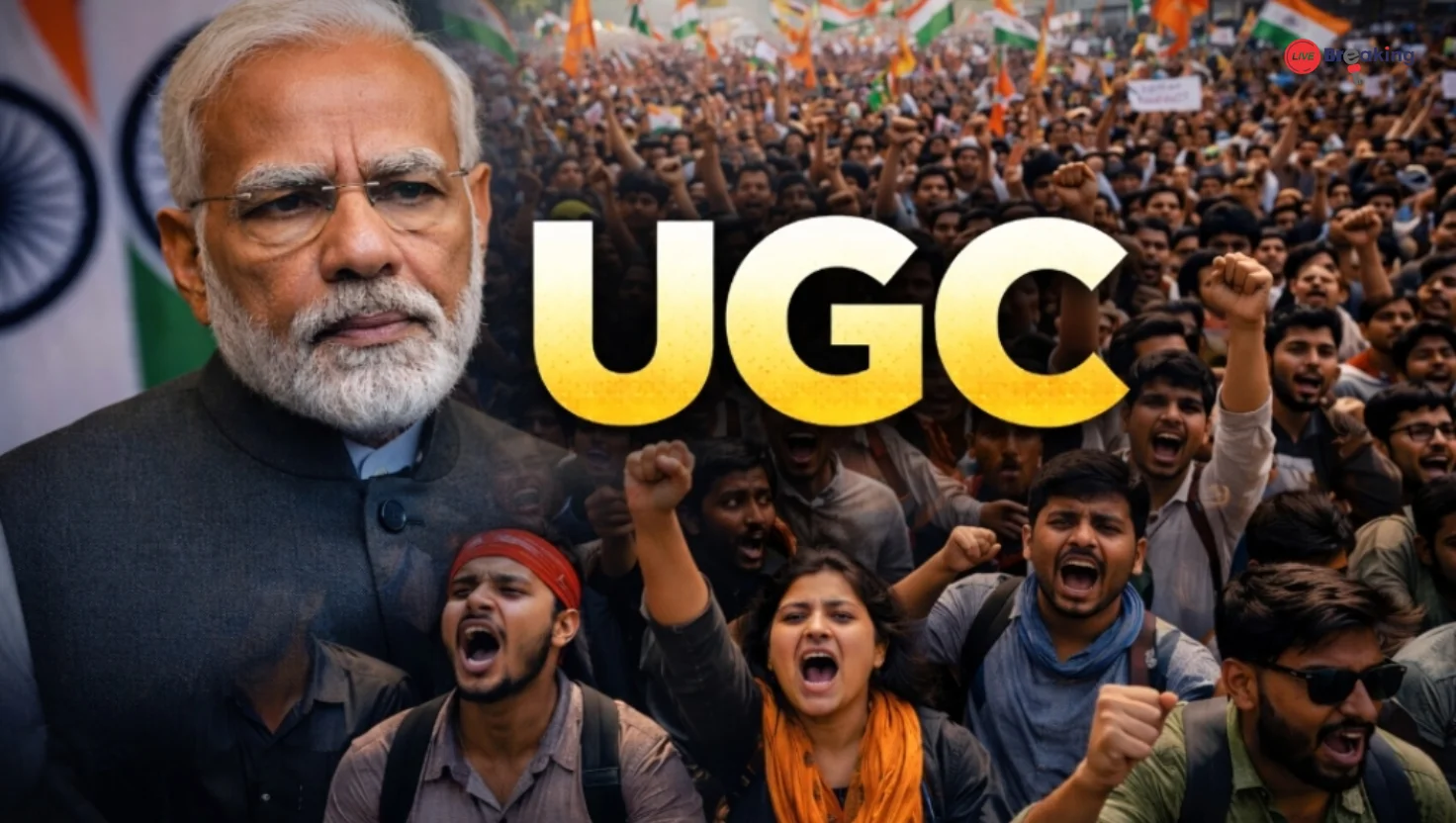
The UGC 2026 row has sparked demonstrations in several universities, with students and faculty expressing mixed reactions. While some groups support stronger equity measures, others fear that excessive regulation could compromise academic freedom.
Education unions have demanded greater transparency in how the equity rules were drafted, while student bodies have called for broader consultations before implementation.
Supporters Defend the Equity Framework
Proponents of the UGC’s equity guidelines argue that Indian higher education has long suffered from systemic exclusion. They claim that without targeted interventions, marginalized communities will continue to face barriers to entry and advancement.
Government-aligned voices have emphasized that the regulations are not anti-merit but pro-access, designed to level the playing field rather than distort it.
Legal and Constitutional Questions Raised
One of the most significant aspects of the debate is its constitutional dimension. Legal experts note that any policy perceived as discriminatory could face judicial scrutiny.
Read more: Shankaracharya vs Yogi Adityanath Escalates, Ayodhya Bureaucrat Resigns
Ranganathan and other critics have suggested that the equity rules may conflict with:
-
Article 14 (Right to Equality)
-
Principles of non-discrimination
-
Established Supreme Court precedents on reservations and proportionality
If challenged, the UGC Bill 2026 could become a landmark case in India’s education law landscape.
Political Implications of the UGC 2026 Row
The controversy has also taken on political overtones, with opposition parties accusing the government of ideological overreach, while ruling party representatives defend the reforms as progressive and necessary.
As education remains a sensitive and high-impact policy area, the outcome of this debate could influence voter sentiment, particularly among young and academic communities.
Read more: India Raises Concerns Over Ukraine War Targeting, Urges Poland Not to Back Pakistan
What Lies Ahead for UGC 2026?
With protests ongoing and public discourse intensifying, the future of the UGC 2026 equity rules remains uncertain. The commission may be forced to revisit certain provisions, initiate wider stakeholder consultations, or clarify implementation guidelines.
What is clear is that voices like Anand Ranganathan’s have ensured that the conversation around equity, merit, and fairness in Indian education will remain in the national spotlight.
As India strives to balance inclusivity with excellence, the UGC 2026 row serves as a reminder that policy reforms must navigate not just administrative goals, but also constitutional values and public trust.