Trump Warns Of New Tariffs On India, Says They Should Not “Dump Rice” In US
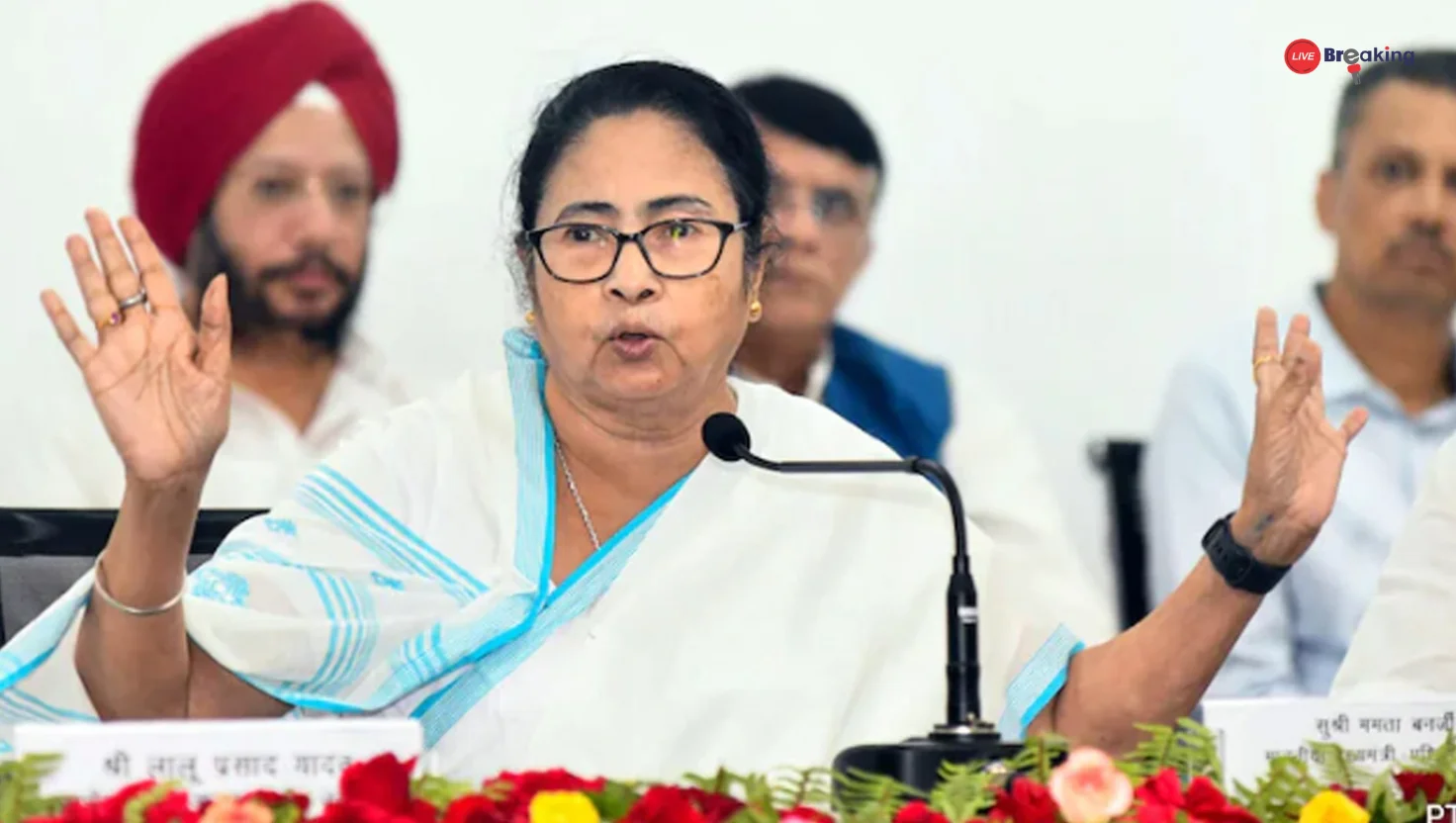
Former U.S. President Donald Trump has issued a sharp warning to India over its rising rice exports to the United States, accusing the country of “dumping rice” at artificially low prices and signaling that his administration is prepared to impose new tariffs on Indian agricultural goods. The comments—delivered during a recent meeting centered on U.S. farm subsidies and agricultural challenges—have immediately intensified trade tensions between the two nations.
Trump questioned why the U.S. currently allows Indian rice to enter the American market with minimal restrictions, saying, “Why is India allowed to do that? They shouldn’t be dumping … you can’t do that.” His remarks come as U.S. farmers continue to express concerns that cheaper foreign imports, particularly rice from India, are undercutting domestic production and depressing market prices.
According to NDTV, Trump made the statement while announcing a $12 billion aid package for American farmers, aimed at offsetting falling prices and increasing global competition. During the session, he also hinted that tariffs could be deployed rapidly if the administration concludes that India’s export practices disadvantage U.S. producers.
A New Flashpoint in Ongoing U.S.–India Trade Tensions
The threat of renewed tariffs arrives against the backdrop of a broader U.S.–India trade standoff in recent years. Already, several Indian goods—including textiles, steel, and some agricultural products—face higher American duties. Trump’s latest comments reopen another front in the dispute, this time centered specifically on India’s rice exports.
Reports from The Times of India note that Trump’s frustration peaked after being briefed on the steady rise of Indian rice entering U.S. markets. Farmers in America have complained that rice grown abroad is often sold at significantly lower prices due to differing labor and regulatory costs, making it difficult for domestic producers to remain competitive.
Trump indicated that these conditions could justify new tariffs, stating that the U.S. needs to ensure domestic farmers are protected from unfair pricing practices. The move aligns with the administration’s larger “America First” trade agenda, which prioritizes domestic production and seeks to reduce reliance on foreign imports.
Impact on Indian Exporters and Global Markets
Following Trump’s remarks, shares of major Indian rice exporters—including well-known basmati brands—experienced a noticeable dip, reflecting investor concerns about potential disruptions to the export pipeline.
Although the U.S. is not India’s largest rice market, it remains an important premium destination, especially for basmati varieties. Any tariff increase could reduce export volumes or force exporters to absorb higher costs. Industry analysts suggest that India may respond by redirecting supply to Europe, the Middle East, or Africa, but such a shift could take time and may not fully offset losses.
Read more: IndiGo Crisis: Over 400 Flights Cancelled on Day 5, Chaos at Airports Across India
Reports indicate that Indian officials are monitoring the situation closely but have not yet issued a formal response. Trade experts believe that if tariffs are imposed, India may consider raising the issue through diplomatic channels or the World Trade Organization (WTO).
U.S. Farmers Support the Move—But Consumers May Pay More
While U.S. rice farmers have welcomed Trump’s stance as overdue support for the domestic agricultural sector, economists warn of potential consequences for American consumers.
According to economic assessments cited by The Times of India, tariffs could:
-
Raise retail prices for rice, particularly premium basmati varieties popular among American households.
-
Reduce product diversity, as Indian exporters may scale back supply.
-
Increase pressure on inflation, particularly in food categories.
Some analysts argue that tariffs could shift rice sourcing toward other Asian exporters, such as Vietnam or Thailand, though these countries may not fully match India’s product range or pricing.
Read more: IndiGo On-Time Performance Crashes to 8.5%: Over 400 Flights Cancelled, Aviation Chaos Unfolds
What Happens Next?
The administration has not yet announced a formal tariff package, but Trump’s remarks strongly suggest that proposals are being evaluated. Trade observers will be watching for:
-
An official tariff declaration or policy paper from the U.S. Trade Representative
-
India’s diplomatic reaction
-
Movements in global rice prices and supply chain adjustments
-
Shifts in stock performance for Indian agricultural exporters
If implemented, the tariffs could become a significant flashpoint in U.S.–India economic relations—one that may influence broader negotiations on technology, services, and defense cooperation.