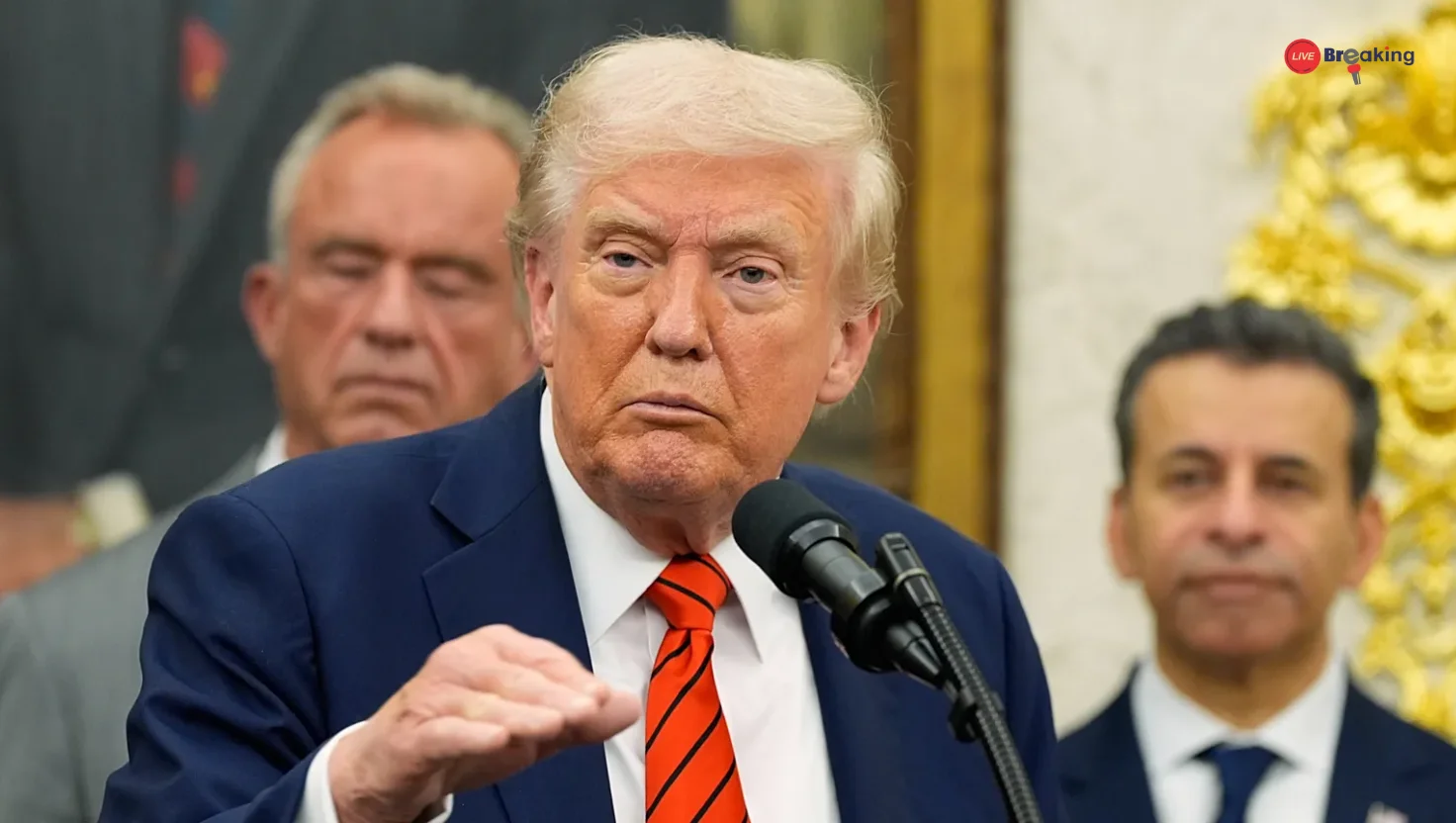
How Trump’s Comments On Nuclear Testing Sparked Fears, Confusion In US
Former US President Donald Trump has once again found himself at the center of controversy—this time, over remarks suggesting the possibility of resuming nuclear weapons testing. His comments, made during a recent public appearance, have ignited widespread concern and confusion across the United States, rekindling anxieties reminiscent of the Cold War era and raising questions about America’s stance on nuclear policy.
A Statement That Shocked the Nation
While speaking about national security and defense, Trump hinted at the idea of reviving nuclear testing, stating that the US “must ensure its nuclear capabilities are unmatched and tested.” The statement, though brief, was enough to send ripples through diplomatic and defense circles. For many Americans, the prospect of nuclear testing evokes fears of global instability, environmental damage, and geopolitical tension.
The remarks were met with immediate reactions across political lines. Critics accused Trump of irresponsibly reigniting a dangerous conversation that had long been settled, while supporters defended his words as a call for national preparedness. Yet, amid the political noise, one sentiment stood out—confusion.
Decades of Dormancy, Suddenly in Question
The United States has not conducted a nuclear test since 1992, following the Cold War’s end and the global move toward arms control and disarmament. Although the US never formally ratified the Comprehensive Nuclear-Test-Ban Treaty (CTBT), it has observed a voluntary moratorium on testing for over three decades.
Trump’s remarks appeared to blur the clarity of that commitment. Experts warn that even the suggestion of renewed nuclear testing could undermine decades of diplomatic progress and signal instability to adversaries and allies alike. The uncertainty surrounding his intent—whether literal or rhetorical—has left policymakers scrambling for answers.
Expert Concerns and Global Implications
Nuclear policy analysts and scientists have been quick to point out the potential fallout—political and environmental—of any move toward testing. Restarting nuclear explosions, even for experimental purposes, could trigger similar responses from other nuclear-armed states, potentially leading to a new arms race.
Moreover, the environmental and humanitarian costs of nuclear testing are not lost on the public. From radioactive contamination to displacement of communities near testing sites, the history of nuclear experiments remains a painful reminder of past mistakes. For many, Trump’s words felt like reopening a wound that the world had collectively tried to heal.
Internationally, Trump’s comments could strain relations with allies who support nuclear non-proliferation efforts. Nations that signed the CTBT might see any shift in US policy as a betrayal of global consensus, weakening the moral authority of the United States in disarmament dialogues.
Political Reactions and Domestic Divides
Back home, Trump’s remarks quickly became a political flashpoint. Lawmakers from the Democratic Party criticized the statement as reckless and unnecessary, arguing that it jeopardizes America’s diplomatic credibility. Several defense officials, speaking anonymously, reportedly expressed concern that the remarks might send “mixed signals” to other nuclear powers, particularly Russia and China.
Read more: Nitish Kumar Flexes Power: JDU Snatches 5 Key Seats Sought by Chirag Paswan
Republican voices, however, largely defended the comments, framing them as part of a broader message on strength and deterrence. To them, Trump’s words were not a literal call to action but a strategic assertion that the United States would never allow its nuclear deterrent to weaken.
Still, the ambiguity left many wondering whether the former president’s words were a policy hint or simply political theater. In the age of social media amplification, even offhand remarks can spark major diplomatic consequences—a reality that has only intensified the sense of unease.
Public Fear and the Power of Rhetoric
Beyond politics and policy, Trump’s comments have touched a deeper emotional nerve. The mention of nuclear testing revived Cold War-era fears—of fallout shelters, mushroom clouds, and mutual destruction. For younger generations, it was a reminder that nuclear anxiety is not just a relic of history but a living threat that can reemerge with a few words.
Psychologists note that such remarks can amplify collective fear, especially in a post-pandemic world already grappling with insecurity and uncertainty. Words, they emphasize, can shape perceptions of safety—and Trump’s nuclear rhetoric has once again tested the boundaries of that truth.
Read more: He Raped Me Repeatedly, Maharashtra Woman Doctor’s Suicide Note Accuses Cop
A Debate Far From Over
As analysts continue to interpret the implications of Trump’s comments, one thing remains clear: the conversation around nuclear policy in the United States has been abruptly reignited. Whether his remarks lead to tangible policy discussions or fade as political noise, they have already exposed a lingering anxiety beneath America’s confidence—the fear that nuclear brinkmanship could return to the forefront of global politics.
In a nation still haunted by the memory of past nuclear crises, Trump’s words have done more than just stir debate—they’ve reminded the world how fragile the line is between power and peril.