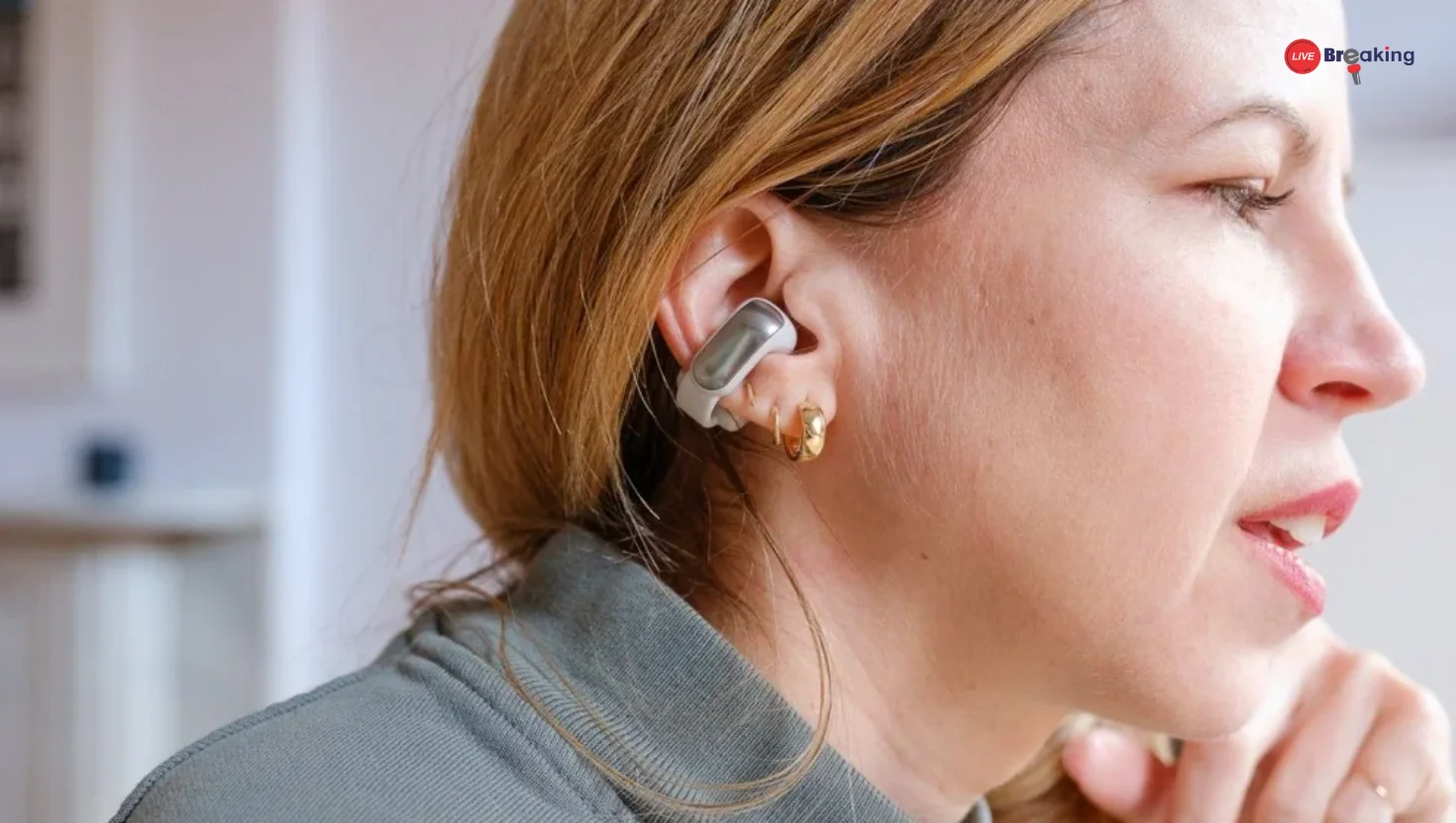
Think Low Volume Is Safe? Prolonged Earbud Use Can Still Harm Your Health
Earbuds and personal audio devices have become indispensable. From music and podcasts to online meetings and virtual classes, we rely on these tiny gadgets daily. However, many people assume that keeping the volume low guarantees safety. Emerging research and expert opinions suggest otherwise — even extended use at low volume can pose risks to your ear health.
How Earbuds Affect Your Hearing System
Earbuds sit directly inside the ear canal, delivering sound close to the eardrum. This design helps with portability and noise isolation but also means sound waves interact intensely with delicate inner ear structures, especially the hair cells responsible for translating sound into nerve signals for the brain.
Continuous or long-duration listening, even at moderate volume, can overstimulate these cells. Over time, this can contribute to:
-
Noise-Induced Hearing Loss (NIHL) — gradual or permanent hearing impairment due to repeated exposure to sound.
- Auditory fatigue — temporary tiredness of the ears that may affect clarity and sound perception.
- Tinnitus — persistent ringing or buzzing in the ears.
Experts note that sustained listening sessions, regardless of volume perceived as “safe,” can still stress sensitive auditory cells, especially when used hour after hour.
Low Volume Isn’t Always Safe — Here’s Why
Many listeners assume that if they keep the earbuds volume at a comfortable level, they’re safe. But several factors counter this assumption:
1. Duration Matters as Much as Volume
Hearing safety isn’t just about how loud the sound is but also how long you expose your ears to it. Continuous listening for many hours can accumulate risk even at moderate levels.
2. Earbuds Amplify Sound Near the Eardrum
Because earbuds sit inside the ear canal, the sound pressure can be more intense compared to external speakers or over-ear headphones. Some studies suggest in-ear audio can increase perceived sound by several decibels.
Read more: Celebrity Gamers and Online Gaming Culture, Stars Shaping the Gaming World
3. Lack of Ear Ventilation & Bacterial Growth
Wearing earbuds for long periods traps moisture and skin cells in the ear canal, creating a breeding ground for bacteria. This increases the risk of ear infections, itchiness, and pain.
Common Ear and Health Problems Linked to Prolonged Earbud Use
Noise-Induced Hearing Loss (NIHL)
Repeated exposure to sounds above safe limits can damage the tiny hair cells in the inner ear, leading to long-term hearing impairment.
Tinnitus and Auditory Fatigue
Long listening sessions can trigger persistent ringing (tinnitus) or tired hearing, making sound processing more difficult.
Ear Infections and Wax Build-Up
Blocked air passage and poor hygiene contribute to infections and earwax buildup.
Reduced Situational Awareness
Using earbuds constantly erases environmental sound cues, which can be a safety hazard during walking, cycling, or commuting.
Tips for Safer Earbud Use
Here are practical strategies to protect your hearing:
Follow the 60/60 Rule: Aim for no more than 60% volume for no more than 60 minutes at a time.
Take Frequent Breaks: Pause listening every hour to let your ears rest.
Use Noise-Canceling Earbuds: These help you hear better without turning up the volume.
Maintain Earbud Hygiene: Clean earbuds regularly to avoid infections.
Choose Over-Ear Headphones for Long Use: They don’t press sound directly into the ear canal.
Read more: Perfect Balance: How a 65-Inch QLED TV Enhances Viewing in Medium Spaces
FAQs About Earbuds and Ear Health
Q: Is listening at low volume completely safe?
A: Not always. Even at low volume, extended use can strain sensitive hearing cells and lead to discomfort or long-term issues.
Q: How long can I safely use earbuds each day?
A: Experts recommend limiting cumulative listening time and taking breaks roughly every hour.
Q: Can ear infections result from earbud use?
A: Yes — prolonged wear can trap moisture and bacteria, increasing infection risk.
Q: Does Bluetooth radiation harm the brain?
A: Wireless technology does not appear to cause neurological harm; the primary risk lies in hearing damage from loud or long listening.
Read more: Microsoft Plans AI-Driven Windows 11: A New Era for PC Users
Conclusion
Personal audio devices are part of modern life, but they’re not risk-free. Low volume does not automatically mean safe, especially with prolonged use. Whether you’re listening to music, podcasts, or calls, awareness and mindful habits can protect your hearing health for the long term.