What Happens If Pakistan Boycotts T20 World Cup 2026? Full Impact Explained
The possibility of Pakistan boycotting the T20 World Cup 2026 has sparked intense debate across the cricketing world. While official confirmation is yet to come, discussions around political tensions, travel concerns, and bilateral relations have brought this hypothetical scenario into the spotlight.
A Pakistan boycott would not just affect one team—it could reshape the tournament’s structure, finances, viewership, and global cricket dynamics. Let’s explore what would actually happen if Pakistan chose not to participate in the 2026 T20 World Cup.
Why Is Pakistan Considering a Boycott?
Pakistan’s participation in global tournaments has often been influenced by diplomatic and security considerations. The 2026 T20 World Cup is scheduled to be co-hosted by India and Sri Lanka, and relations between India and Pakistan remain politically strained.
The Pakistan Cricket Board has repeatedly stated that player safety, visa clarity, and government approvals remain top priorities. If assurances are not met, Pakistan could explore the option of withdrawal—though such a move would come at a significant cost.
Sporting Impact on the T20 World Cup 2026
Loss of Iconic Rivalry
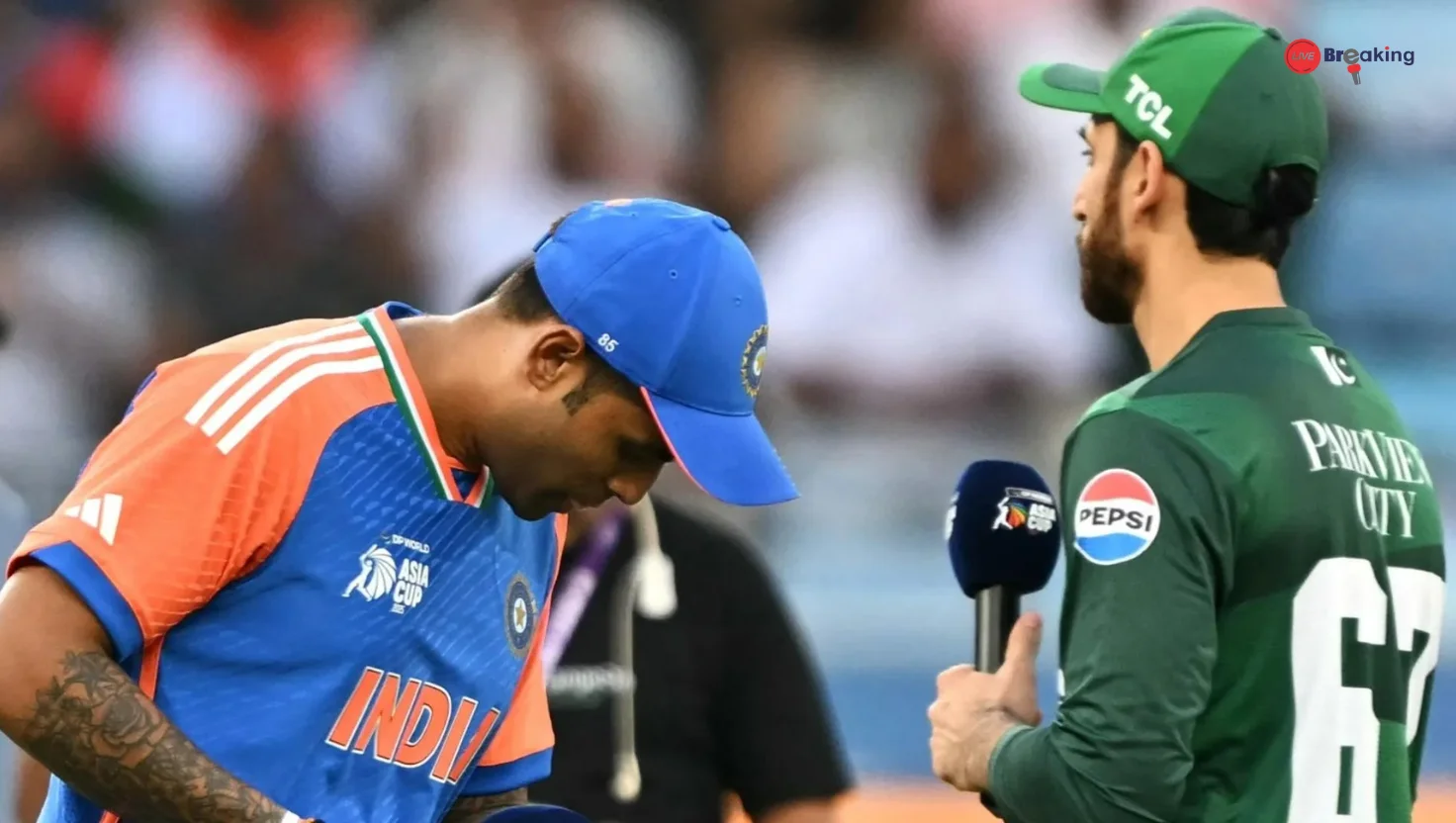
The absence of Pakistan would mean no India vs Pakistan clashes—arguably the biggest draw in world cricket. These matches generate record-breaking viewership and ticket demand across continents.
Without Pakistan:
-
Group dynamics would change
-
Competitive balance would be affected
-
Fan engagement would dip significantly
Tournament Restructuring Challenges
A last-minute withdrawal could force organizers to:
-
Rework group stages
-
Promote a lower-ranked team
-
Adjust qualification criteria
Such changes risk undermining the competitive integrity of the event.
Massive Financial Consequences
Broadcasting & Sponsorship Losses
India vs Pakistan matches account for a substantial portion of broadcast revenue. Advertisers pay premium rates specifically for these fixtures.
If Pakistan boycotts:
-
Broadcasters could face revenue shortfalls
-
Sponsors may renegotiate contracts
-
Ticket sales would decline
This directly impacts the International Cricket Council, host boards, and global partners.
How It Hurts Pakistan Cricket the Most
While a boycott may seem politically motivated, Pakistan stands to lose heavily on the cricketing front.
ICC Penalties & Revenue Loss
The ICC has strict participation agreements. A voluntary withdrawal could lead to:
-
Financial penalties
-
Loss of tournament revenue share
-
Reduced influence in ICC decision-making
Impact on Players
Pakistani players would miss:
-
High-pressure international exposure
-
Global league opportunities
-
Career-defining moments on a world stage
Young talents, in particular, would suffer from lack of visibility.
Political vs Sporting Fallout
A boycott would further widen the sporting divide between India and Pakistan. Cricket has historically acted as a soft diplomatic bridge—even during tense political phases.
Choosing not to play:
-
Sets a precedent for future withdrawals
-
Politicizes global tournaments
-
Weakens cricket’s role as a unifying force
Other boards may also be forced to take sides, complicating international scheduling.
Read More: Dharmendra, Adman Piyush Pandey, Cricketer Rohit Sharma Among Padma Awardees
Could ICC Step In to Prevent a Boycott?
The ICC is likely to explore all diplomatic channels before allowing a high-profile team like Pakistan to withdraw. Possible solutions include:
-
Neutral venue matches
-
Special security arrangements
-
Hybrid hosting models
Such compromises have been used before and may again become the preferred solution.
What History Tells Us
Pakistan has previously faced isolation due to security concerns, most notably after the 2009 Lahore attack. That period saw:
-
Loss of home matches
-
Decline in revenue
-
Reduced global influence
Only after years of effort did Pakistan restore its international standing. A T20 World Cup boycott risks undoing much of that progress.
Read more: IPL 2026 Retention Updates: Deadline Over, Teams Set to Reveal Final Player Lists
Final Verdict: Can Pakistan Afford to Boycott?
In reality, Pakistan has far more to lose than gain. Financial losses, player setbacks, and long-term reputational damage outweigh any short-term political signaling.
While tensions may persist, history and economics suggest that Pakistan’s participation in the T20 World Cup 2026 remains the most practical and beneficial outcome—for Pakistan and for world cricket.