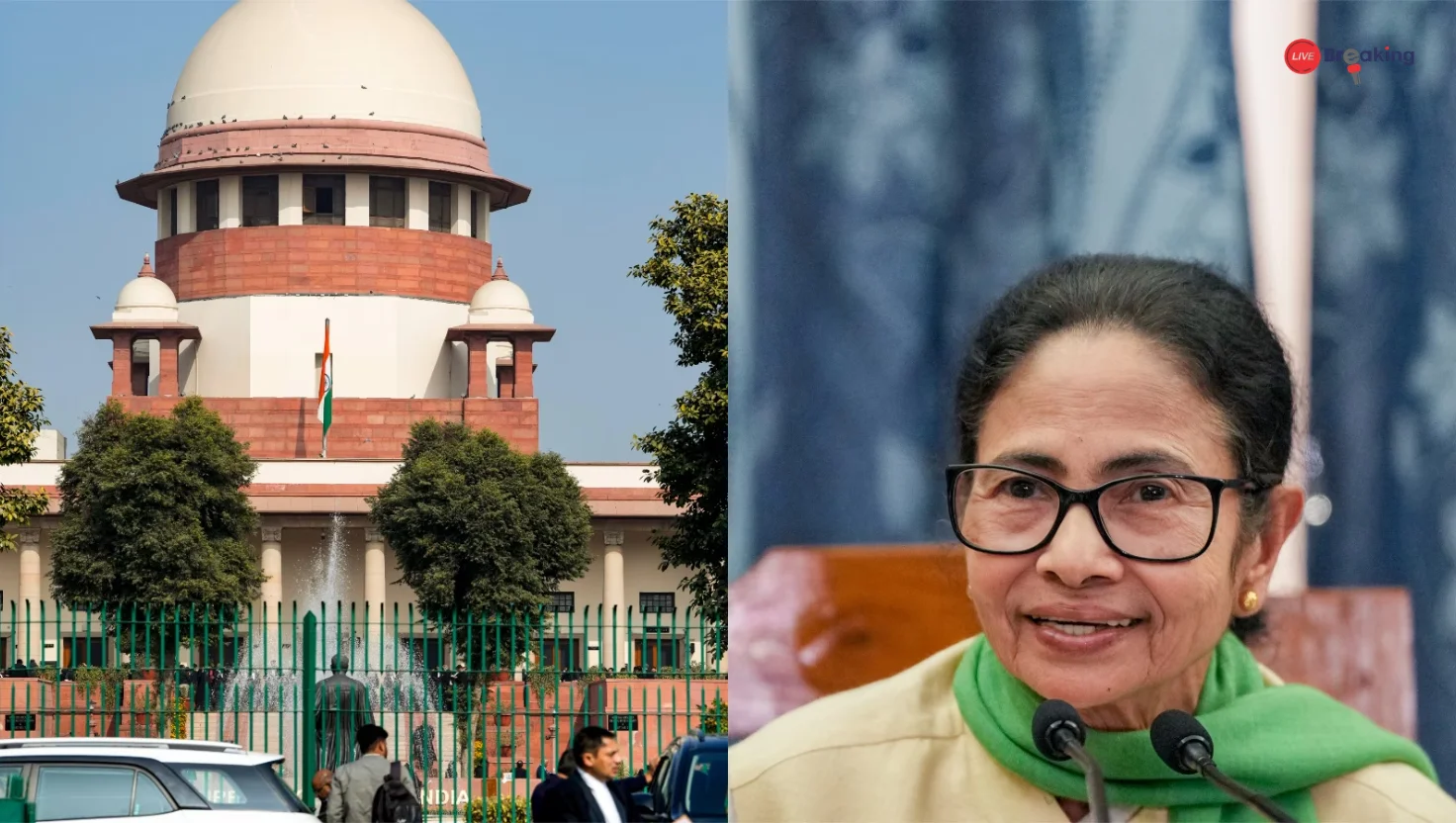
Supreme Court Issues Extraordinary Order in Bengal SIR Case, Directs Judicial Oversight
In a significant development in the ongoing Bengal SIR (Special Investigation Report) case, the Supreme Court issued what it described as an “extraordinary” order, directing the High Court to appoint judicial officers to oversee the SIR process. The top court observed that there was “no option left” but to intervene, as it expressed concern over the manner in which the matter was being handled and the prevailing “blame game” between stakeholders.
The court’s remarks and directions underline the seriousness of the issue and reflect its intent to ensure transparency, accountability, and fairness in the investigative process.
What Is the Bengal SIR Case?
The Bengal SIR case revolves around allegations and procedural lapses related to a Special Investigation Report process in West Bengal. The matter had escalated amid disagreements between parties over how the SIR was being conducted and whether due process was being followed.
Petitions were filed before the courts, raising concerns about impartiality and implementation. As tensions rose and allegations continued to surface, the case eventually reached the Supreme Court.
Supreme Court’s Strong Observations
During the hearing, the Supreme Court made strong observations about the situation. It described the developments as “unfortunate” and criticized the ongoing “blame game” among authorities and stakeholders. The bench emphasized that the judiciary cannot remain a silent spectator when procedural integrity and fairness are at stake.
The court noted that extraordinary circumstances require extraordinary remedies. According to the bench, it was compelled to pass an extraordinary order because conventional mechanisms appeared insufficient to ensure smooth functioning of the SIR process.
The phrase “no option left” reflected the court’s view that judicial intervention had become necessary to restore confidence in the system.
Direction to Appoint Judicial Officers
One of the most significant aspects of the order was the direction to the High Court to appoint judicial officers to oversee the SIR process. This move is intended to introduce an additional layer of accountability and neutrality.
By placing judicial officers in supervisory roles, the Supreme Court aims to ensure that the SIR process is conducted without bias, political interference, or procedural irregularities. The involvement of court-appointed officers is expected to enhance transparency and reduce disputes over the process.
Why the Order Is Being Called “Extraordinary”
Supreme Court interventions in administrative or investigative processes are not routine. The judiciary generally respects institutional boundaries and avoids micromanaging processes unless there is a compelling reason.
In this case, however, the court indicated that circumstances had reached a point where such intervention was unavoidable. The “extraordinary” nature of the order lies in the fact that it directs structural oversight rather than merely issuing advisory observations.
The court’s message was clear: when institutional trust is eroded and competing narratives dominate, judicial supervision may become necessary to safeguard the rule of law.
Political and Legal Implications
The order could have significant legal and political implications in West Bengal. Given the sensitive nature of investigations and the charged political environment, the Supreme Court’s directive is likely to be closely scrutinized by all parties involved.
Legally, the order reinforces the principle that investigative processes must adhere strictly to constitutional and procedural safeguards. Politically, it sends a signal that the judiciary will not hesitate to intervene when governance mechanisms appear to falter.
Read more: Former UK Royal Andrew Arrested Amid Probe Into Jeffrey Epstein Ties
The directive may also set a precedent for future cases where investigative processes are contested on grounds of fairness or neutrality.
Ensuring Transparency and Public Confidence
At the heart of the Supreme Court’s intervention is the need to preserve public confidence in the justice system. The court’s remarks indicate that prolonged disputes and allegations risk undermining institutional credibility.
By mandating judicial oversight, the court seeks to ensure that the SIR process moves forward in a manner that is transparent, accountable, and free from undue influence.
This approach aligns with the broader constitutional mandate of the judiciary to uphold the rule of law and protect fundamental rights.
What Happens Next?
Following the Supreme Court’s order, the High Court is expected to appoint judicial officers who will oversee the SIR process. The operational details, including the scope of their authority and reporting mechanisms, will likely be clarified in subsequent proceedings.
Read more: NRI Reveals Reason To Leave Rs 2.9 Crore Salary In US To Return To India
Stakeholders will now be required to cooperate with the court-appointed officers to ensure compliance with the order. The next hearings are expected to focus on progress updates and adherence to judicial directions.
Conclusion
The Supreme Court’s “extraordinary” order in the Bengal SIR case marks a pivotal moment in the ongoing legal battle. By directing the appointment of judicial officers, the top court has taken a decisive step to restore order and credibility to the investigative process.
With its firm observation that there was “no option left,” the court has emphasized the seriousness of the situation and the importance of safeguarding due process. As the matter unfolds, the focus will remain on ensuring transparency, fairness, and adherence to the rule of law.
FAQs
1. What did the Supreme Court order in the Bengal SIR case?
The Supreme Court directed the High Court to appoint judicial officers to oversee the SIR process, calling it an extraordinary measure necessary under the circumstances.
2. Why did the Supreme Court intervene?
The court observed that there was an ongoing blame game and concerns over procedural fairness, leaving it with “no option left” but to step in.
Read more: PM Modi Congratulates BNP’s Tarique Rahman: “India Will Support Democratic, Inclusive Bangladesh”
3. What is the purpose of appointing judicial officers?
Judicial officers are expected to ensure neutrality, transparency, and accountability in the SIR process.
4. Why is the order considered extraordinary?
Such direct oversight of investigative processes is uncommon and reflects the seriousness of the situation.
5. What could be the impact of this order?
The order may strengthen procedural safeguards, influence ongoing proceedings, and reinforce public trust in the judicial system.