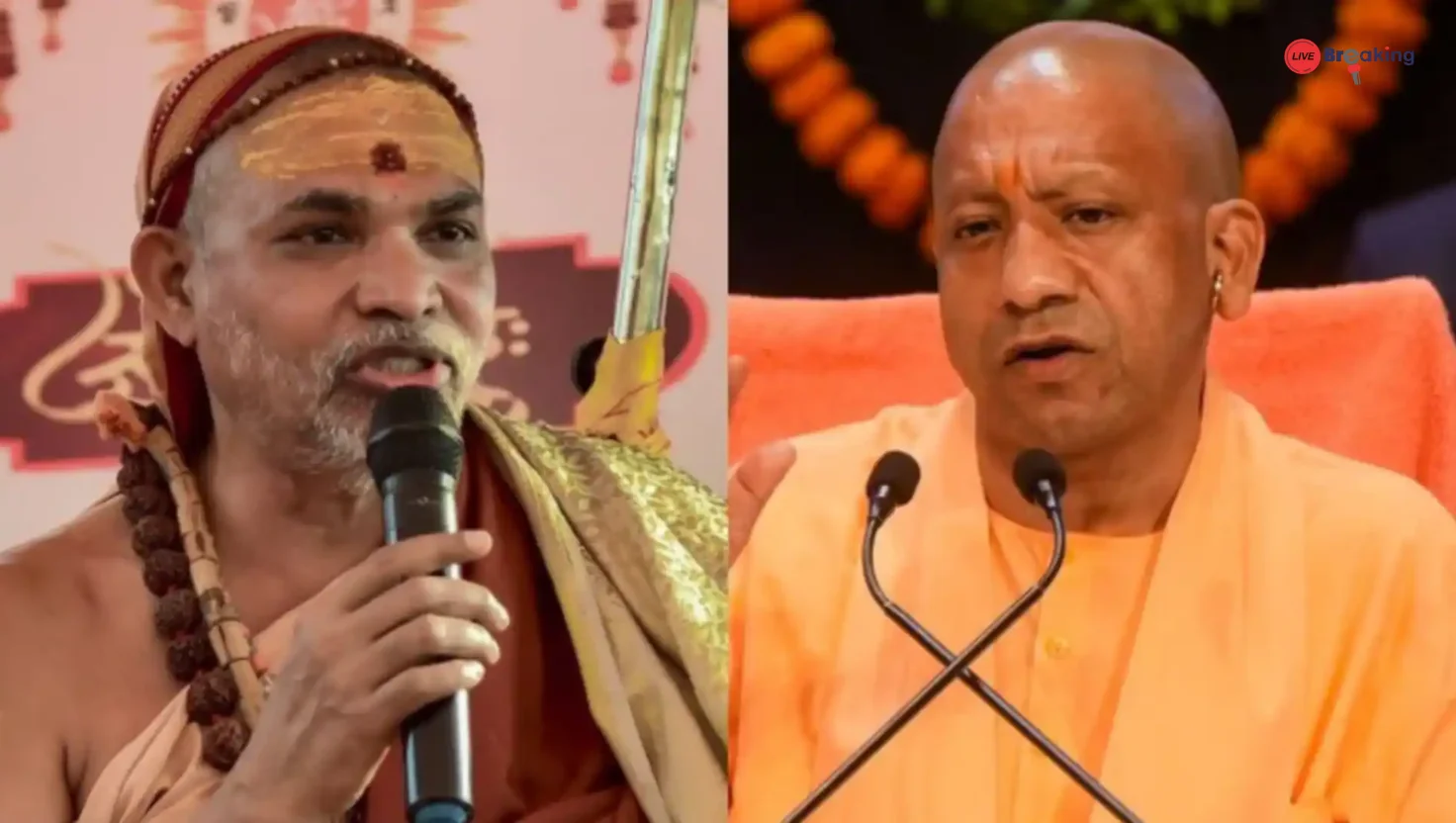
Shankaracharya vs Yogi Adityanath Row Escalates: Ayodhya Bureaucrat Resigns Amid Controversy
A fresh controversy has erupted at the intersection of religion, governance, and politics in Uttar Pradesh, as tensions between Shankaracharya Avimukteshwaranand Saraswati and Yogi Adityanath intensified following remarks made during a public event in Prayagraj. The situation escalated further when an Ayodhya-based senior bureaucrat resigned, citing insult to the Chief Minister as the reason behind his decision.
The episode has triggered a nationwide debate on freedom of speech, religious authority, administrative neutrality, and the growing overlap between faith and politics.
What Sparked the Shankaracharya–Yogi Adityanath Controversy?
The controversy began after Shankaracharya Avimukteshwaranand Saraswati, the head priest of Jyotirmath, allegedly made critical remarks targeting Uttar Pradesh Chief Minister Yogi Adityanath during a public discourse in Prayagraj. While supporters of the Shankaracharya described the comments as ideological criticism, critics alleged that the statements crossed the line into personal insult.
The remarks were perceived by sections of the administration and ruling party as derogatory, prompting strong reactions within government circles.
The Shankaracharya has, in recent months, been vocal on issues ranging from governance and religious leadership to the role of sadhus in politics. His statements have often challenged the political establishment, making him a polarizing figure in current discourse.
Ayodhya Bureaucrat’s Resignation Deepens the Crisis
The controversy took a dramatic turn when Prashant Singh, a senior bureaucrat posted in Ayodhya, tendered his resignation. In his resignation letter, Singh reportedly stated that the Shankaracharya’s comments amounted to an insult of the Chief Minister, making it untenable for him to continue in service.
This resignation is being seen as highly unusual, as civil servants are traditionally expected to remain politically neutral, regardless of ideological disagreements or public controversies. Singh’s move has therefore sparked intense debate within administrative and political circles.
Political Reactions and Administrative Implications
Leaders from the ruling Bharatiya Janata Party (BJP) have largely defended the Chief Minister, condemning what they describe as disrespectful remarks against an elected constitutional authority. Several party spokespersons argued that religious leaders must exercise restraint when commenting on political leadership.
On the other hand, opposition leaders and civil rights commentators have questioned whether the bureaucrat’s resignation sets a dangerous precedent. They argue that if administrators begin resigning over political or ideological disagreements, it could undermine institutional stability and bureaucratic independence.
Former civil servants have also weighed in, emphasizing that while individuals are entitled to personal beliefs, official actions must align with constitutional norms rather than political loyalty.
Religion and Politics: A Recurring Flashpoint
This episode once again highlights the sensitive relationship between religion and politics in India. Yogi Adityanath himself is both a political leader and a Hindu monk, blurring traditional boundaries between spiritual authority and governance.
Read more: Donald Trump “Historic Bond” Message For India On 77th Republic Day
Shankaracharyas, historically, have played the role of moral and religious critics of rulers. However, in today’s hyper-politicized environment, such criticism often invites strong backlash, particularly when directed at powerful political figures.
Analysts note that this controversy reflects a broader struggle over who gets to speak for Hinduism in contemporary India — religious institutions or political leadership.
What Lies Ahead?
As of now, there is no indication of legal action stemming directly from the remarks, but the political fallout continues to unfold. The Uttar Pradesh government has not issued an official statement on the bureaucrat’s resignation beyond acknowledging it.
Meanwhile, Shankaracharya Avimukteshwaranand Saraswati has not retracted his comments, maintaining that his remarks were rooted in ideological disagreement rather than personal attack.
Read more: India Raises Concerns Over Ukraine War Targeting, Urges Poland Not to Back Pakistan
With national elections and religious discourse increasingly intertwined, observers believe such confrontations may become more frequent, raising pressing questions about dissent, authority, and democratic expression.
Conclusion
The escalation of the Shankaracharya vs Yogi Adityanath controversy, culminating in the resignation of an Ayodhya bureaucrat, underscores the fragile balance between religion, politics, and administration in India. Whether viewed as a matter of principle, protest, or political signaling, the episode has ignited an important national conversation—one that is unlikely to fade anytime soon.