Bad Neighbours: S Jaishankar Shreds Pakistan, Then A Stern Warning
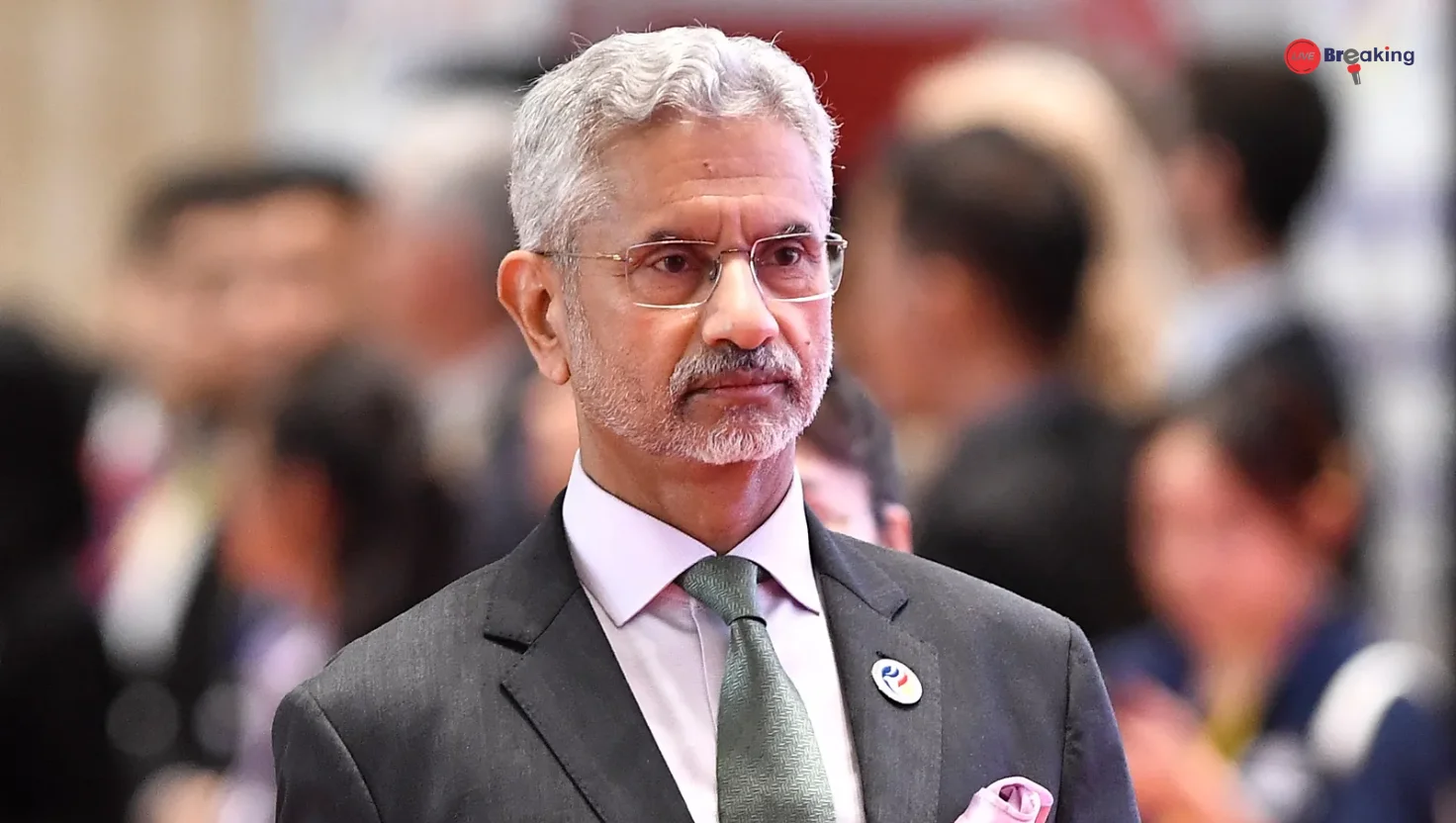
India’s External Affairs Minister Dr. S. Jaishankar on January 2, 2026 delivered one of his strongest remarks yet against Pakistan, calling it a “bad neighbour” and emphatically asserting that India will not accept dictation on its defense or counter-terror policies. His comments — made at the Indian Institute of Technology (IIT) Madras — spotlight the deteriorating India-Pakistan relationship and underline New Delhi’s post-Operation Sindoor stance.
🇮🇳 India Calls Out Terrorism Sponsorship, Undermines Good Neighbourly Ties
Delivering a lecture to students, Jaishankar said India is blessed with many neighbours — some cooperative, others not. But he noted that a nation that persistently supports terrorism can hardly be considered a “good neighbour.”
He drew a stark line between good neighbourliness and harmful conduct, stressing that India cannot continue water-sharing or other diplomatic benefits when the other side refuses to abandon cross-border terror activities. “You can’t ask for water and continue terrorism,” he said, condemning what he called a contradiction in relations with Islamabad.
Right to Defend: Sovereignty Above External Pressures
Jaishankar’s message went beyond rhetoric, delivering a stern warning about India’s sovereign rights. He stated that “nobody can tell us what we should or should not do,” clearly indicating that New Delhi will not relent on national security decisions, especially in the context of Operation Sindoor and other strategic responses.
He reiterated that India has the undeniable right to defend its citizens against terrorism originating from across the border — a principle that he said takes precedence over bilateral diplomatic pressures or treaties.
This stance comes amid continuing debate about the future of agreements like the Indus Waters Treaty, which India has placed “in abeyance” amid cross-border tensions.
Operation Sindoor: The Backdrop to Jaishankar’s Message
Jaishankar’s comments did not emerge in a vacuum. They come on the heels of Operation Sindoor, India’s military undertaking targeting terror infrastructure in Pakistan and Pakistan-occupied Kashmir after the deadly Pahalgam terror attack earlier in 2025.
India launched the operation in response to the attack that killed 26 civilians. The offensive saw Indian forces strike multiple terror camps, reportedly eliminating significant militant elements before Pakistan retaliated with missile and drone launches — which were intercepted by India — leading to further escalation before a ceasefire was announced.
Operation Sindoor has since become symbolic of India’s zero-tolerance policy toward terrorism, signaling a shift from restraint to firm retaliation. This approach, backed by diplomatic and military messaging, reflects a “new normal” in India’s defense posture.
Why the “Bad Neighbour” Label Matters
Jaishankar’s statement extends beyond rhetoric — it represents a diplomatic signal that India may continue to recalibrate its engagement with Pakistan. It reinforces several key positions:
-
Security first: India will prioritize defending its people even if it means strategic distancing.
- Treaties are conditional: Long-standing agreements like the Indus Waters Treaty could be revisited if terrorism remains unchecked.
- Neighbourly conduct must align with peace: Water or economic cooperation cannot be expected from a partner allegedly supporting harmful activities.
Taken together, these messages suggest that India’s diplomatic relations with Pakistan may become more conditional and issues-driven, depending heavily on tangible outcomes like terrorism control.
Broader Implications for Regional Stability
India’s firm stance may resonate internationally, especially with global concerns about cross-border militancy and strategic stability in South Asia. Additionally:
Read more: Supreme Court Stays Bail for Kuldeep Singh Sengar in Unnao Rape Case — Ex MLA to Remain in Jail
-
Regional powers may recalibrate their diplomatic support based on India’s assertive messaging.
-
Pakistan faces increasing pressure to address allegations of harbouring terror networks — affecting its own diplomatic leverage.
- Other neighbours and international partners are watching New Delhi’s policy shift that balances diplomacy with deterrence.
Frequently Asked Questions (FAQs)
Q1. Why did S. Jaishankar call Pakistan a “bad neighbour”?
Answer: He used that phrase to criticize Pakistan’s ongoing support for terrorism, stating that such behaviour undermines good neighbourly relations.
Q2. What is Operation Sindoor?
Answer: Operation Sindoor was India’s military response targeting terrorist camps in Pakistan and Pakistan-occupied Kashmir following the Pahalgam terror attack in 2025.
Q3. Is India reviewing the Indus Waters Treaty?
Answer: India has placed the treaty in abeyance amid tensions, with Jaishankar implying that peaceful cooperation like water sharing cannot continue alongside sustained terrorism.
Q4. How does Jaishankar’s remark affect India-Pakistan relations?
Answer: The strong rhetoric underscores India’s hardened stance, which could limit diplomatic engagement until terrorism concerns are addressed.
Read more: Revanth Reddy Sonia Gandhi Counter Escalates Row Over Digvijaya Singh’s RSS Praise
Concluding View
Dr. Jaishankar’s remarks are more than political soundbites — they reflect a redefining moment in India’s regional posture. By openly labelling Pakistan a “bad neighbour,” he reiterated India’s commitment to self-defense, sovereignty, and security-first diplomacy. The broader message to the world and the subcontinent: India will stand firm against terrorism and will not hesitate to act in defense of its people — even if that means challenging long-standing diplomatic norms.