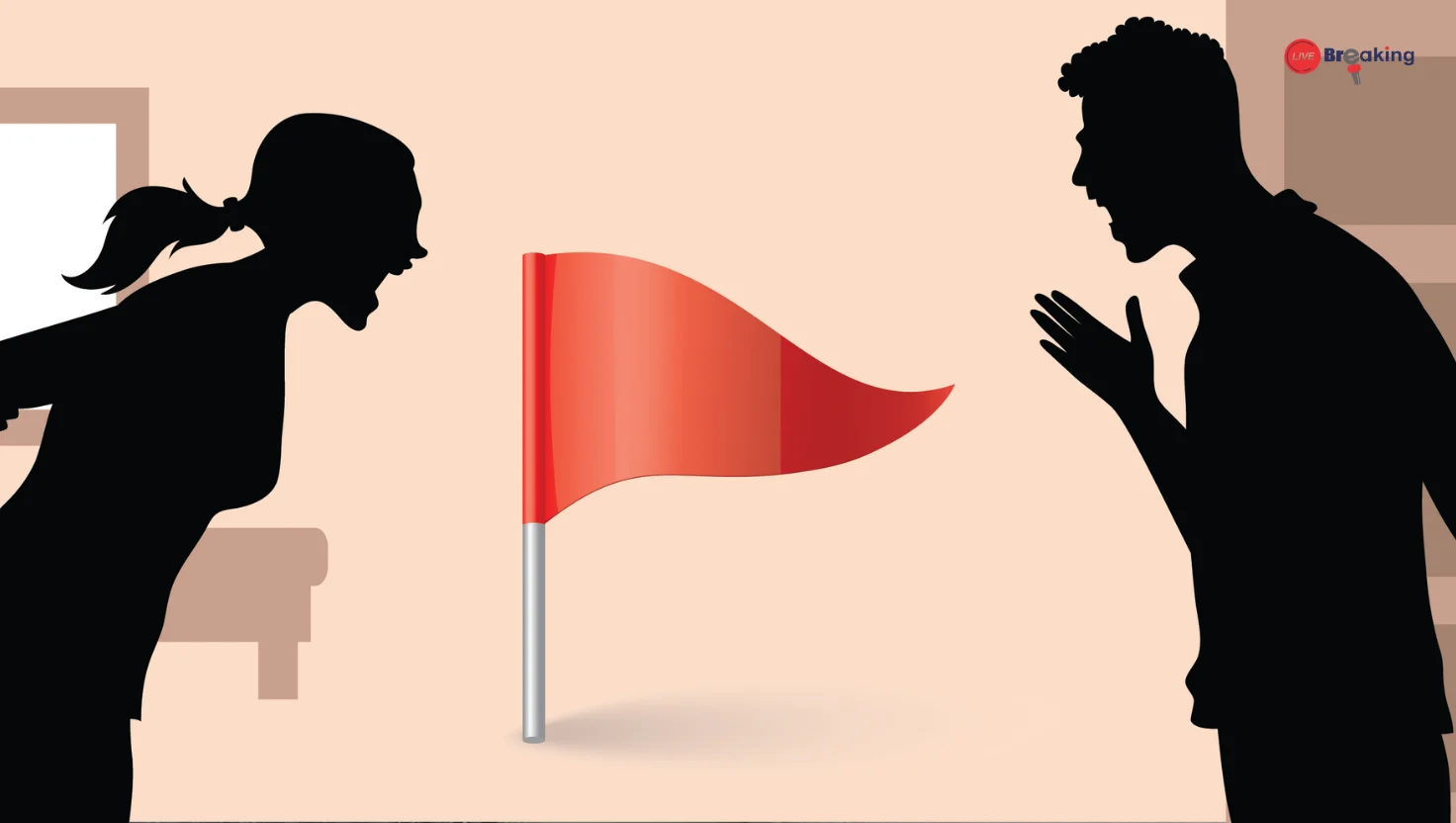
Why Rage-Baiting Is the Toxic Love Language You Need to Avoid
In today’s hyper-connected world, relationship trends often go viral before we fully understand their consequences. One such trend is rage-baiting—a behavior that is increasingly being mislabeled as humor, honesty, or even a “love language.” While it may look harmless on the surface, rage-baiting can quietly poison emotional intimacy and trust.
Rage-baiting thrives on provoking strong emotional reactions, especially anger or frustration, from someone you claim to care about. Over time, this pattern can damage communication, self-esteem, and the overall health of a relationship.
What Is Rage-Baiting?
Rage-baiting is the intentional act of saying or doing something provocative to trigger anger, irritation, or emotional distress in another person. In relationships, this often comes disguised as:
-
“I was just joking”
-
“You’re too sensitive”
-
“I wanted to see how you’d react”
Unlike healthy teasing, rage-baiting targets emotional triggers and continues even after the other person shows discomfort. The goal is not mutual laughter—it’s control, validation, or entertainment at the other person’s expense.
Why Rage-Baiting Is Being Normalized
Rage-baiting has gained traction largely because of social media culture. Viral videos and reels often showcase partners deliberately annoying each other for laughs or engagement. While viewers may see humor, what’s often hidden is the emotional fallout behind the scenes.
Some reasons people justify rage-baiting include:
-
Confusing attention with affection
-
Mistaking emotional reactions for emotional closeness
-
Seeking validation or a sense of power
-
Avoiding vulnerability through conflict
Over time, these justifications normalize unhealthy emotional dynamics.
Why Rage-Baiting Is Toxic in Relationships
Rage-baiting is harmful because it erodes the core pillars of a healthy relationship.
1. It Breaks Emotional Safety
Healthy relationships rely on emotional safety—the feeling that you can express yourself without fear of ridicule or provocation. Rage-baiting destroys this safety, making partners guarded and defensive.
2. It Encourages Emotional Manipulation
Provoking anger to feel important or in control is a form of manipulation. It shifts the focus from mutual respect to emotional dominance.
3. It Damages Communication
When conversations turn into emotional traps, honest communication shuts down. One partner may stop sharing feelings to avoid being triggered again.
4. It Lowers Self-Esteem
Repeated exposure to rage-baiting can make a person doubt their emotional responses, leading to feelings of inadequacy, shame, or confusion.
Rage-Baiting vs. Healthy Teasing
It’s important to distinguish rage-baiting from playful teasing:
| Healthy Teasing | Rage-Baiting |
|---|---|
| Mutual enjoyment | One-sided amusement |
| Stops when discomfort appears | Continues despite discomfort |
| Strengthens connection | Creates emotional distance |
| Respects boundaries | Ignores emotional limits |
If laughter isn’t shared, it’s not playful—it’s harmful.
Why Some People Engage in Rage-Baiting
Understanding the motivation doesn’t excuse the behavior, but it can explain it. People who rage-bait may:
-
Struggle with emotional regulation
-
Fear emotional intimacy
-
Seek reassurance in unhealthy ways
-
Repeat patterns learned from past relationships
Often, rage-baiting is less about humor and more about unmet emotional needs.
Read More: Identifying the Red Flags of Toxic Communication: 5 Signs and Strategies for Management
Healthier Alternatives to Rage-Baiting
If someone craves connection or excitement in a relationship, there are healthier ways to achieve it:
-
Open communication: Express needs directly instead of provoking reactions.
-
Playful bonding: Choose activities that create shared joy, not shared stress.
-
Emotional honesty: Admit insecurity instead of masking it with conflict.
-
Boundary awareness: Respect emotional limits and apologize when crossed.
True intimacy grows from understanding, not emotional chaos.
How to Respond If You’re Being Rage-Baited
If you find yourself on the receiving end:
-
Name the behavior calmly
-
Set clear boundaries
-
Avoid engaging in reactive arguments
-
Observe whether the behavior changes
If rage-baiting continues despite communication, it may signal deeper compatibility or respect issues.
Final Thoughts
Rage-baiting is not a love language—it’s a warning sign. While it may masquerade as humor or honesty, its long-term impact is emotional exhaustion, resentment, and broken trust. Healthy relationships don’t thrive on provoked anger; they grow through empathy, respect, and emotional safety.
Read more: 10 Relationship Challenges Every Couple Faces: Know How to Overcome Them
Choosing to avoid rage-baiting isn’t about being “less fun”—it’s about being more emotionally mature and genuinely connected.
FAQs
Q1: Is rage-baiting always intentional?
Not always. Some people may unknowingly repeat harmful patterns, but intent doesn’t erase impact.
Q2: Can rage-baiting be fixed in a relationship?
Yes, if both partners acknowledge the issue, communicate openly, and commit to healthier interaction patterns.
Q3: Is rage-baiting a form of emotional abuse?
When persistent and dismissive of boundaries, it can fall under emotional manipulation or abuse.
Q4: How do I know if I’m rage-baiting my partner?
If you provoke reactions for amusement, validation, or control—and continue after discomfort—it’s a strong indicator.