“Bacha Kya Hai?”: Piyush Goyal Explains the India–US Trade Deal Fineprint
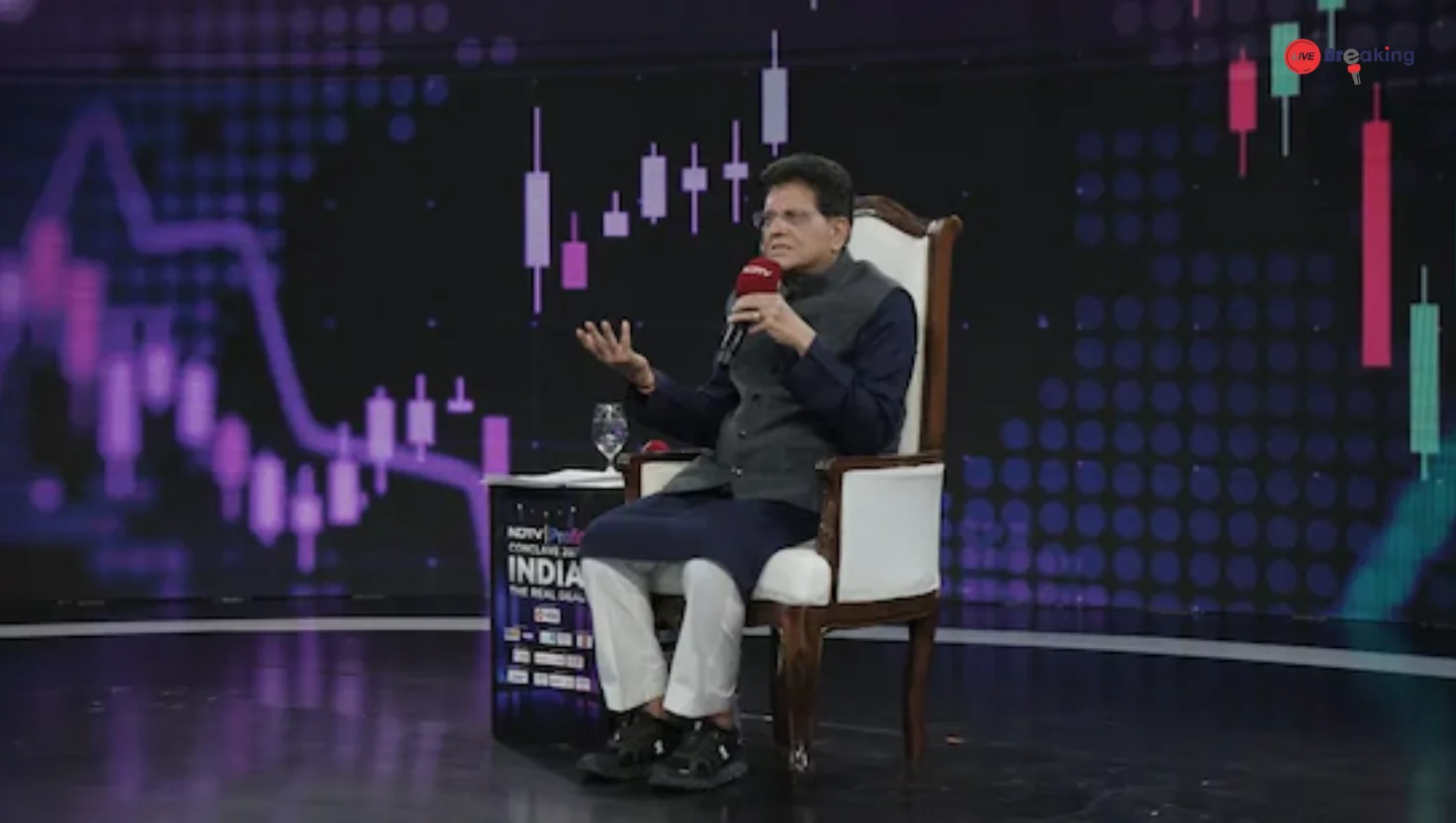
India’s ongoing trade negotiations with the United States have once again captured public attention after Union Commerce and Industry Minister Piyush Goyal offered a candid explanation of the deal’s finer details. Using the now-viral phrase “Bacha kya hai?” (What remains?), Goyal addressed concerns raised by critics who argue that India may have conceded too much in its efforts to strengthen economic ties with Washington.
Speaking in response to questions surrounding the agreement, the minister made it clear that India’s approach to trade negotiations is rooted in protecting domestic interests, safeguarding farmers and small businesses, and ensuring long-term strategic gains rather than short-term headlines.
Understanding the Context of the India–US Trade Deal
The India–US trade relationship is one of the most complex bilateral economic engagements in the world. Both countries are large democracies with vast domestic markets and strong political sensitivities. Over the years, negotiations have touched upon tariffs, market access, intellectual property rights, agriculture, digital trade, and mobility of professionals.
According to Goyal, the recent discussions were never about “giving away” India’s economic sovereignty. Instead, they focused on resolving specific trade irritants while keeping India’s core interests intact. He emphasized that trade deals are not zero-sum games but carefully calibrated arrangements that evolve over time.
“Bacha Kya Hai?” — What the Minister Really Meant
The phrase “Bacha kya hai?” quickly gained traction on social media, with many interpreting it as an admission that India had little left to protect. However, Goyal clarified that the phrase was used rhetorically to underline a larger point: India has already opened many sectors to global competition over the past decades, yet it continues to defend sensitive areas fiercely.
He stressed that India has not compromised on agriculture, dairy, or the interests of small traders—areas that are politically and economically crucial. On the contrary, India has resisted pressure to reduce tariffs or allow unrestricted access in sectors where millions of livelihoods are at stake.
Key Areas Where India Held Firm
1. Agriculture and Dairy Protection
One of the most contentious issues in India–US trade talks has always been agriculture. Goyal reiterated that India will not allow policies that harm its farmers. He noted that food security and rural livelihoods are non-negotiable pillars of India’s economic framework.
2. Safeguarding MSMEs
India’s micro, small, and medium enterprises (MSMEs) form the backbone of its economy. The minister stated that opening markets indiscriminately could hurt domestic manufacturers. Therefore, India has ensured adequate safeguards before committing to any tariff or market-access changes.
3. Strategic Autonomy
Goyal highlighted that India’s trade policy is aligned with its broader strategic autonomy. While India seeks closer ties with the US, it will not accept terms that limit its ability to make independent policy decisions in the future.
What India Stands to Gain
Despite the cautious tone, the minister also outlined potential benefits of improved trade ties with the US. These include increased exports of Indian goods, better access for services professionals, stronger supply chain integration, and enhanced cooperation in critical sectors such as technology and clean energy.
He emphasized that trade negotiations are ongoing processes. What matters is not a single agreement but the cumulative impact of sustained engagement that benefits both economies.
Read more: “Justice Crying Behind Closed Doors”: Mamata Banerjee To Chief Justice On SIR
Public Debate and Political Messaging
The comments were widely reported by leading media outlets, including NDTV, sparking debate among economists, opposition leaders, and industry stakeholders. While critics argue for greater transparency, supporters believe Goyal’s remarks reflect a confident India that negotiates from a position of strength.
The Bigger Picture: India’s Trade Philosophy
At the heart of Goyal’s remarks lies India’s evolving trade philosophy—India First. The government’s stance prioritizes self-reliance, resilient supply chains, and fair trade over rapid liberalization. The minister concluded that every clause of the India–US trade understanding has been evaluated through this lens.
FAQs
What does “Bacha Kya Hai?” mean in the context of the trade deal?
It is a rhetorical phrase used by Piyush Goyal to counter claims that India has conceded too much, emphasizing that key national interests remain protected.
Has India compromised on agriculture in the India–US trade talks?
No. The government has clearly stated that agriculture and dairy remain protected sectors, with no concessions that would harm farmers.
Read more: 8 Opposition MPs Suspended For Throwing Papers At Chair In Lok Sabha, BJP Says ‘Utter Disrespect’
Is the India–US trade deal finalized?
The discussions are ongoing. The current engagement focuses on resolving specific trade issues rather than a comprehensive free trade agreement.
Why is the India–US trade relationship important?
The US is one of India’s largest trading partners, and stronger trade ties can boost exports, investment, and technological collaboration.