Inside Pakistan Lobbying Blitz In US To Halt India’s Operation Sindoor
In a remarkable revelation that adds a new diplomatic chapter to the 2025 India–Pakistan conflict, recently declassified U.S. government filings have exposed a concentrated effort by Pakistan to influence Washington during India’s Operation Sindoor. The documents outline how Islamabad intensified its lobbying campaign, engaging U.S. lawmakers, senior administration officials, and the media in a bid to restrain India’s military action and encourage American diplomatic intervention.
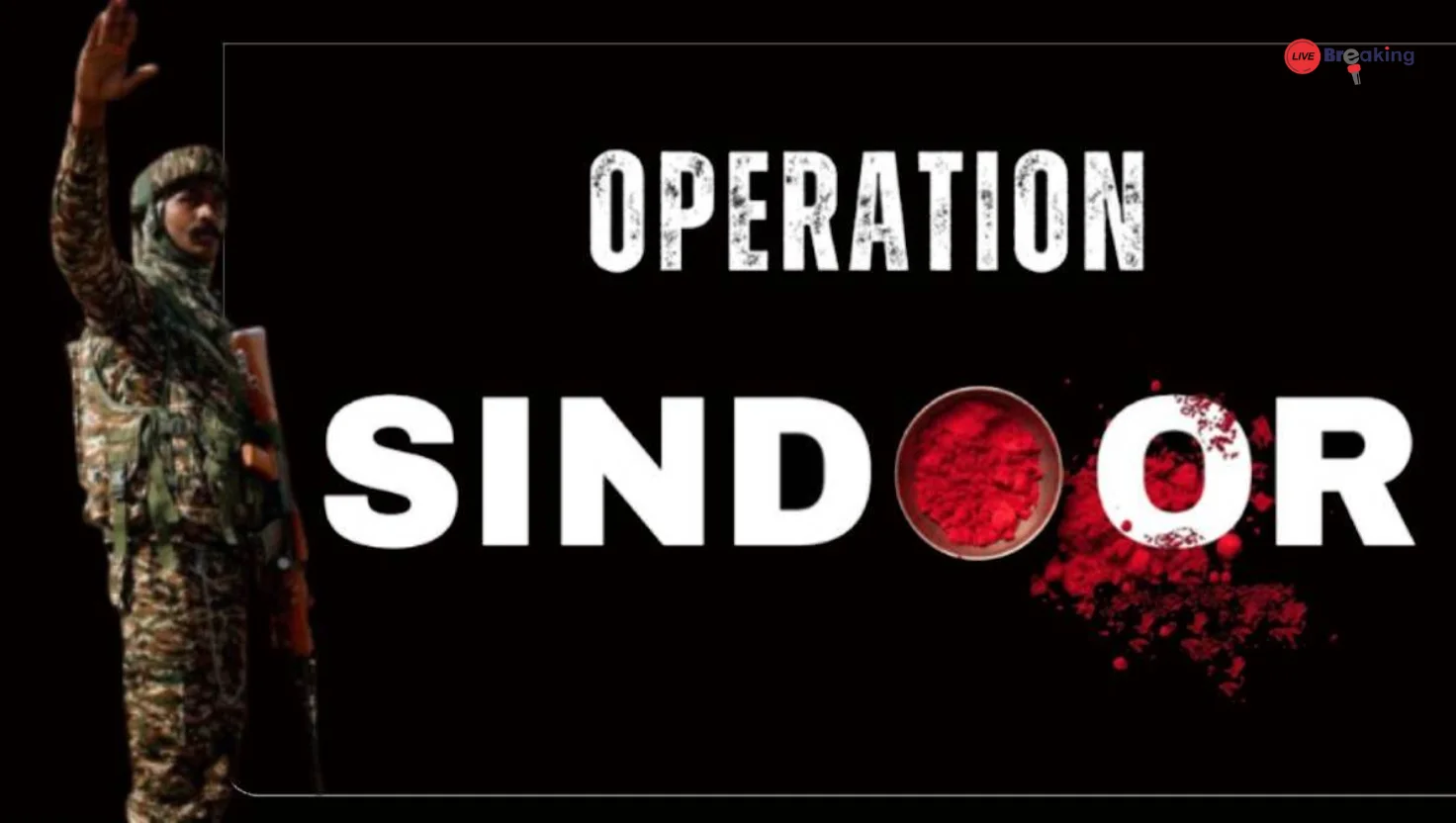
What Was Operation Sindoor?
Operation Sindoor was the name given to India’s military response in May 2025 following the deadly Pahalgam terror attack in Jammu & Kashmir that killed 26 civilians. The Indian government accused Pakistan-based militant groups of orchestrating the attack, prompting New Delhi to launch targeted strikes against terror infrastructure inside Pakistan and Pakistan-administered Kashmir. The May conflict lasted several days before a ceasefire was enforced.
Pakistan’s Intense U.S. Lobbying Campaign
Activity Under the Foreign Agents Registration Act
According to the newly disclosed U.S. Foreign Agents Registration Act (FARA) filings, Pakistani diplomats and defence officials engaged in an extraordinary diplomatic push during the months of April and May 2025 — precisely when India launched and sustained Operation Sindoor.
The filings indicate:
-
Over 60 scheduled or requested meetings with U.S. government officials, influential lawmakers, and members of the American press.
-
Outreach went beyond routine diplomacy and targeted senior figures within the U.S. Congress, Pentagon, and State Department.
-
Pakistani representatives also pursued interviews and briefings with major U.S. media outlets to shape the narrative around the conflict.
The stated objective, according to the filings, was to press for U.S. engagement to “somehow stop” India’s military campaign — effectively appealing to Washington for intervention or diplomatic pressure on New Delhi.
Read more: Ex-Boyfriend Files Missing Report, Flees After Indian Woman Found Dead
Scale and Significance of the Outreach
Pakistan’s lobbying surge in Washington was not an isolated diplomatic hiccup but part of a broader effort to revitalize its influence in U.S. policy circles. According to the New York Times report referenced in the filings, Islamabad had significantly increased its spending on Washington lobbying firms in the months leading up to and during Operation Sindoor.
Financially:
-
Pakistan signed contracts with multiple U.S. lobbying firms, worth several million dollars annually.
-
These retained agencies were strategically chosen for their access to key Trump administration officials and influential lawmakers.
Notably, these efforts coincided with high-profile meetings that showcased renewed access to U.S. power corridors — including engagements involving Pakistan’s Army Chief at the White House.
What Was Discussed in Washington?
The FARA records and related reporting suggest that Pakistan’s outreach covered a broad spectrum of topics beyond the immediate conflict, such as:
-
Regional security dynamics and the Kashmir issue
-
U.S.–Pakistan bilateral ties and economic cooperation
-
Narratives surrounding terrorism and counter-terror strategies
-
Geostrategic concerns involving China and broader Indo-Pacific policy
Pakistani envoys sought not only sympathetic ears but also analysis and coverage in major U.S. news outlets — a tactic aimed at influencing American public opinion in addition to policymakers.
Read more: Supreme Court Stays Bail for Kuldeep Singh Sengar in Unnao Rape Case — Ex MLA to Remain in Jail
Diplomatic Context and Wider Implications
The lobbying campaign underscores how crises between nuclear-armed neighbours like India and Pakistan are no longer purely military; they carry significant diplomatic and informational dimensions. In an era where global public opinion and U.S. policy matter greatly, states increasingly turn to expensive and sustained lobbying to protect strategic interests.
For Pakistan, this aggressive lobbying came at a time when its relationship with the U.S. was already in flux — shaped by larger issues such as counter-terror cooperation, Afghanistan, and competition with New Delhi.
For India, the revelations highlight how New Delhi’s military decisions intersect with international diplomacy and how adversaries seek to internationalize bilateral disputes for leverage.
What Comes Next?
With the ceasefire holding and both nations engaging in diplomatic manoeuvring, experts believe the lingering effects of the lobbying blitz may surface in broader strategic dialogues involving Washington. Observers note that Islamabad’s effort represents an evolving approach to conflict management — one that combines on-ground military strategy with international public opinion and policy influence operations.
Read more: Revanth Reddy Sonia Gandhi Counter Escalates Row Over Digvijaya Singh’s RSS Praise
Conclusion
Pakistan’s unprecedented lobbying efforts in Washington during India’s Operation Sindoor reveal the depth to which international diplomacy now extends in times of conflict. Beyond bullets and bombs, the battle for perception in influential global capitals has become a critical front in shaping outcomes.