ODI World Cup 2027 Probables Already Decided By BCCI? Report Makes Big Claim
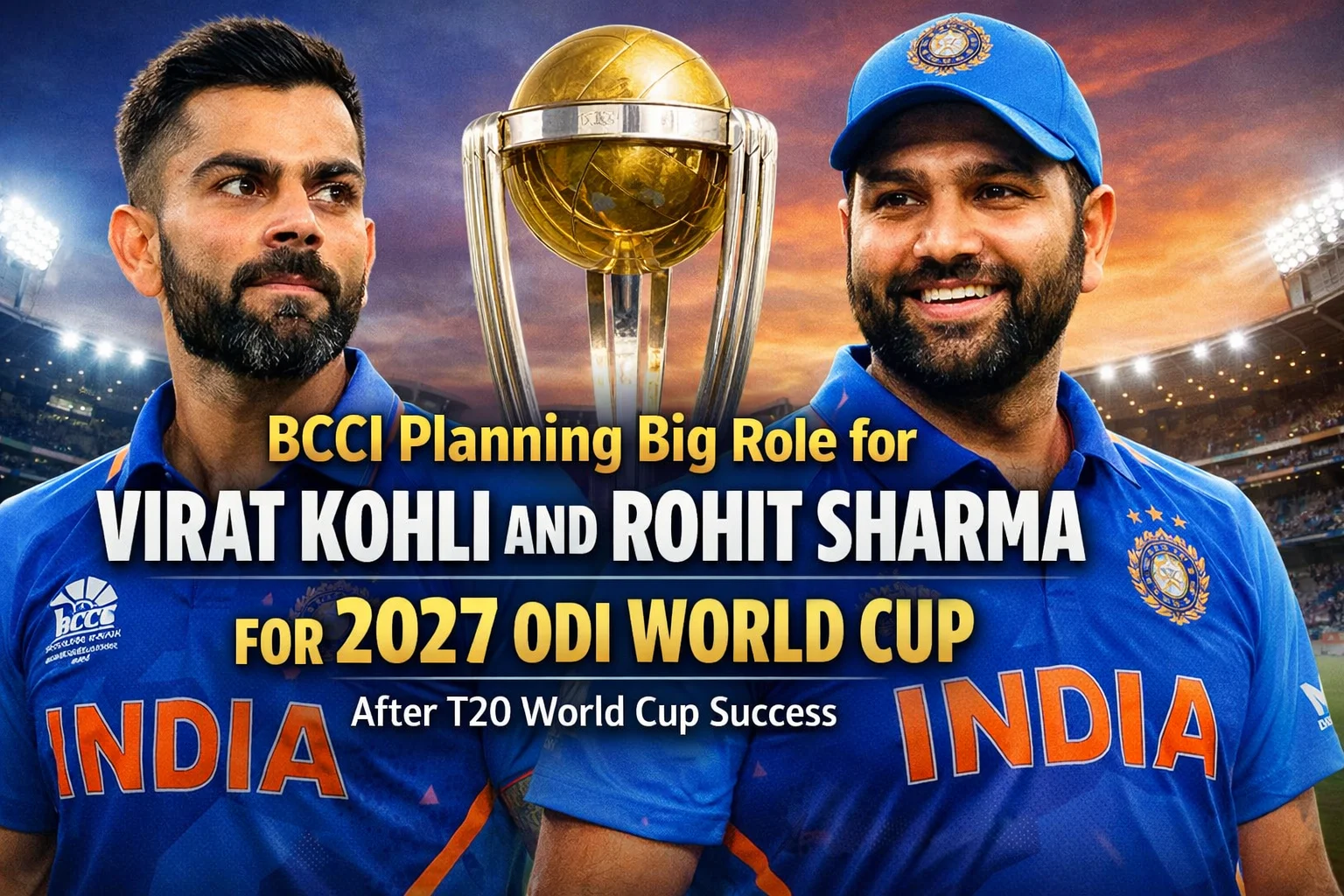
A recent report has stirred excitement and debate across the cricketing world, suggesting that the Board of Control for Cricket in India has already begun identifying probable players for the ICC ODI World Cup 2027. While such long-term planning is not entirely unusual in modern cricket, the timing and scale of this development have raised eyebrows.
With India consistently performing as a dominant force in international cricket, the idea of preparing a core squad years in advance signals a strategic shift toward sustained excellence rather than short-term success.
Why the BCCI Is Planning So Early
In today’s competitive cricket landscape, teams like Australia and England have shown the benefits of long-term planning and player grooming. The BCCI appears to be adopting a similar model.
Key Reasons Behind Early Planning:
-
Transition Phase Management: Senior players will likely phase out before 2027.
-
Workload Management: Prevent burnout by rotating players strategically.
-
Talent Grooming: Provide young players exposure at the international level.
-
Consistency Building: Develop a settled core group ahead of the tournament.
This approach ensures that India doesn’t just assemble a team before the World Cup but builds a cohesive unit over time.
Potential Core Players for 2027
While the official list has not been confirmed publicly, reports suggest that a mix of experienced players and young talent is being considered.
Likely Senior Core (If They Continue)
-
Rohit Sharma (depending on fitness and form)
-
Virat Kohli (experience factor)
-
Jasprit Bumrah (if injury-free)
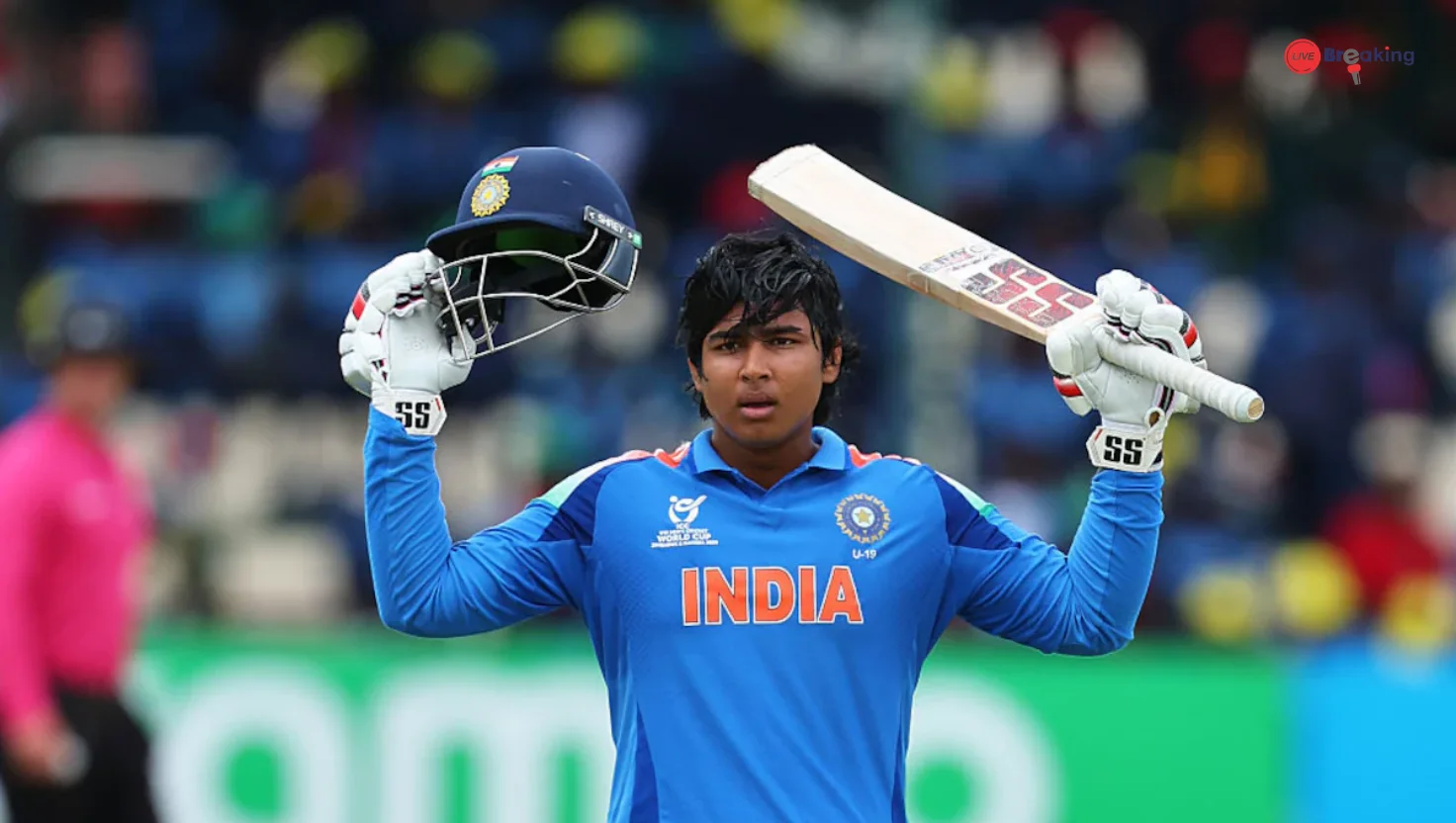
However, the real focus appears to be on the next generation.
Emerging Stars Who Could Define India’s 2027 Campaign
Batting Prospects
-
Shubman Gill
-
Yashasvi Jaiswal
-
Ruturaj Gaikwad
All-Rounders
-
Hardik Pandya
-
Washington Sundar
Bowling Unit
-
Mohammed Siraj
-
Arshdeep Singh
-
Kuldeep Yadav
These players represent a blend of aggression, adaptability, and youth—key ingredients for success in modern ODI cricket.
Strategy Shift: Youth Over Experience?
One of the most talked-about aspects of this report is the apparent shift in selection philosophy.
What’s Changing?
| Old Approach | New Approach |
|---|---|
| Experience-heavy squads | Youth-focused core |
| Last-minute selection tweaks | Long-term planning |
| Role-based selection | Skill + adaptability focus |
| Limited rotation | Strategic workload management |
The BCCI seems to be prioritizing players who can adapt across conditions, especially considering the 2027 World Cup will likely be held in South Africa, Zimbabwe, and Namibia.
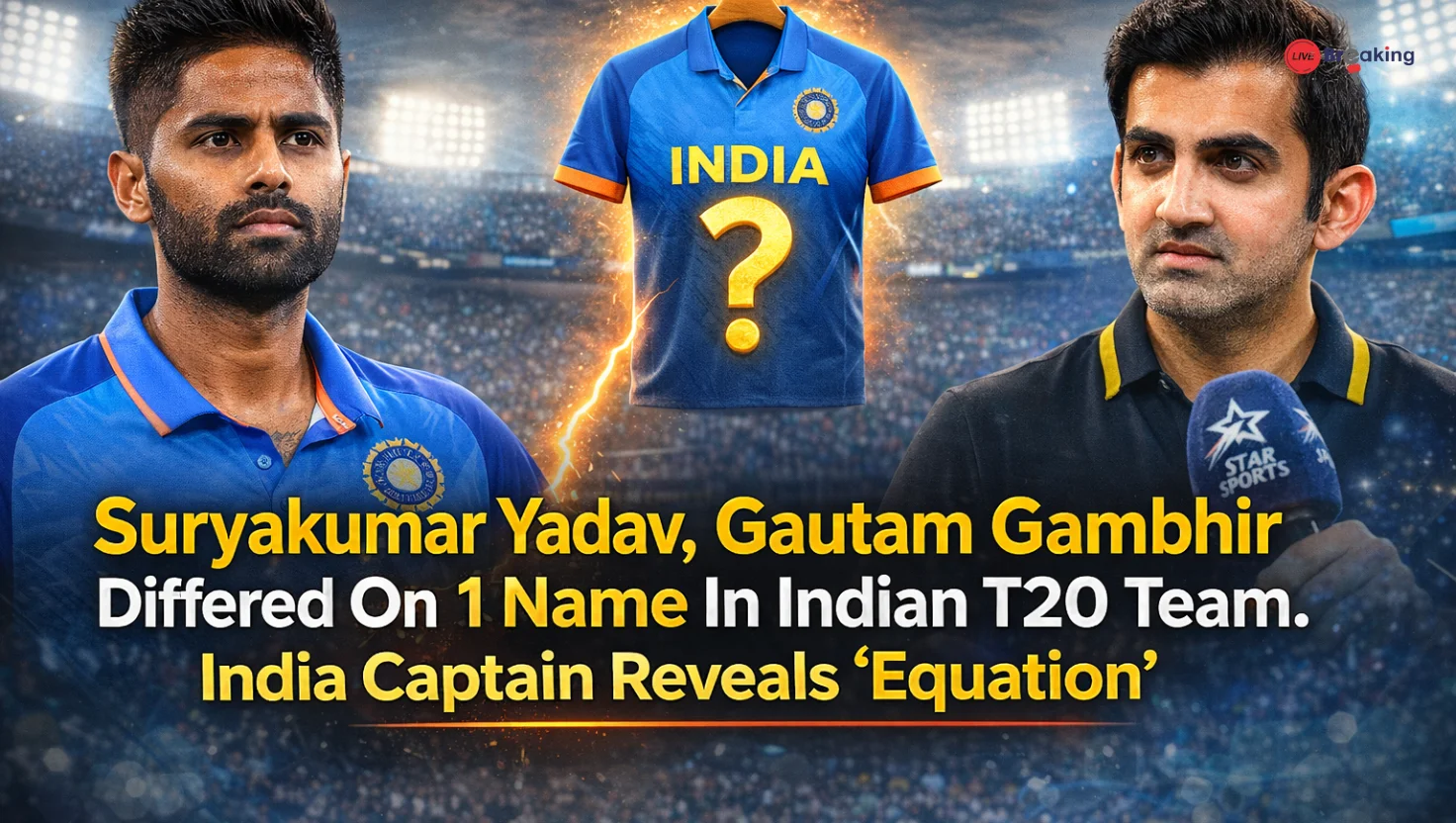
Read more: Suryakumar Yadav Reveals Difference of Opinion With Gautam Gambhir Over Indian T20 Team Selection
Importance of Conditions for 2027
The expected venues for the ODI World Cup 2027 will present unique challenges:
-
Pace-friendly pitches in South Africa
-
Variable bounce across venues
-
Large grounds requiring excellent fielding
This means India will need:
-
Fast bowlers who can exploit bounce
-
Athletic fielders
-
Power hitters capable of clearing big boundaries
The early identification of probables allows the team management to groom players specifically for these conditions.
Role of Domestic Cricket and IPL
The Indian Premier League (IPL) and domestic tournaments like Ranji Trophy and Vijay Hazare Trophy will play a crucial role in shaping the final squad.
Key Focus Areas:
-
Identifying consistent performers
-
Testing players under pressure
-
Evaluating adaptability across formats
The IPL, in particular, offers exposure to international-quality competition, making it a key scouting ground for future stars.
Selection Criteria: What Will Matter Most?
The BCCI is expected to evaluate players based on:
-
Consistency in performance
-
Fitness and injury record
-
Ability to perform in overseas conditions
-
Versatility (batting, bowling, fielding)
-
Mental toughness in high-pressure games
This holistic approach ensures that selections are not just based on stats but also on match impact.
Read More: Delhi To Manchester IndiGo Flight Makes U-Turn After 7 Hours Amid Iran War
Challenges Ahead for Team India
While early planning has its advantages, it also comes with challenges:
-
Injuries and form fluctuations
-
Emergence of new talent disrupting plans
-
Balancing senior experience with youth
-
Maintaining team morale during transitions
The management will need to remain flexible and adaptive despite having a preliminary roadmap.
What This Means for Indian Cricket Fans
For fans, this development offers a glimpse into the future of Indian cricket. It builds anticipation and allows supporters to track the journey of potential World Cup players over the next few years.
It also reflects a more professional and data-driven approach to team building—something that has become essential in modern sports.
FAQs
Q1: Has the BCCI officially confirmed the 2027 World Cup probables list?
No, the list has not been officially confirmed. The report is based on internal planning discussions and early scouting strategies.
Q2: Why is early squad planning important?
It helps in building team chemistry, managing workloads, and preparing players for specific conditions well in advance.
Q3: Will senior players still be part of the 2027 squad?
It depends on their fitness, form, and performance over the next few years.
Q4: Which young players are most likely to feature?
Players like Shubman Gill, Yashasvi Jaiswal, and Mohammed Siraj are strong contenders based on current performance trends.
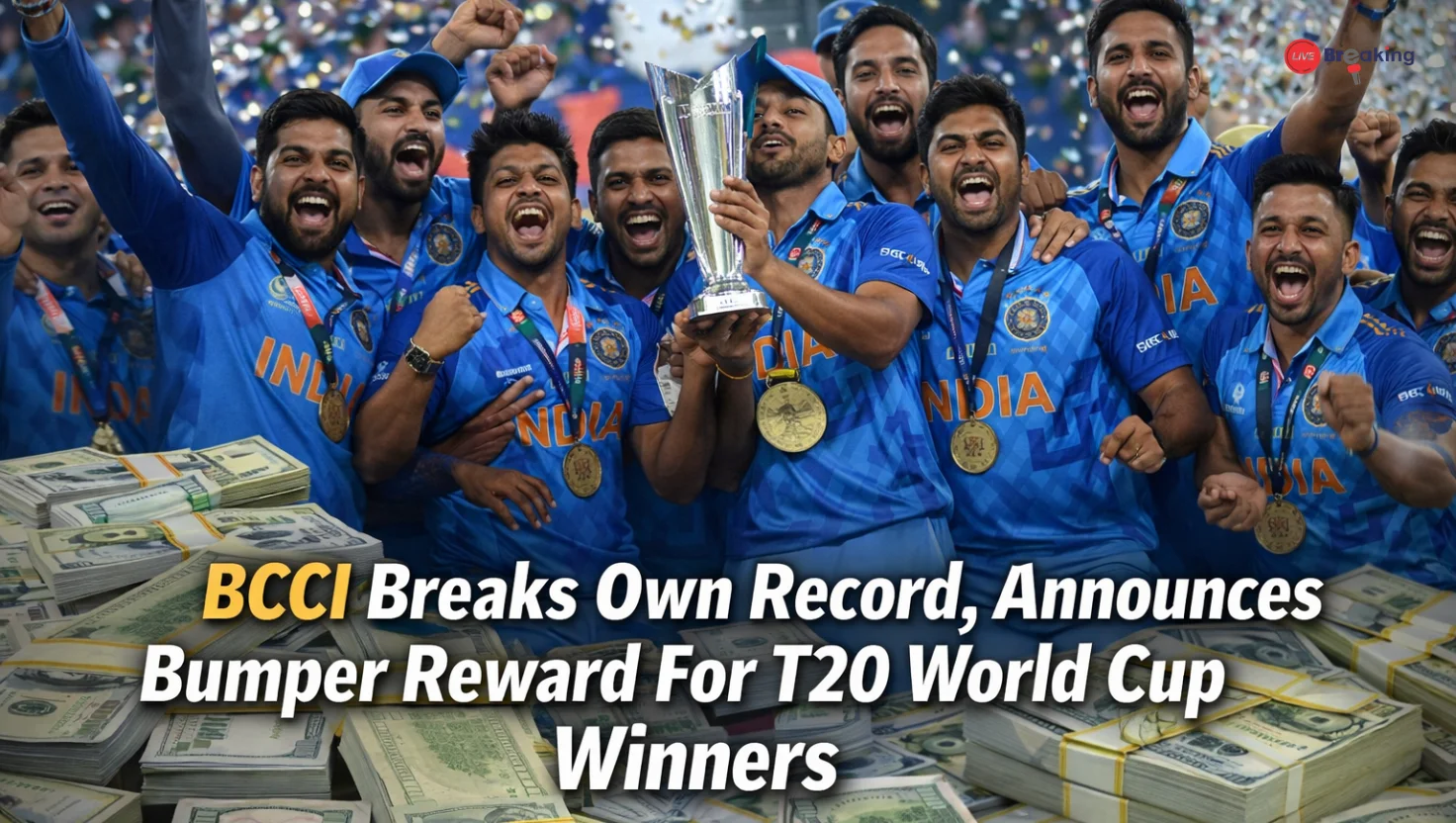
Read more: BCCI Breaks Own Record, Announces Bumper Reward For T20 World Cup Winners
Q5: How does IPL influence World Cup selection?
The IPL provides high-pressure match experience and helps selectors evaluate players against top international talent.
Final Thoughts
The idea that the BCCI is already working on a probable list for the ODI World Cup 2027 reflects a forward-thinking approach. In an era where preparation often determines success, this move could give India a significant edge over its competitors.
However, cricket remains unpredictable. While planning is crucial, adaptability will be the ultimate key. The next few years will reveal whether this early blueprint translates into World Cup glory.