No More 10-Minute Delivery Promise: Labour Ministry To Blinkit, Swiggy
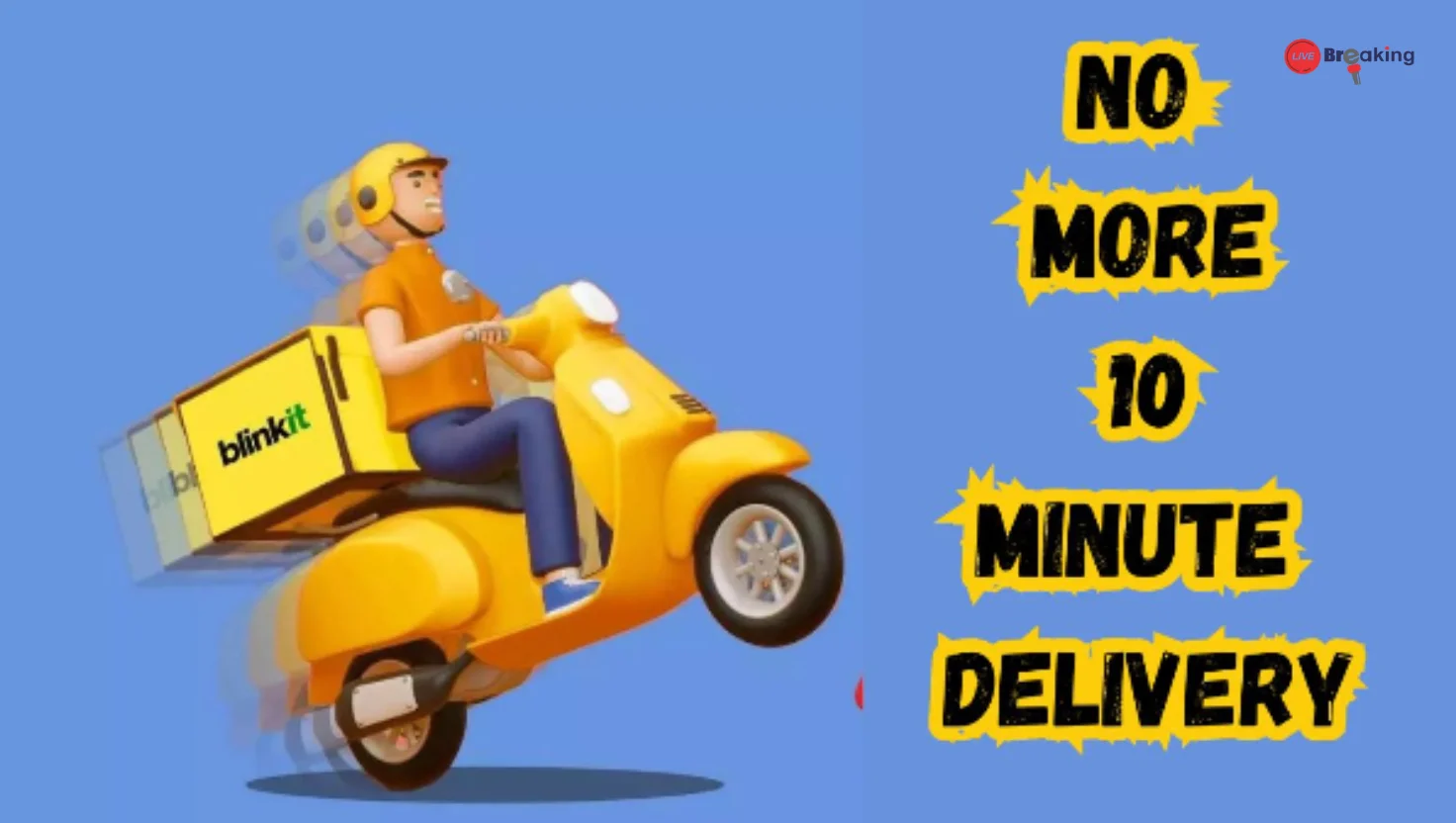
No More 10-Minute Delivery Promise: In a significant development for India’s booming quick-commerce sector, the Union Ministry of Labour has formally told companies like Blinkit and Swiggy to remove claims of delivering goods within 10 minutes. This shift comes as part of a broader push to curb work pressure and improve safety for gig economy delivery workers — a workforce that has been under intense scrutiny for months.
Blinkit has already removed the “10-minute delivery” tagline from its platforms, changing its messaging to more general service descriptions such as “products delivered to your doorstep.” The company’s ultra-fast delivery promise — once an aggressive marketing tool — has quietly been shelved following government intervention.
Why the Move Happened — Worker Safety and Gig Worker Rights
For several months, the issue of worker safety and working conditions in the quick commerce gig sector has been a flashpoint in India. Delivery partners have repeatedly complained that strict delivery deadlines force them to take undue risks on the road, ride long hours without adequate compensation, and face sudden deactivations or penalties by algorithm-driven systems when they miss targets.
The Ministry’s directive reflects mounting pressure from recent strikes and protests by gig workers who demanded safer conditions and sustainable earnings. These protests forced authorities and companies alike to rethink the model that emphasised delivery speed over worker welfare.
Government officials have cited labour concerns and road safety risks as key reasons for pushing platforms to drop the ultra-fast guarantees. The move also aligns with India’s broader implementation of labour codes that extend social security protections to gig workers — a first in Indian labour policy.
Blinkit, Swiggy and Zepto — What Changes Now
Blinkit — one of the most prominent quick-commerce players — was among the first to remove ultra-fast delivery claims from its app, website, and marketing materials following the government’s directives. Industry analysts suggest other platforms such as Zepto and Swiggy may follow suit as regulatory expectations tighten.
Read more: Team Uddhav MP Boasts “Mumbai Can Shut in 10 Mins”; Fadnavis Hits Back Amid BMC Poll Battle
These platforms have agreed to the government’s requests, pledging to discontinue rigid delivery time commitments that could jeopardise the safety of their delivery partners. However, they are not legally barred yet from fast deliveries — rather, it is the marketing and public promise of a 10-minute deadline that has been removed.
What This Means for Customers and Workers
For Consumers
Customers may still receive rapid deliveries in many urban areas — thanks to optimized logistics and “dark store” networks of inventory positioned close to users. However, the fixed promise of 10 minutes is gone. This shift may lead platforms to focus on reliability and safety over speed alone.
For Workers
Delivery partners are likely to experience less pressure to meet exact cut-off times, potentially reducing the risk of road accidents and stress. Coupled with the new labour code reforms that bring gig workers under a formal social security framework, some analysts say this could improve job quality in the sector over time.
However, challenges such as earnings volatility, algorithmic penalties, and lack of full employee-status benefits remain unresolved for many workers — highlighting that the new directive is only one step in broader gig-economy reforms.
Read more: BJP-Congress Alliance in Ambernath: A Rare Political Twist in Maharashtra
The Road Ahead — Regulation or Reinvention?
Industry stakeholders are closely watching how this shift will shape the competitive landscape of quick commerce. Without the marketing edge of a “10-minute guarantee”, companies may have to differentiate on service quality, pricing, and worker welfare initiatives.
Some legal and policy experts suggest further regulations may be introduced to govern algorithmic transparency, minimum earnings, and mandatory safety measures such as insurance and protective gear.