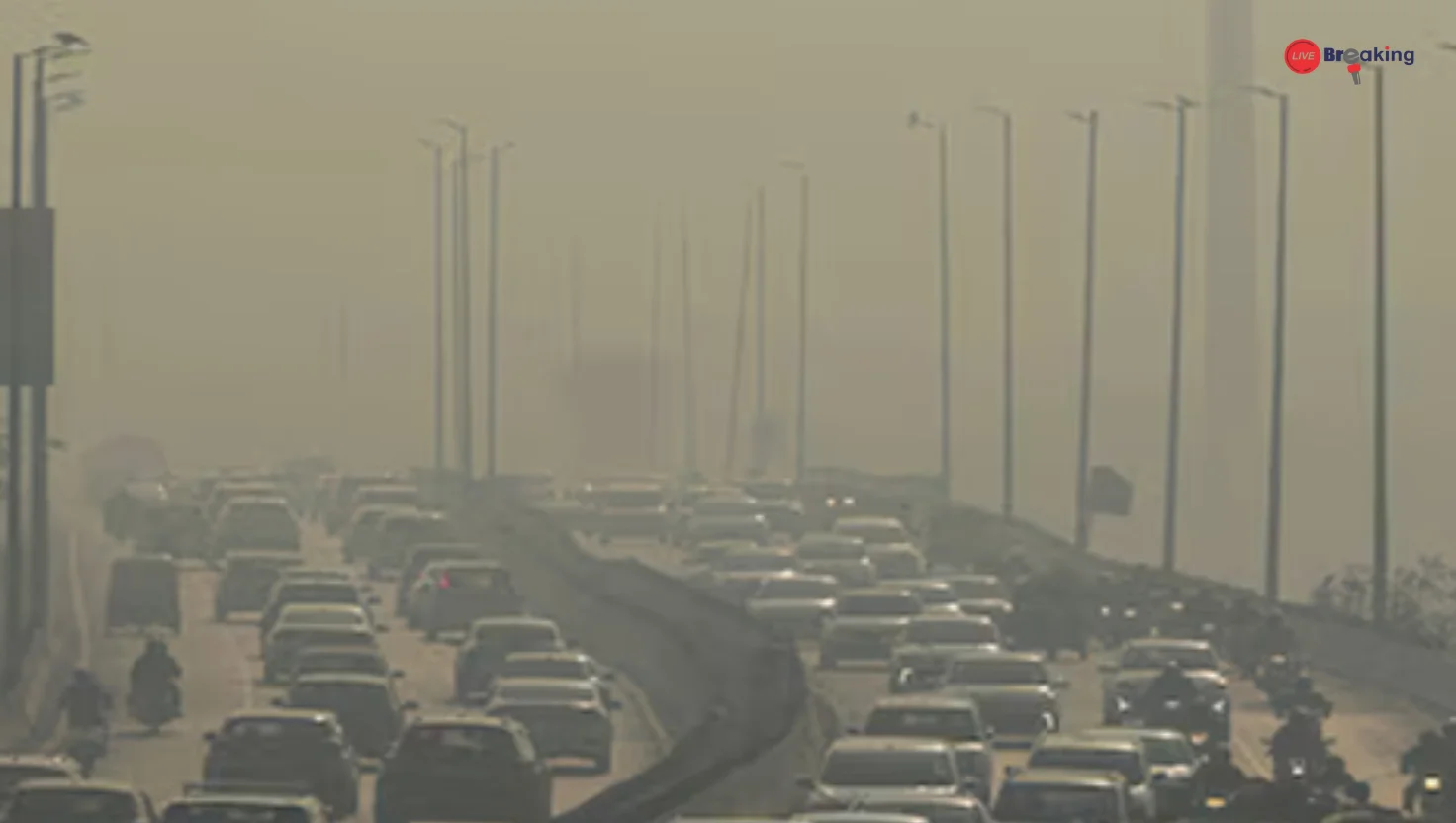
Delhi Pollution Emergency: ‘No PUC, No Fuel’ Rule & Old Cars Ban Takes Effect Today
In a bold move to tackle spiralling air pollution levels, the Delhi government has implemented new and stringent environmental regulations effective from today. Under heightened anti-pollution measures, vehicles without a valid Pollution Under Control (PUC) certificate will be denied fuel, and older and polluting cars will be barred from entering the city borders. These steps come as part of the highest level of the Graded Response Action Plan (Stage IV) and aim to curb vehicular emissions that contribute significantly to hazardous smog in the region.
Why These Rules? Delhi’s Air Quality Crisis
Delhi has been battling severe toxic smog for weeks, with air quality indices hovering in the ‘severe’ or worse categories. Persistent winter smog, vehicle emissions, construction dust and seasonal crop residue burning from neighboring states have combined to push pollution levels to dangerous heights.
As a result, city authorities activated the strictest set of pollution controls under the Graded Response Action Plan (GRAP), a multi-stage protocol designed to reduce emissions as air quality deteriorates.
What’s Changing from Today? Key Measures Explained
1. ‘No PUC, No Fuel’ Comes Into Force
From today, petrol and diesel stations across Delhi will not refuel vehicles that lack a valid PUC certificate—a document proving that a vehicle’s emissions are within permissible limits. Officials have been instructed to enforce this strictly, and automatic number plate recognition systems are being deployed at fuel stations to verify compliance.
This means that even if a driver reaches a petrol pump, they may be refused fuel if their vehicle’s pollution certificate has expired or is missing. This unprecedented step seeks to ensure only clean-running vehicles operate in the capital.
2. Ban on Older & Non-Compliant Vehicles
Another major rule now in effect is that older and polluting vehicles—especially non-BS-VI compliant ones—will not be permitted to enter Delhi from neighboring regions such as Gurugram, Ghaziabad, Noida and Faridabad.
Vehicles failing to meet Bharat Stage VI (BS-VI) emission norms have been identified as major contributors to fine particulate pollution (PM2.5 and PM10). Also, older diesel vehicles beyond a certain age and petrol vehicles over their normative lifespan are being restricted to limit dirty emissions.
Read more: “No Apology”: Prithviraj Chavan Stands Firm on Operation Sindoor Remark
Authorities have deployed hundreds of police personnel and enforcement teams at city entry points to check vehicle compliance and ensure only eligible vehicles enter Delhi.
Additional Anti-Pollution Actions Active Today
Aside from the fuel and vehicle access rules, Delhi is also implementing several other steps:
3. Work-From-Home Mandate for Offices
To reduce commuting and traffic emissions, many offices in Delhi have been asked to operate on a hybrid model, with a significant portion of staff working from home.
4. School & Public Activity Modifications
Some educational institutions have shifted to online classes, especially for younger students, to avoid exposing children to poor outdoor air conditions.
Read more: One Mistake, You’re Dead”: Elon Musk Reveals How Charlie Kirk’s Murder Changed His Life
5. Stricter Enforcement & Fines
Vehicles violating the new rules—without valid PUC certificates or failing emission standards—may face penalties, impoundment or be turned away from city borders. Police and enforcement teams are conducting checks 24×7 across all major entry points.
Public Reaction and Challenges
These moves have drawn mixed reactions. Environmental groups and resident welfare associations have largely welcomed the tough stance, calling it necessary to protect public health during the pollution crisis.
However, some motorists and transport associations have raised concerns about operational hurdles at fuel stations and the legal basis for refusing fuel, given that petrol and diesel are classified as essential commodities. Implementation challenges and infrastructure limitations are flagged as key issues needing urgent resolution.
Read more: 88 Minutes in PMO: Inside Rahul Gandhi Crucial Meeting with PM Modi Over CIC & CVC Appointments
The Road Ahead: Can Delhi Breathe Easier?
Experts say that while short-term measures like ‘No PUC, No Fuel’ and vehicle bans can immediately reduce emissions, long-term solutions—such as cleaner public transport, reduced dependence on private vehicles, and regional cooperation on agricultural burning—are critical for lasting improvements in air quality.
As Delhi pushes its toughest controls yet, residents and commuters will be watching closely to see whether these drastic steps finally yield cleaner, healthier air.