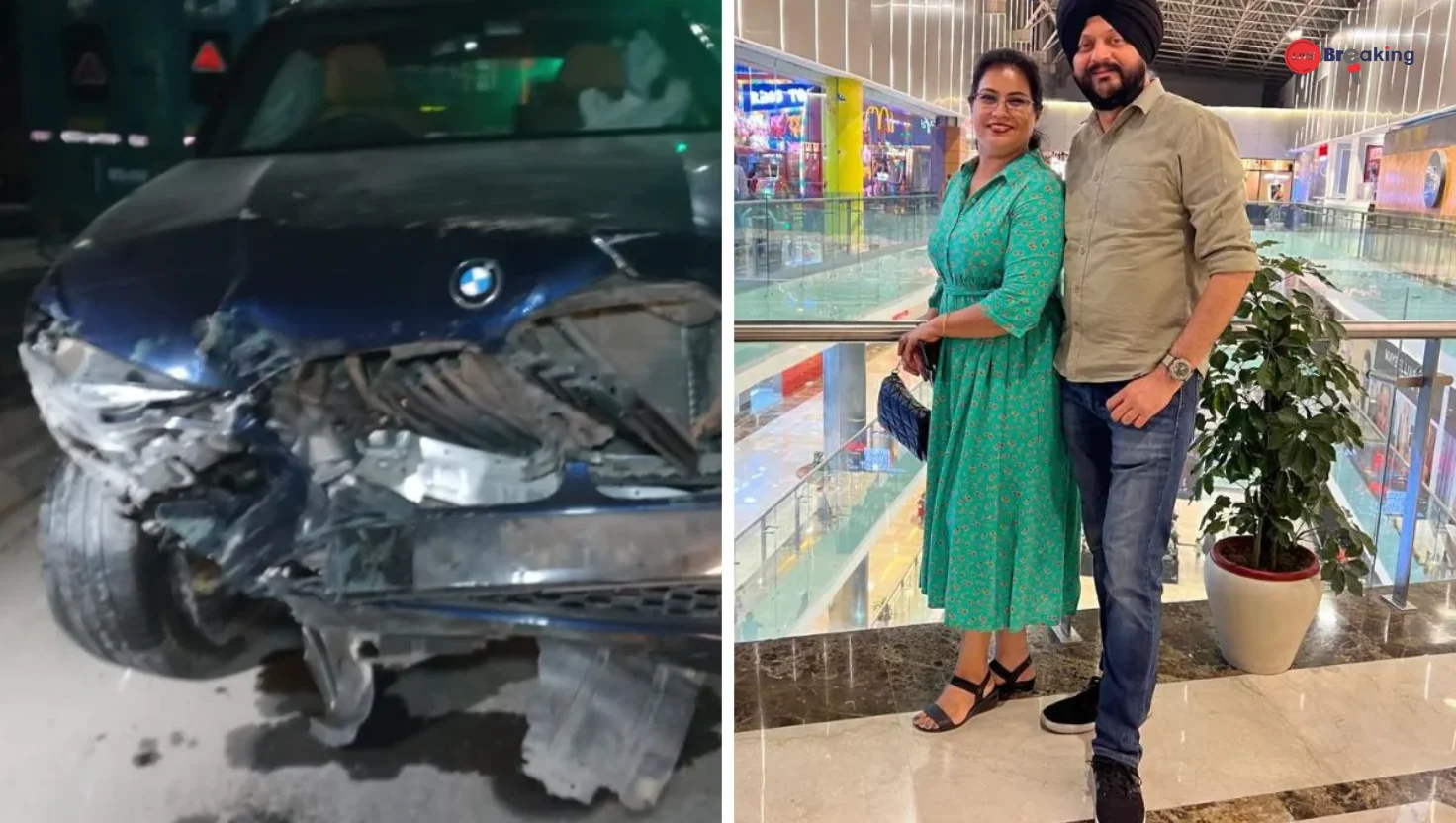
Navjot Singh Death Row: Family Questions Emergency Response After Accident
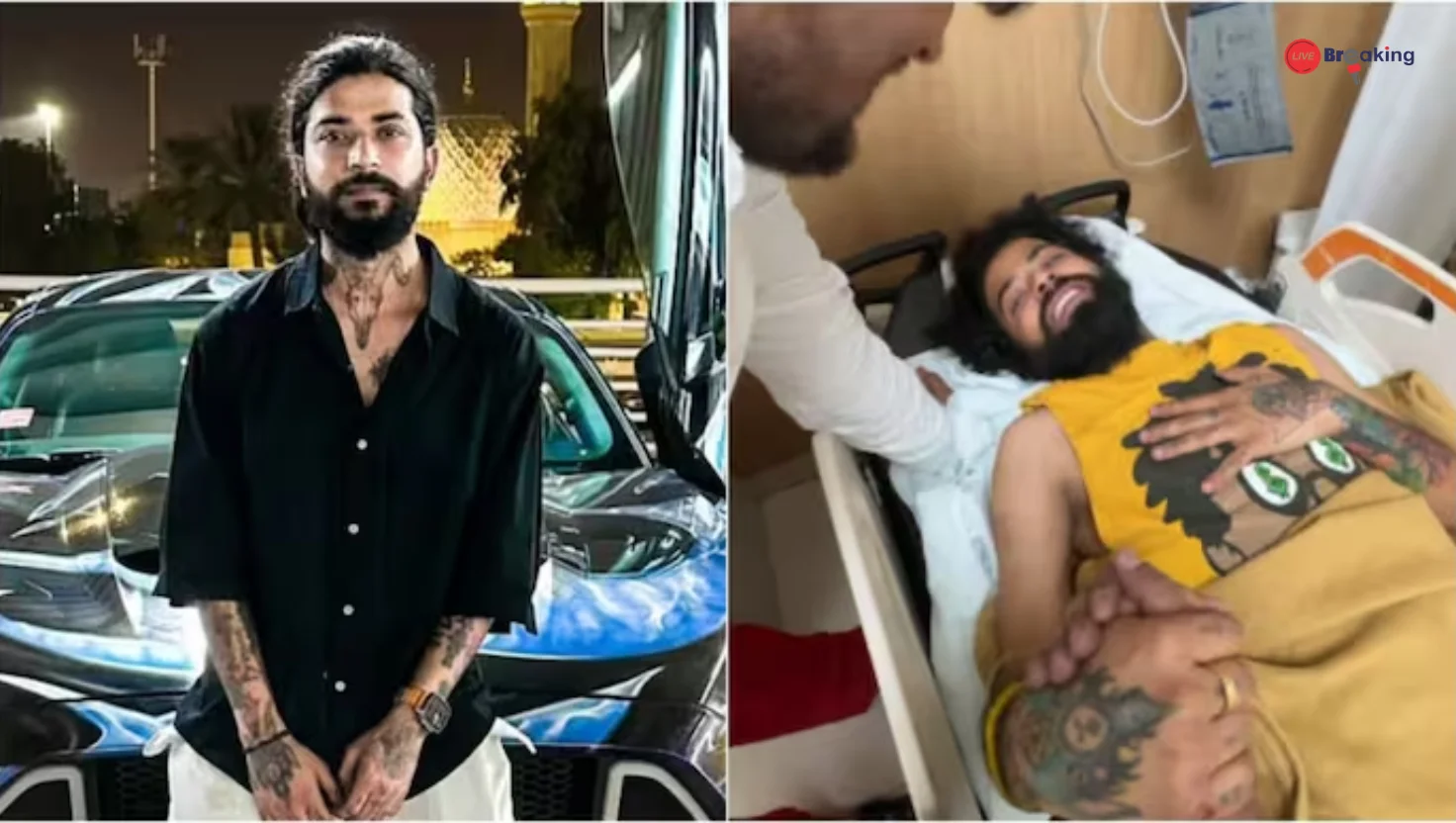
The sudden death of Navjot Singh in a BMW crash has not only shocked his family and friends but has also raised unsettling questions about the emergency response that followed. According to his son, after the collision, Singh was taken to a hospital located nearly 17 kilometers from the crash site instead of being rushed to a medical facility much closer. The decision, the family claims, may have cost him precious time and possibly his life.
The Crash That Claimed a Life
Navjot Singh’s car reportedly lost control and met with a severe accident on a busy road. Eyewitnesses recall the crash being so violent that bystanders rushed in immediately to assist. Within minutes, Singh was taken out of the damaged BMW and transported toward a hospital. But the choice of destination has now become the focal point of his son’s anguished questions.
His family alleges that instead of heading to the nearest hospital, which could have provided immediate first aid, Singh was transported nearly 17 kilometers away. In situations where every second counts, they believe this long detour may have reduced his chances of survival.
The Son’s Anguish
In a statement filled with grief and frustration, Singh’s son has openly questioned why his father was not taken to the closest medical facility. “Why was a hospital so far away chosen when there were nearer options? Could my father have been saved if he received care sooner?” he asked, demanding accountability from authorities and those who managed the emergency response.
The questions are not merely emotional—they highlight a broader issue about how accident victims are handled in critical moments. For families, knowing that everything possible was done to save a loved one is essential for closure. In this case, the family feels they were denied that assurance.
Golden Hour: The Critical Window
Doctors and medical experts often stress the importance of the “golden hour”—the first 60 minutes after a serious injury. This window is considered the most crucial for preventing fatal outcomes, as timely medical care can drastically improve survival rates. Transporting Singh to a hospital 17 kilometers away may have meant a significant portion of this golden hour was lost.
Read more: Why Nepal Banned Social Media — And Why Protests Run Deeper Than That
Emergency care protocols worldwide emphasize taking accident victims to the nearest hospital equipped to handle trauma, rather than one located farther away. Singh’s son is now calling for an inquiry into whether this basic principle was ignored.
Systemic Gaps in Emergency Response
The tragedy sheds light on the larger issues plaguing emergency response in India. Road accidents claim thousands of lives each year, and delayed medical attention remains one of the leading causes of preventable deaths. Ambulance availability, poor coordination, lack of trauma centers, and miscommunication during emergencies often combine to create fatal delays.
If Navjot Singh’s case highlights anything, it is the urgent need to revisit how accident victims are prioritized and where they are taken for immediate treatment. For families, the difference between a nearby hospital and one 17 kilometers away could mean the difference between life and death.
Demand for Accountability
Singh’s son has demanded clarity: who made the decision to take his father so far, and on what grounds? Was it a matter of protocol, availability of facilities, or negligence? These unanswered questions now weigh heavily on the grieving family.
They are not alone in their demand. Road safety advocates argue that such incidents point to systemic negligence that must be addressed. Transparent investigations, they say, are needed to ensure accountability and prevent future tragedies.
Read more: Sushila Karki Or Kulman Ghising? Nepal’s Gen Z Protesters’ Big Choice
A Call for Reform
The heartbreaking case of Navjot Singh should serve as a wake-up call for authorities. Beyond grieving families, it raises pressing concerns for the wider public. If accident victims are not assured of immediate, nearest, and appropriate medical care, lives will continue to be lost unnecessarily.
The demand from Singh’s son is simple yet powerful: answers, accountability, and reforms. Why was a man fighting for his life taken 17 kilometers away instead of to the closest hospital? Until this question is addressed, the tragedy will remain a haunting reminder of how delays in emergency response can cost lives.