Why Attacking Turkey, A NATO Member, Is A High-Risk Bet For Iran
Recent tensions in the Middle East have taken a dangerous turn after a ballistic missile launched from Iran toward Turkish airspace was intercepted by NATO air defence systems. The incident marks the first time the ongoing regional conflict has directly involved a NATO member state, raising serious concerns about escalation.
Turkey, a strategically located country bridging Europe and Asia, is a key member of NATO. Any direct attack on its territory could potentially involve the entire military alliance, making such a move extremely risky for Iran.
In this article, we explore why targeting Turkey could trigger major geopolitical consequences and why analysts consider it a dangerous strategic gamble for Tehran.
Missile Incident That Sparked Global Concern
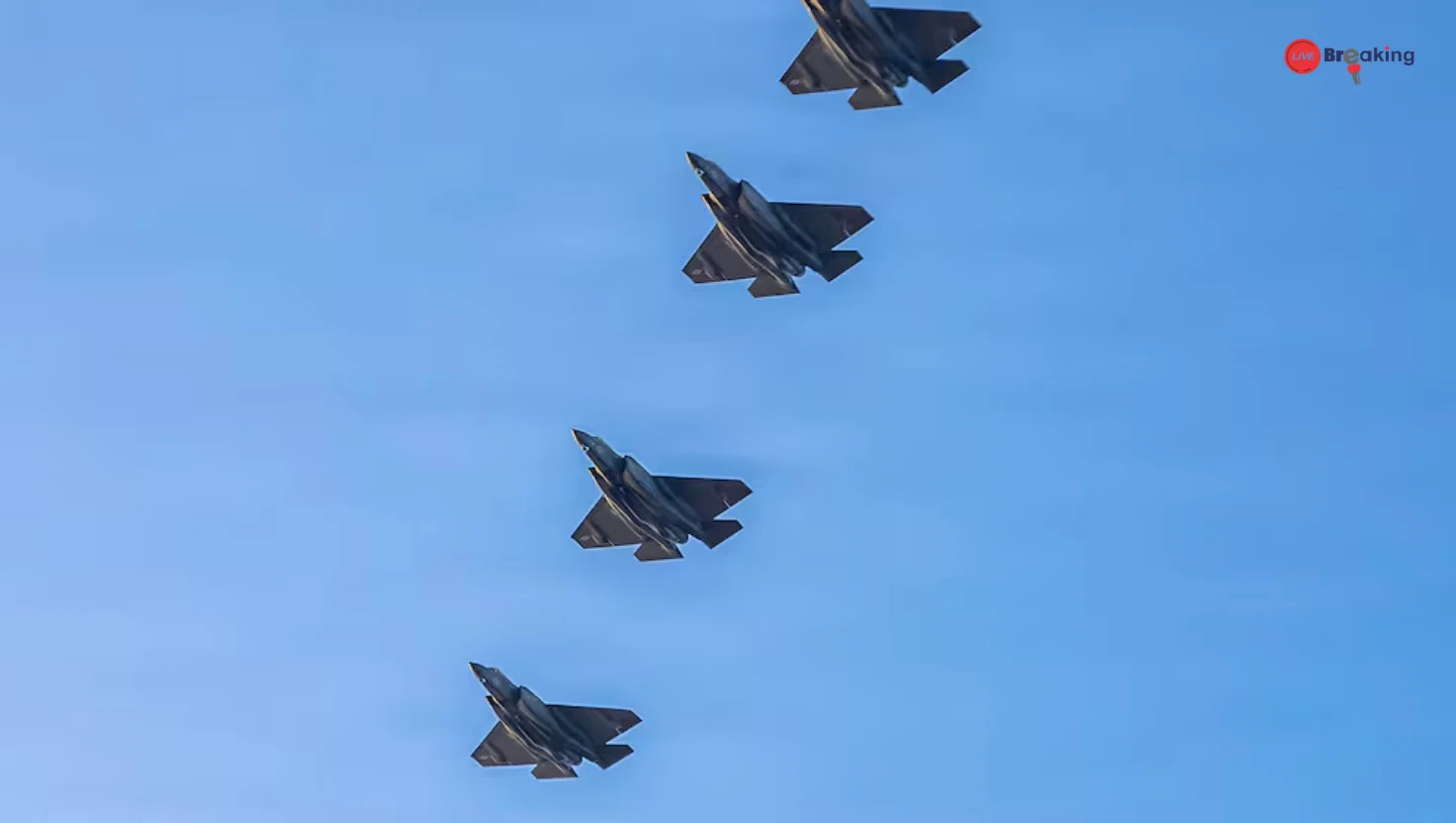
A ballistic missile fired from Iran traveled across Iraqi and Syrian airspace before heading toward Turkey. NATO air and missile defence systems stationed in the eastern Mediterranean intercepted and destroyed the missile before it entered Turkish territory.
Fortunately, there were no casualties or damage reported. However, the incident raised alarm bells in diplomatic and military circles worldwide.
Turkey warned that it reserves the right to respond to hostile actions and urged all parties to avoid escalating the conflict further.
The event highlights the fragile security environment in the region and the potential for a much larger confrontation.
What Makes Turkey So Important?
Turkey occupies one of the most strategic geopolitical positions in the world.
The country shares borders with several conflict-prone regions including Syria, Iraq, Iran, and the Black Sea region. It also hosts important NATO military infrastructure and strategic bases used by Western allies.
Key Strategic Factors
| Factor | Why It Matters |
|---|---|
| NATO Membership | Any attack could trigger collective defence |
| Strategic Location | Gateway between Europe, Asia, and the Middle East |
| Military Strength | One of NATO’s largest armies |
| NATO Bases | Hosts critical Western military installations |
| Regional Influence | Major diplomatic and military power |
Because of these factors, attacking Turkey is not just about confronting one nation—it risks confronting a powerful alliance.
NATO’s Collective Defence Rule
One of the biggest risks for Iran is NATO’s Article 5, the alliance’s collective defence clause.
What Article 5 Means
If a NATO member is attacked, all other member countries can treat it as an attack on the entire alliance.
This means countries like:
-
United States
-
United Kingdom
-
France
-
Germany
-
Italy
-
Canada
could potentially become involved in a military response.
Analysts warn that such a scenario would dramatically raise the strategic cost for Iran.
Instead of a regional conflict, the situation could escalate into a major international confrontation.
Turkey’s Strong Military Capabilities
Another reason attacking Turkey is risky is the country’s significant military power.
Turkey has one of the largest armed forces in NATO and possesses advanced air defence systems, drones, missiles, and naval assets. It has also invested heavily in indigenous defence technologies.
For example, Turkey is developing a multi-layered air defence system known as the “Steel Dome”, designed to detect and intercept aerial threats including missiles and drones.
Combined with NATO support, these capabilities make Turkey extremely difficult to attack successfully.
The Wider Regional Impact
An attack on Turkey could destabilize the entire Middle East and beyond.
Possible Consequences
-
Expansion of the conflict
NATO involvement could widen the war across multiple regions. -
Energy supply disruptions
The Middle East controls a large portion of global oil and gas supply. -
Global economic shock
Shipping routes and financial markets could be severely affected. -
Refugee crisis
Turkey already hosts millions of refugees and could face another humanitarian surge. -
Regional alliances shifting
Countries may be forced to choose sides.
This makes the situation extremely sensitive for global security.
Turkey’s Balanced Diplomatic Strategy
Despite tensions, Turkey has attempted to maintain a balanced approach toward the conflict.
The country has economic ties with Iran and has historically tried to mediate between rival powers in the region. Turkish officials have repeatedly called for diplomacy and warned against escalation that could destabilize the region.
This diplomatic stance makes direct conflict between the two nations unlikely, though accidental escalation remains possible.
Why Iran May Avoid Direct Conflict With Turkey
Experts believe Iran is aware of the consequences of confronting a NATO member.
Several reasons explain why Tehran may avoid such a move:
-
Risk of NATO military retaliation
-
Turkey’s strong armed forces
-
Possible economic sanctions
-
International isolation
-
Risk of a multi-front war
In contrast, Iran often prefers indirect strategies, including proxy groups and regional allies, rather than direct confrontation with major military powers.
What Happens Next?
The missile interception has already heightened tensions in the region. While Turkey has not formally invoked NATO’s collective defence clause, the incident serves as a warning of how quickly regional conflicts can escalate.
If further incidents occur, NATO may increase military surveillance, air defence deployments, and diplomatic pressure.
The situation remains fluid, and the coming weeks could determine whether tensions cool down or intensify.
FAQs
Why is Turkey important to NATO?
Turkey is strategically located between Europe and the Middle East and hosts key NATO military infrastructure. It also has one of the largest armies in the alliance.
What happens if a NATO country is attacked?
Under NATO’s Article 5, an attack on one member can trigger collective defence, meaning other NATO members may respond militarily.
Did Iran actually hit Turkey?
No. A ballistic missile fired from Iran toward Turkish airspace was intercepted and destroyed by NATO air defence systems before it reached Turkey.
Why would attacking Turkey be risky for Iran?
Because it could trigger NATO involvement, escalate into a global conflict, and lead to severe military and economic consequences.
Are Turkey and Iran enemies?
Not exactly. While they compete for influence in the region, they also maintain economic ties and diplomatic relations.
Conclusion
The missile incident involving Iran and Turkey highlights how fragile the Middle East security environment has become. While no damage occurred, the episode demonstrated how easily a regional conflict could draw in global powers.
Because Turkey is a NATO member with strong military capabilities and strategic importance, attacking it would be an extremely risky move for Iran—one that could potentially ignite a much larger international conflict.
For now, diplomacy and restraint remain the best options to prevent further escalation.